House passes farm bill after pesticide fight stripped out, Senate ahead
Luna’s amendment stripped pesticide liability language from the farm bill, exposing a bigger GOP split as the measure heads to a Senate fight.
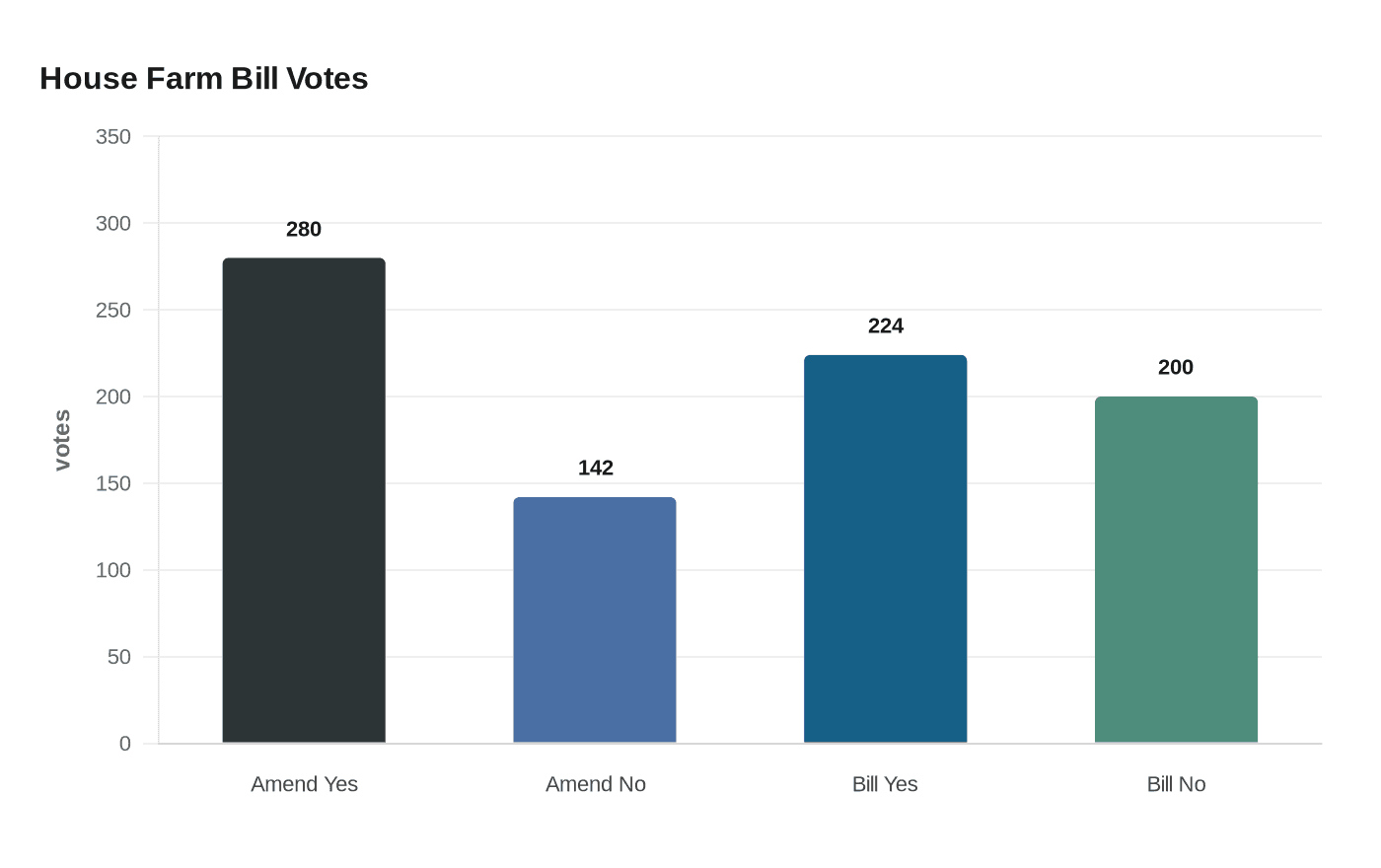
The House farm bill survived its most divisive fight only after lawmakers cut out the pesticide language that had become a flashpoint for the Make America Healthy Again movement. Rep. Anna Paulina Luna forced the change with an amendment that passed 280-142, stripping section 10205 on uniform pesticide labeling, along with sections 10206 and 10207 on state authority and lawful use.
That cut helped clear H.R. 7567, the Farm, Food, and National Security Act of 2026, which passed 224-200 with 14 Democrats joining Republicans. The bill would reauthorize USDA farm bill authorities through fiscal year 2031 and became the furthest a new farm bill has advanced since the 2018 law. But the hard part is now shifting to the Senate, where passage remains uncertain and Agriculture Committee Chairman John Boozman said his panel would release its own text in the coming weeks.

The pesticide fight mattered because it exposed a deeper coalition battle inside the modern GOP. Supporters of the stripped language said it would have preserved the Environmental Protection Agency’s role while creating uniform federal labeling rules and limiting some liability exposure for manufacturers. Critics, including anti-pesticide advocates and MAHA-aligned Republicans, saw it as a shield for chemical companies. Congressional Research Service material notes that FIFRA already leaves room for some state regulation and some tort claims, even as preemption questions remain contested.
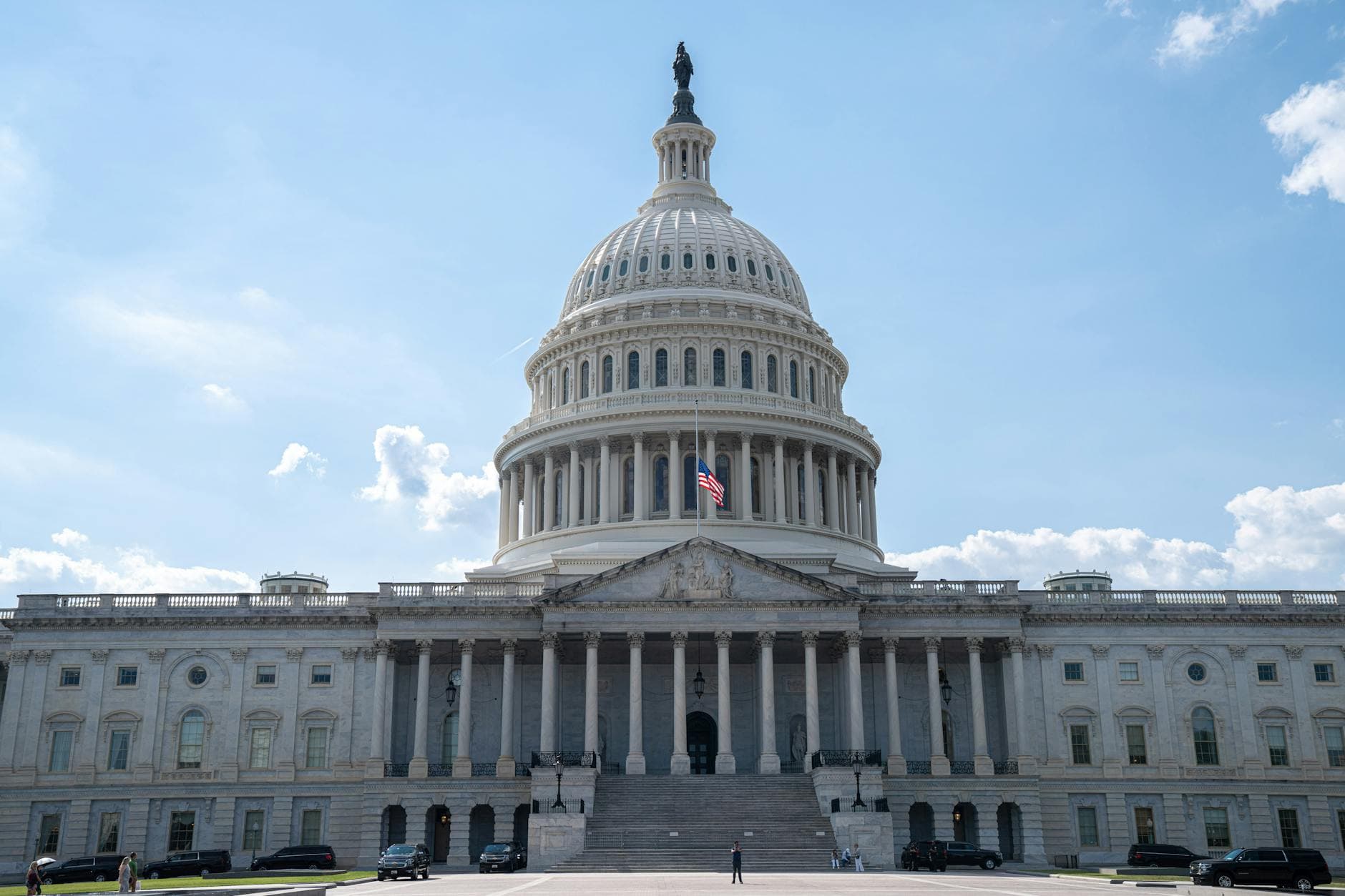
The House action followed months of work on the measure. The House Agriculture Committee released the bill on February 13, 2026, and leaders held a full committee markup on March 4 and 5. House committee materials said the package drew support from more than 500 stakeholder organizations, a sign that farm groups wanted a reset after years of delay.

That delay has been significant. The 2018 farm bill expired on September 30, 2023, and Congress later passed a one-year extension in November 2023. The new House package keeps much of the existing framework while preserving food stamp cuts enacted earlier in Donald Trump’s tax-and-spending law, a provision Democrats and anti-hunger groups say does little to address rising food prices or the financial strain on smaller farmers.
Farm leaders still pushed for the bill because they want policy stability as fuel and fertilizer costs stay high, pressures that have sharpened during the U.S. war in Iran. Another Republican priority, year-round sales of the E15 gasoline blend, did not make the final package. The House is expected to take up a separate E15 vote on May 13, leaving the Senate to decide whether the rest of the bill can advance or stall yet again.
This article was produced by Prism’s automated news system from verified source data, official records, and press releases, then run through automated quality and moderation checks before publishing. The system is built and supervised by the people who set the standards it runs under. Read our full AI policy.
Did this article answer your question?

