Supreme Court weakens Voting Rights Act in Louisiana redistricting ruling
The court erased Louisiana’s second majority-Black district, shifting leverage to mapmakers and making future challenges to minority voting power harder.
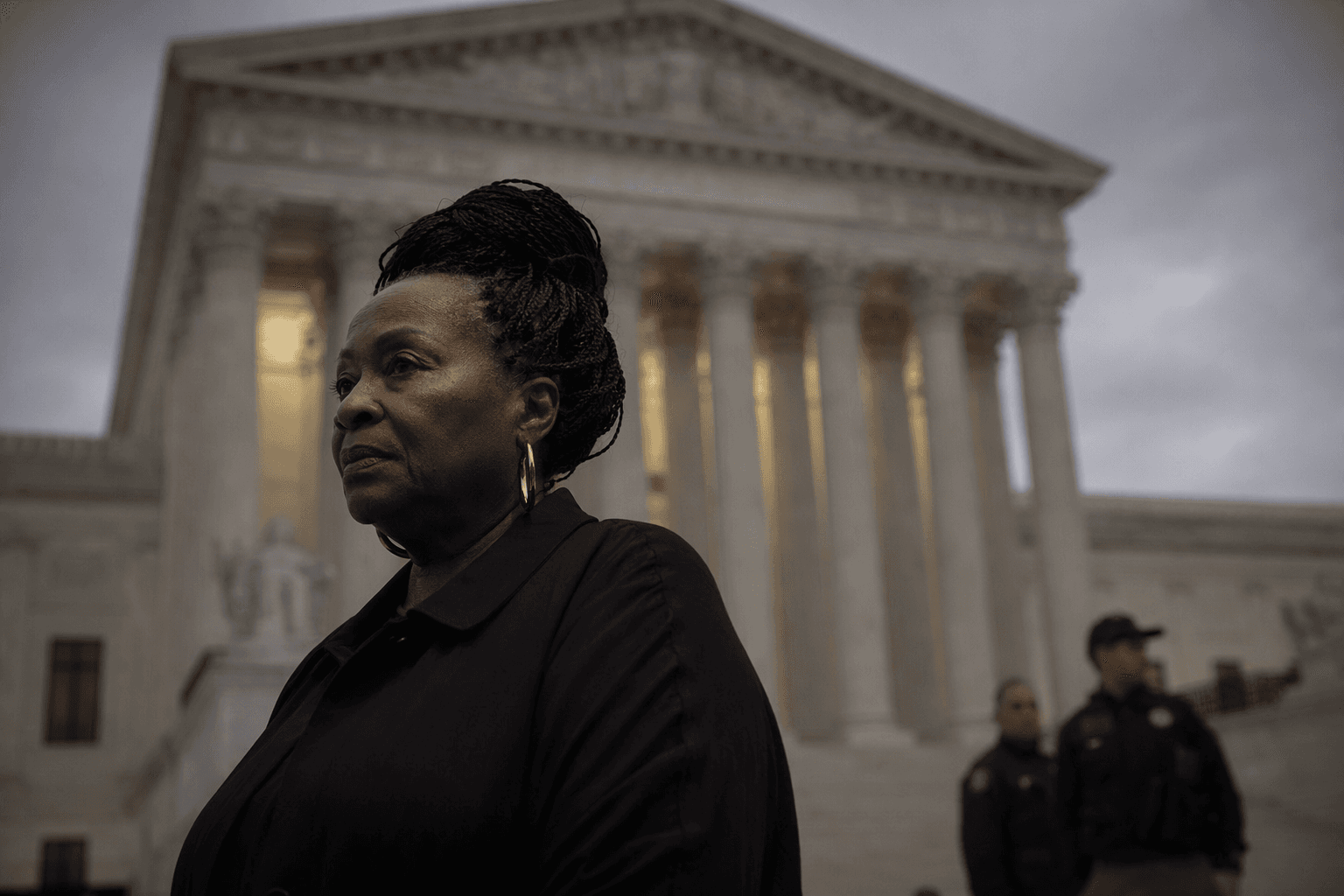
The Supreme Court handed state mapmakers new leverage over how far they must go to protect minority voting power, striking down Louisiana’s congressional map and its second majority-Black district in a 6-3 ruling that narrowed the practical force of the Voting Rights Act.
In Louisiana v. Callais, Justice Samuel Alito wrote the majority opinion on April 29, 2026. The court’s decision ended the map that Louisiana adopted after a federal judge said the state’s 2022 congressional plan likely violated Section 2 because it failed to include an additional majority-Black district. That earlier ruling pushed Louisiana to redraw its lines. The new map, built to address the Section 2 finding, was then attacked as a racial gerrymander.
The practical effect is likely to reach far beyond Louisiana. State legislators and redistricting lawyers across the country now have more room to argue that drawing districts to satisfy Section 2 can itself invite constitutional risk. Civil rights advocates, meanwhile, face a harder path when they try to force additional minority-opportunity districts in states where voting is still sharply polarized by race. News coverage of the ruling said the biggest effects may not show up fully until 2028, since many filing deadlines for the 2026 congressional cycle have already passed.
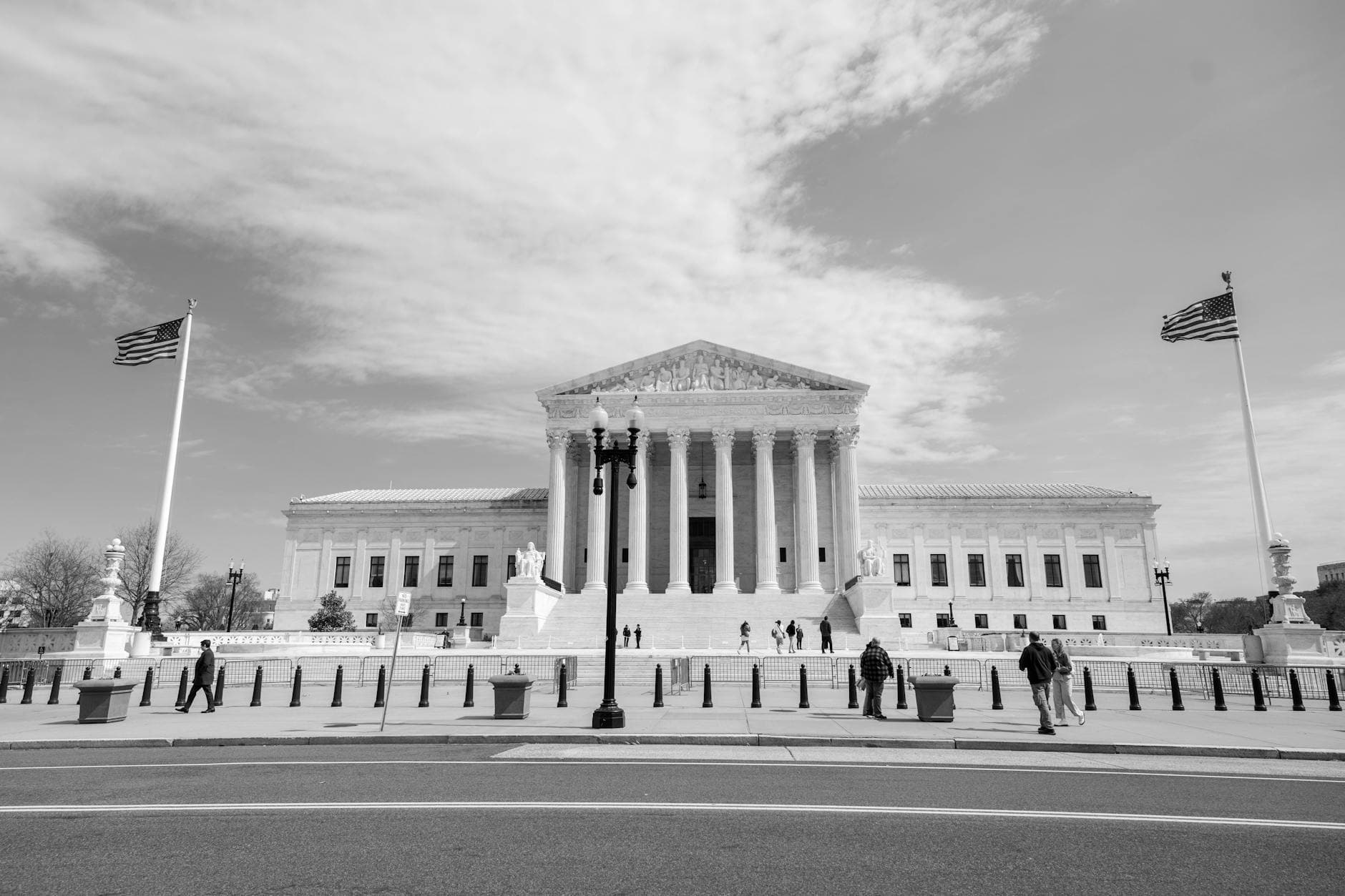
The case lands at a sensitive moment for the Voting Rights Act itself. President Lyndon B. Johnson signed the law on August 6, 1965, and its 60th anniversary came in 2025. Congress has amended the statute five times. The Supreme Court upheld the law’s preclearance framework in South Carolina v. Katzenbach in 1966, then narrowed it dramatically in Shelby County v. Holder in 2013 by invalidating the coverage formula that had required some states with histories of discrimination to seek federal approval before changing voting rules. Louisiana v. Callais now weakens the remaining protections that have survived those earlier fights.
Civil rights organizations said the ruling threatens minority representation and Black political power. The NAACP called it “a devastating blow to what remains of the Voting Rights Act,” while the NAACP Legal Defense Fund said the court “eviscerated Section 2.” The Leadership Conference on Civil and Human Rights called the ruling a defining moment for democracy. The fight over who can draw the lines, and whose communities get a real chance to elect candidates of choice, is now entering another national round.
Sources:
Know something we missed? Have a correction or additional information?
Submit a Tip