House passes Sunshine Protection Act to make daylight saving time permanent
The House voted 308-117 to lock the country on daylight saving time, reviving a fight that stalled in the Senate in 2022.

The House voted 308-117 on Tuesday to make daylight saving time permanent nationwide, sending the Sunshine Protection Act to the Senate and putting the bill one step closer to ending the twice-yearly switch between “springing forward” and “falling back.” Rep. Vern Buchanan, R-Fla., introduced the measure, and President Donald Trump has backed it, but it still needs Senate approval and Trump’s signature to become law.
The House Rules Committee advanced the bill on Monday, and the full chamber’s vote followed a 48-1 endorsement from the House Energy and Commerce Committee in May. The Senate unanimously passed a similar bill in March 2022, but the House never took it up. Buchanan says nearly 20 states have already enacted laws or passed resolutions backing permanent daylight saving time if Congress gives permission, and Florida passed bipartisan legislation in 2018 to adopt the change once federal law allows it.
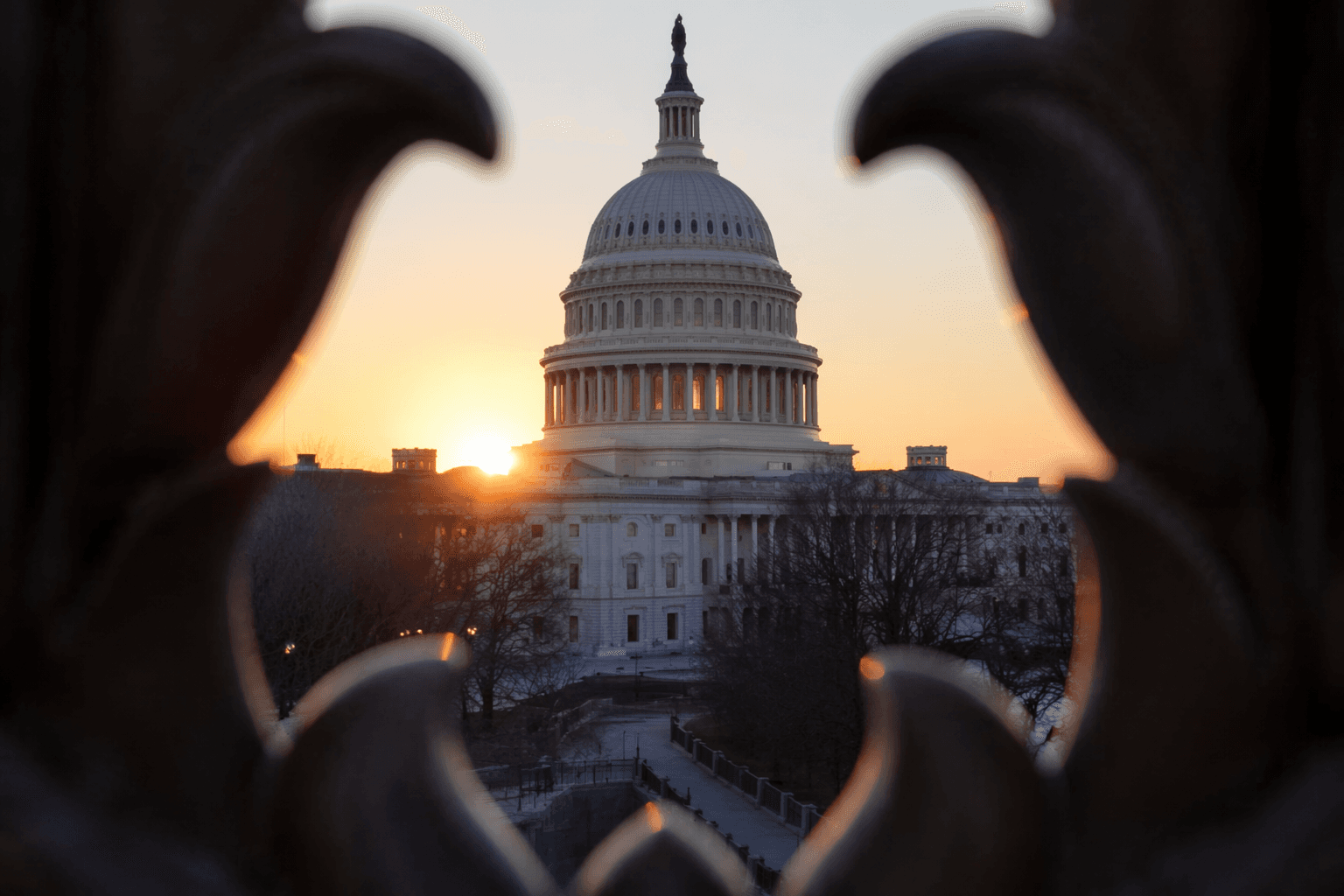
A permanent clock change would spare families, commuters and employers the disruption of twice-yearly time shifts and could improve sleep schedules, energy conservation, motor vehicle safety and the economy. The bill would create a national standard and give businesses more predictable routines across state lines.
Sleep medicine specialists have pushed in the opposite direction. The American Academy of Sleep Medicine says the United States should end seasonal time changes in favor of permanent standard time, not permanent daylight saving time, because standard time aligns better with human circadian biology. The academy warns that year-round daylight saving time would delay morning light, a concern it says would hit children and adolescents hardest on dark winter mornings. Research links the spring change to disrupted sleep and higher accident risk.
This article was produced by Prism’s automated news system from verified source data, official records, and press releases, then run through automated quality and moderation checks before publishing. The system is built and supervised by the people who set the standards it runs under. Read our full AI policy.
Did this article answer your question?