House passes symbolic war powers measure to curb Trump on Iran
The House split 215-208 to curb Trump’s Iran war powers, but the measure is symbolic unless the Senate acts and the president signs.
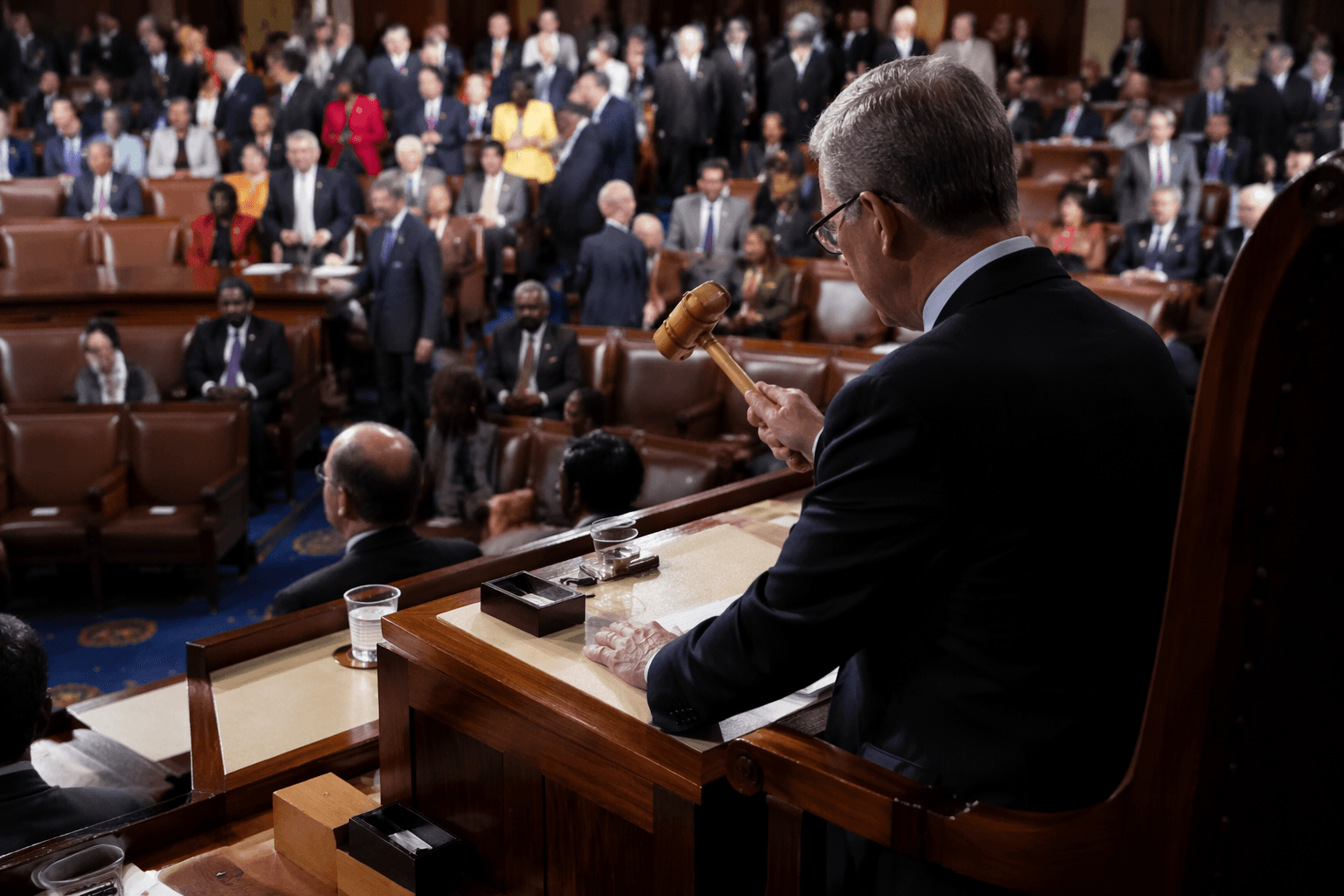
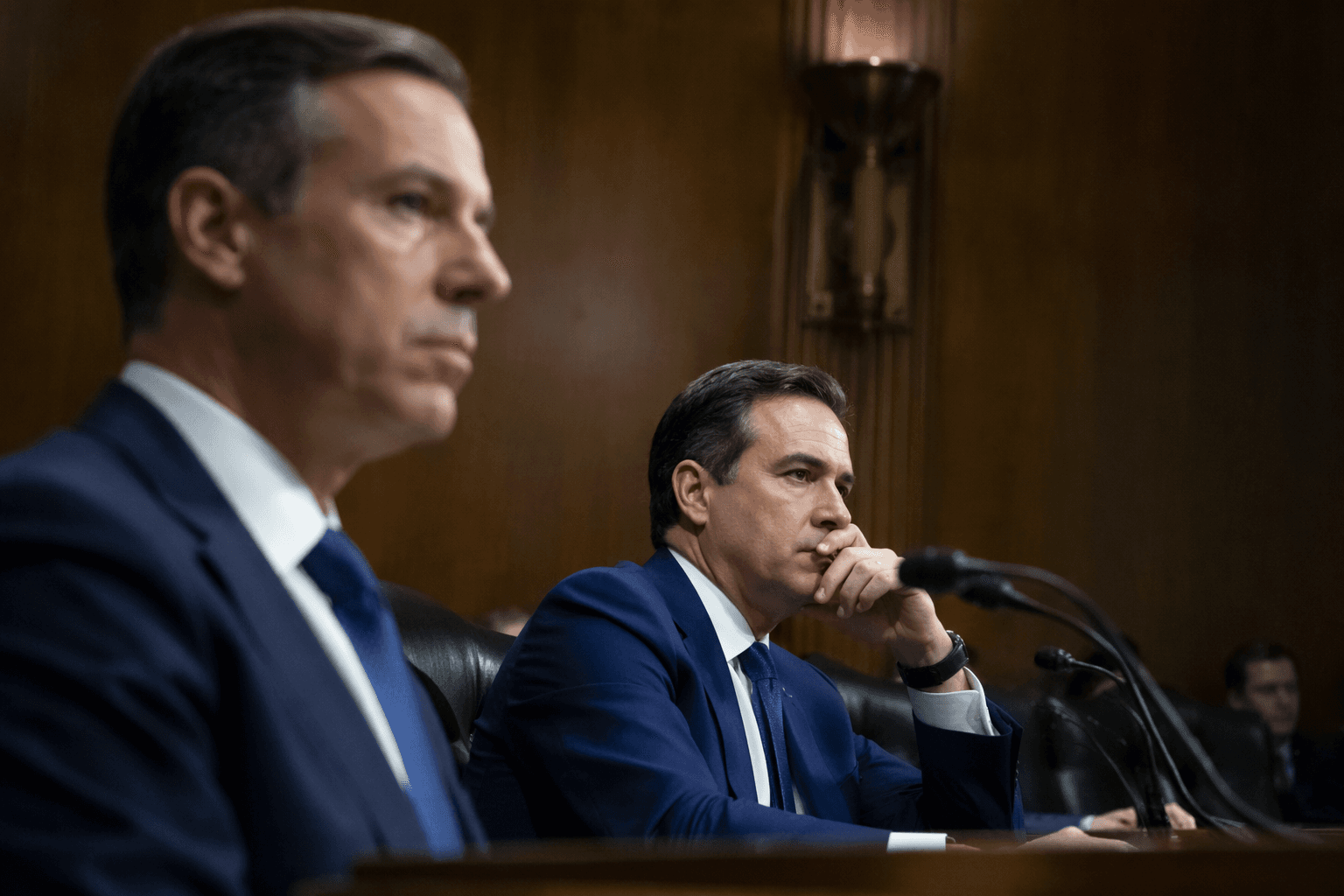
The Republican-led House voted 215-208 to approve a war powers resolution aimed at forcing President Donald Trump to pull U.S. troops from Iran unless Congress declares war or authorizes military force, marking the first time the chamber has backed an effort to curb his authority in the conflict. Four Republicans, Tom Barrett of Michigan, Warren Davidson of Ohio, Brian Fitzpatrick of Pennsylvania and Thomas Massie of Kentucky, joined Democrats. Jared Golden of Maine, who had opposed three earlier failed attempts, voted yes, giving Democrats unanimous support and helping the measure clear the House after leaders had earlier delayed a planned vote when they saw it might pass.
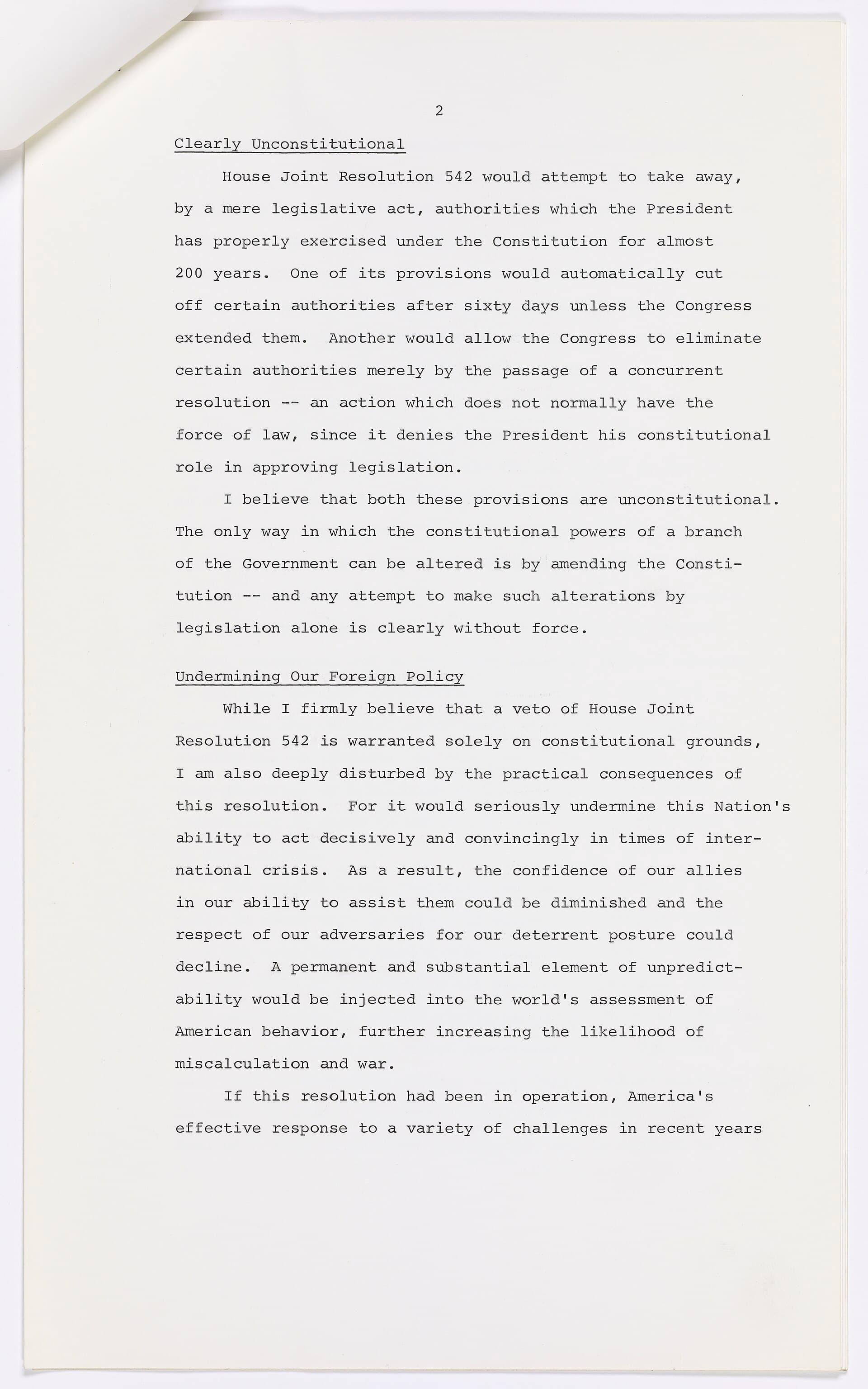
The vote carried more political weight than legal force. Even if the Senate follows suit, Trump would still have to sign the resolution, and a veto would almost certainly stop it. The White House has also argued that the War Powers Resolution of 1973 is unconstitutional, a position that has not been tested in court. That constitutional fight sits at the center of the broader dispute: lawmakers are not just debating Iran, but how far Congress can go in reclaiming war powers once a president has already launched military action.
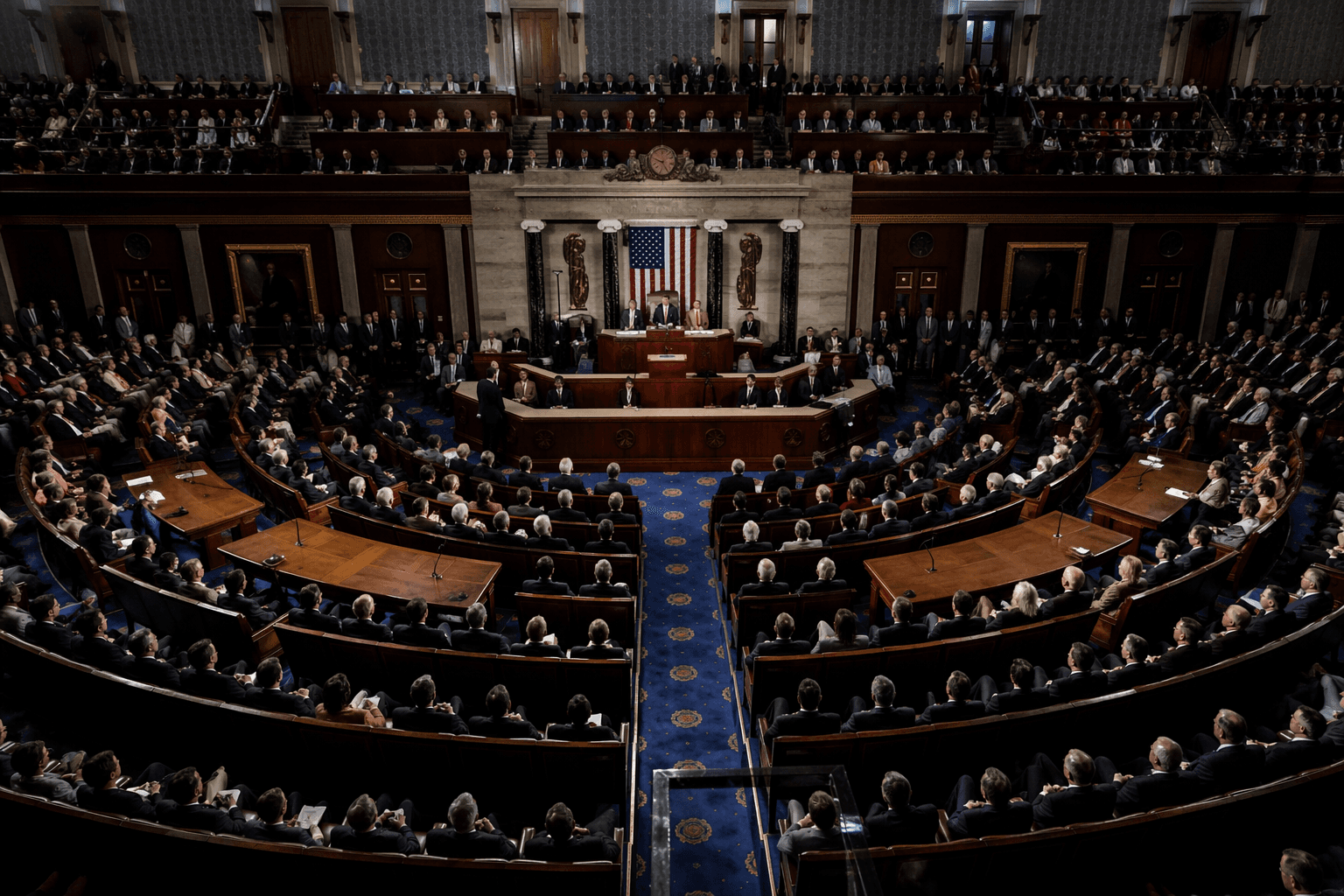
The conflict itself has already outlasted the statutory 60-day deadline, which passed on May 1. Trump announced “major combat operations” against Iran on February 28 after massive U.S.-Israeli strikes on military, government and infrastructure sites, and the war is now in its fourth month. The administration says a fragile ceasefire in early April stopped the clock, but attacks have continued on both sides. The House had rejected three earlier war powers resolutions, while Senate Democrats last month pushed a similar measure through a procedural vote for the first time after seven failed attempts, though no final Senate vote has been scheduled.

The split also exposed the political strain inside Trump’s own party. Speaker Mike Johnson defended the president, saying Iran had “declared war on us 47 years ago” and arguing that Trump was acting to protect Americans. Democrats erupted in applause after the House vote, but Trump struck back on Thursday, calling it a “meaningless vote,” branding supporters “grandstanders” and saying the Republicans who crossed over were “unpatriotic.” He said they were interfering “right in the middle” of his final negotiations to end the war with the Islamic Republic of Iran and should be ashamed of themselves.
For now, the House action is a rebuke, not a restraint. Still, after more than 90 days of conflict, renewed strikes in the Persian Gulf and rising warnings about economic fallout, the vote showed that some Republicans are no longer willing to give the president a blank check as the war threatens their party’s standing heading into the November midterms.
This article was produced by Prism’s automated news system from verified source data, official records, and press releases, then run through automated quality and moderation checks before publishing. The system is built and supervised by the people who set the standards it runs under. Read our full AI policy.
Know something we missed? Have a correction or additional information?
Submit a Tip