House passes war powers resolution in symbolic rebuke of Iran war
The House voted 215-208 to rebuke the Iran war, but the measure is mostly symbolic and now faces a Senate path that could end in a veto.
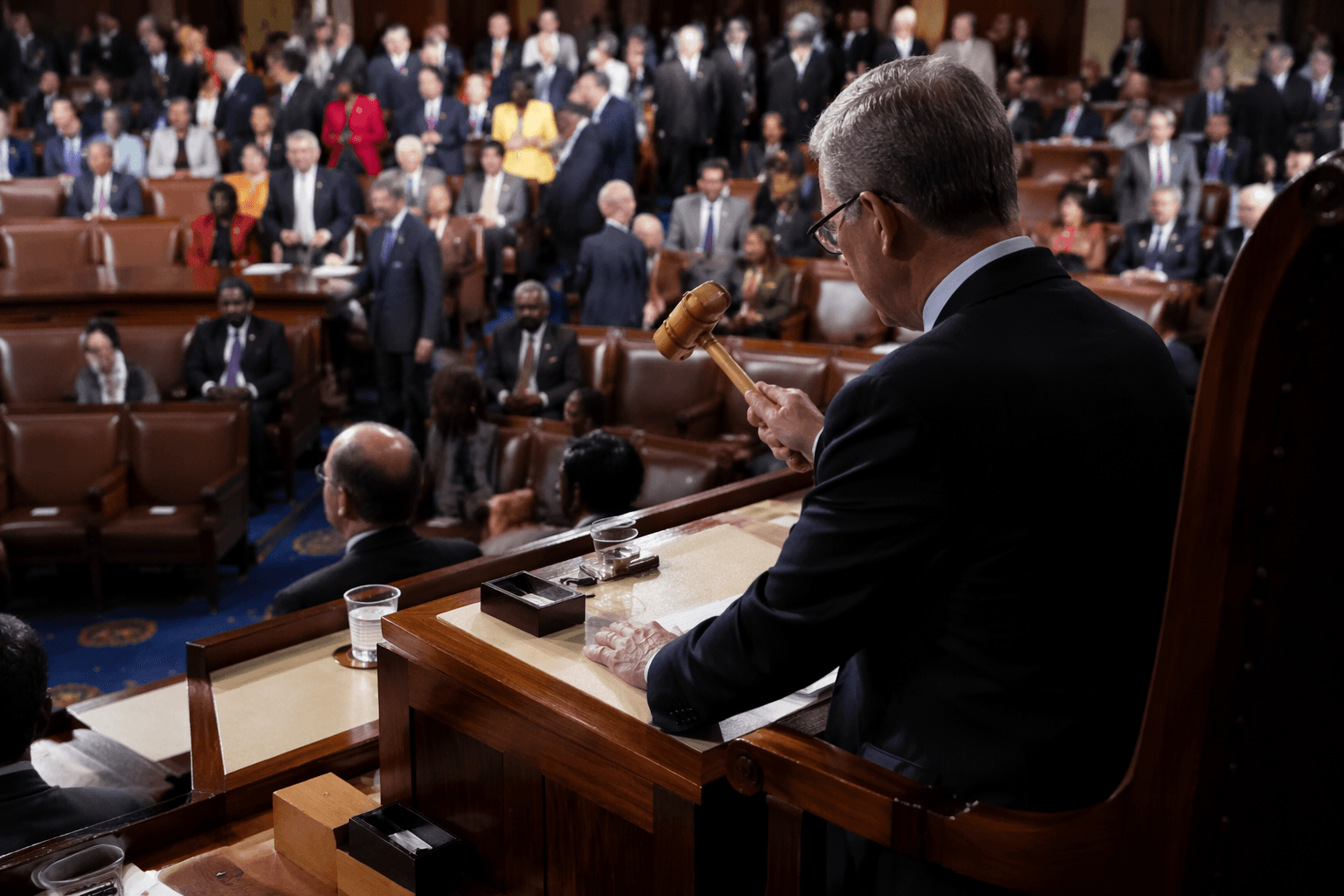
The House voted 215-208 to rebuke the Iran war, a narrow split that exposed cracks inside the Republican Party even as it left the conflict unchanged. Four Republicans joined Democrats in backing the war powers resolution: Thomas Massie of Kentucky, Brian Fitzpatrick of Pennsylvania, Tom Barrett of Michigan and Warren Davidson of Ohio.
The vote was the first time the House approved such a measure this year and the fourth attempt by lawmakers to curb U.S. military action against Iran. It does not immediately end the war. Instead, it sends the issue to the Senate, where any final measure would still face a veto if it reaches President Donald Trump.
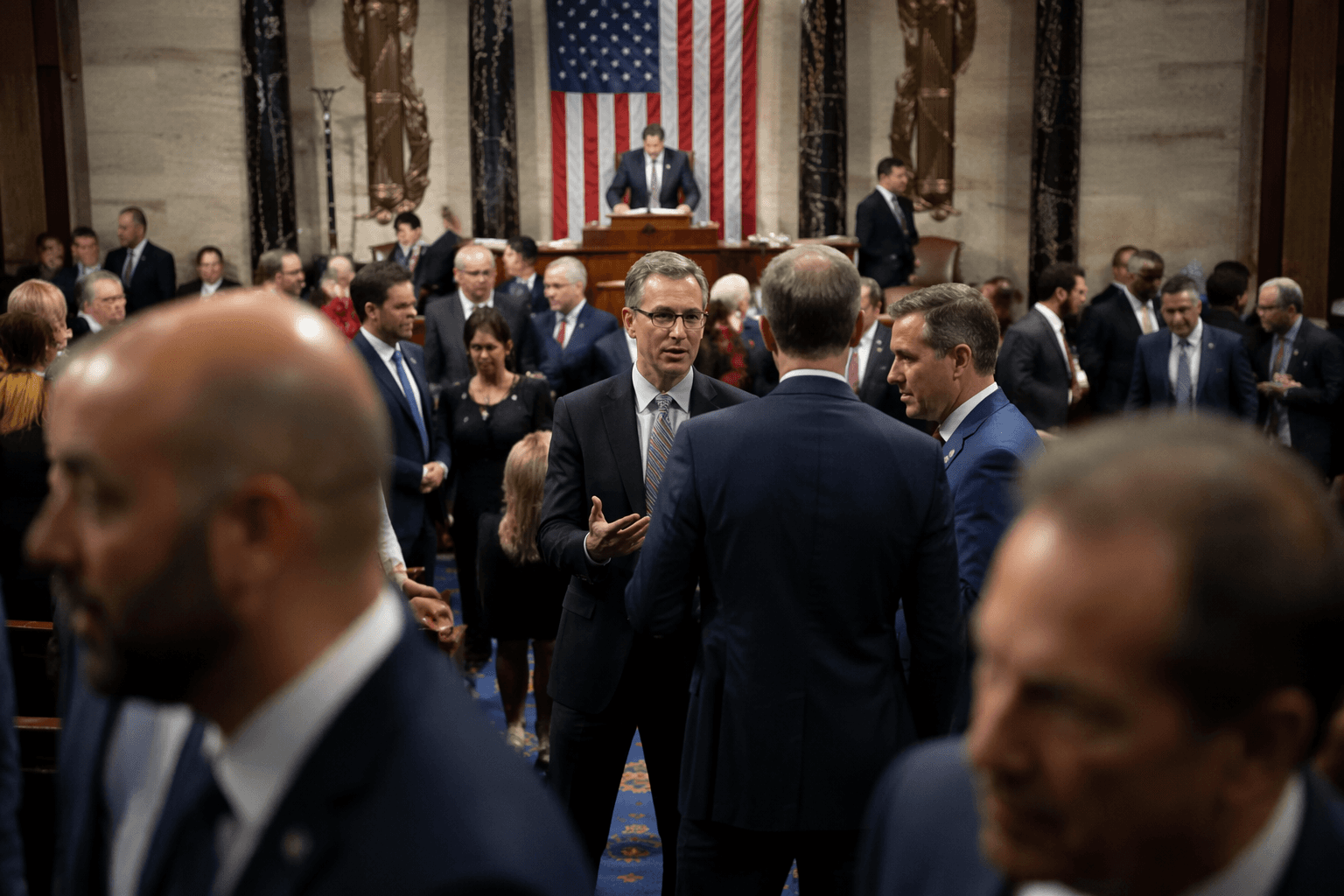
House Speaker Mike Johnson had tried to stop the resolution from reaching the floor two weeks earlier, abruptly shutting down floor action when the measure was close to passage. The maneuver underscored how sensitive the vote had become for Republicans who were split over how far Congress should go in challenging the White House on war powers.
The Senate has already signaled some of the same unease. On May 19, senators advanced a similar war powers resolution in a 50-47 procedural vote, with Susan Collins of Maine, Lisa Murkowski of Alaska, Rand Paul of Kentucky and Bill Cassidy of Louisiana joining Democrats. That was the first time the Senate had moved a similar measure forward after seven failed attempts.
The conflict has now been underway for roughly three months, after U.S. and Israeli forces began strikes on Feb. 28. Critics in both chambers argue Congress never authorized the conflict. House Democratic Leader Hakeem Jeffries called it a “reckless and costly” war of choice and said it had cost U.S. taxpayers more than $100 billion.
The political backlash reflects growing discomfort inside the Republican Party over the scope and cost of the campaign. Lawmakers have also linked the war to higher U.S. gas prices and broader inflation pressure, adding economic strain to the constitutional fight over who gets to decide when America goes to war. For now, the votes in both chambers show mounting resistance, but not yet enough force to stop the president’s war-making on their own.
This article was produced by Prism’s automated news system from verified source data, official records, and press releases, then run through automated quality and moderation checks before publishing. The system is built and supervised by the people who set the standards it runs under. Read our full AI policy.
Know something we missed? Have a correction or additional information?
Submit a Tip