Houthis Attack Israel as US Troops Arrive and Tehran Bombardment Intensifies
The IRGC threatened to strike U.S. university campuses as Tehran absorbed its heaviest bombardment in 30 days of war and Houthi missiles reached Israel for the first time.

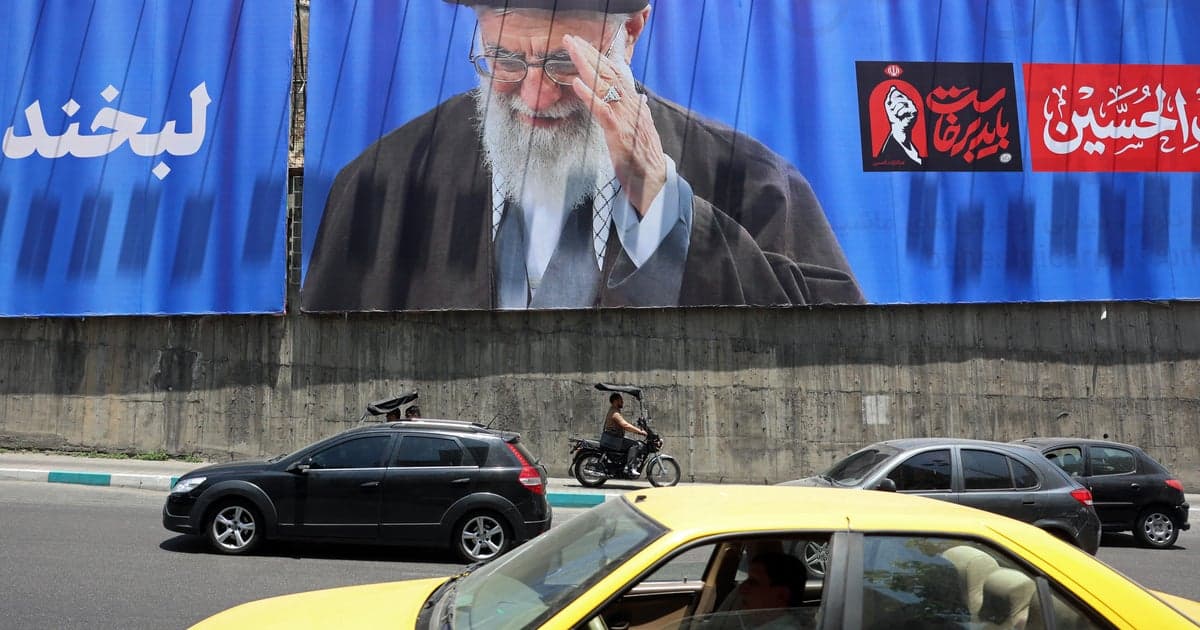
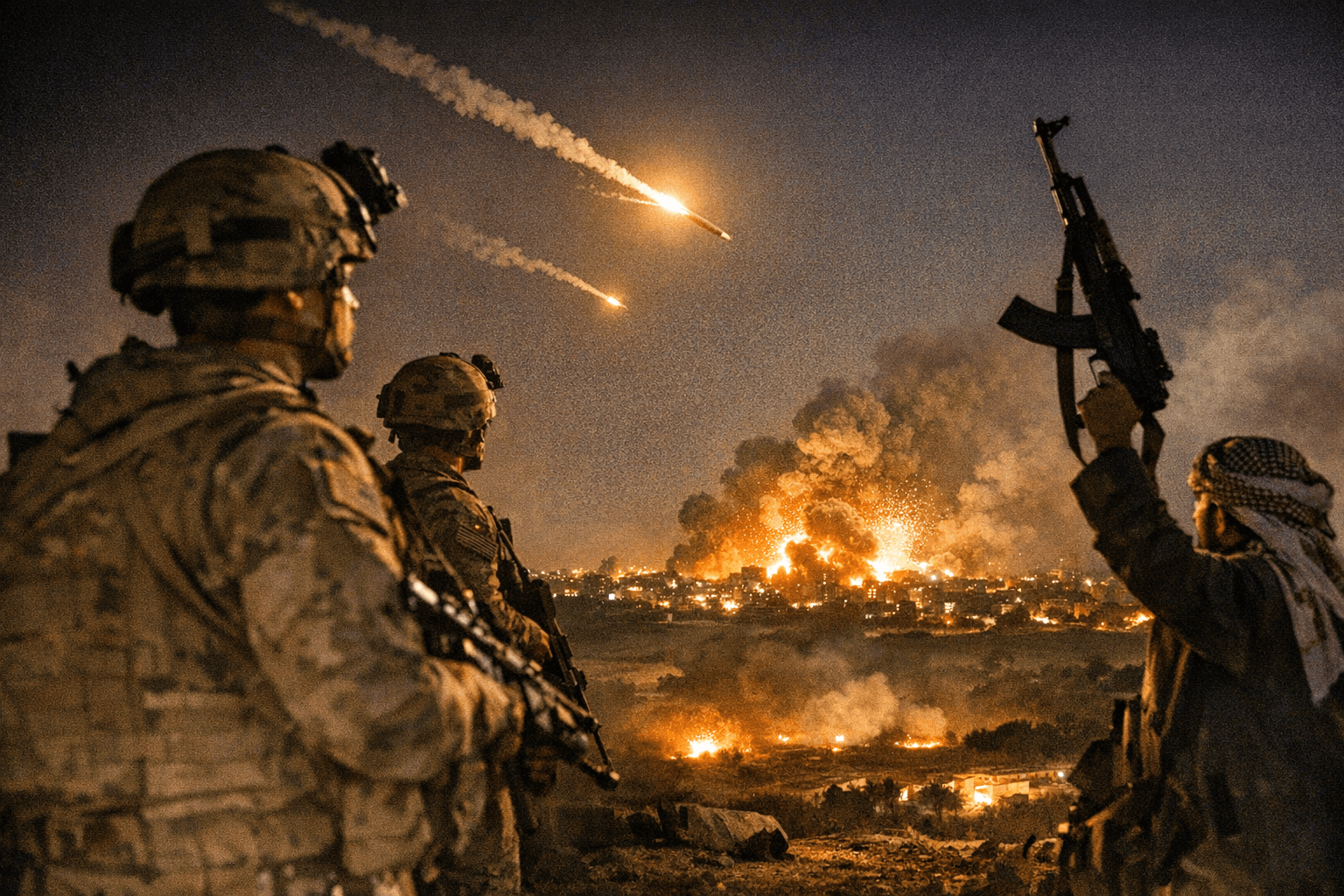
Black smoke hung over Tehran and Isfahan on Saturday as U.S.-Israeli airstrikes struck residential neighborhoods, research facilities, and at least two universities in what was described as the heaviest single-day bombardment of the Iranian capital since the war began 30 days ago. Yemen's Houthi rebels simultaneously fired ballistic missiles at Israel for the first time in the current conflict, and U.S. Central Command confirmed the USS Tripoli, carrying 3,500 sailors and Marines, had arrived in the Middle East.
The Islamic Revolutionary Guard Corps threatened to strike U.S. and Israeli university campuses in the region in retaliation, a direct escalation that extended the war's reach to academic institutions across multiple countries. The threat followed reports that several research and educational buildings at the Iran University of Science and Industry were among the sites struck in Tehran, while photographs showed significant damage at Amirkabir University. The Israeli military said it was targeting naval and military infrastructure in the Iranian capital; Tehran pledged a broader regional response.
Yemen's Houthi movement, which previously disrupted Red Sea shipping lanes in retaliation for Israel's war against Hamas, said it fired two missiles at Israel on Saturday and conducted a second wave of attacks the same day. The assault marked the Houthis' direct entry into the Iran war, opening a new front that threatened to further destabilize maritime trade across the region.
The arrival of U.S. forces deepened the military escalation. Beyond the USS Tripoli's 3,500 sailors and Marines, an expeditionary force of 2,500 Marines attached to ships equipped for amphibious assault was also reported to have arrived in the region. The Trump administration was reported to be preparing for weeks of ground operations, with officials separately weighing the deployment of ground troops.
The war's grip on global shipping tightened further. Pakistan's Foreign Minister Ishaq Dar announced that Iran would allow 20 Pakistani ships to pass through the Strait of Hormuz, a narrow concession that underscored how thoroughly the blockade had upended maritime commerce. An estimated 20,000 sailors remained stranded on vessels unable to transit the waterway freely, and some tanker operators were paying millions for passage, with the IRGC described by one analyst as operating "almost like a tollbooth," verifying each ship's credentials before granting clearance.
The conflict continued to claim press casualties. An Israeli strike in southern Lebanon killed two prominent Lebanese television journalists and a cameraman who worked for Al-Manar, a network owned by Hezbollah, and Al-Mayadeen, a broadcaster supportive of the group.
Israel separately claimed to have killed Iran's security chief, Ali Larijani, in a strike. The claim had not been independently verified.
On Wall Street, the S&P 500 recorded its worst single-day loss since the war began, falling 1.7%, while the Nasdaq closed down nearly 2.4% and moved into correction territory, as investors priced in a conflict that showed no indication of a near-term end.
This article was produced by Prism’s automated news system from verified source data, official records, and press releases, then run through automated quality and moderation checks before publishing. The system is built and supervised by the people who set the standards it runs under. Read our full AI policy.
Did this article answer your question?