How coaches scale high-volume wall-ball pyramids without losing intent
Learn the exact levers—ball weight, target height, rep breaks, and pacing cues—I use to scale high-volume wall‑ball pyramids so the workout stays a strength‑speed test, not a grinding cardio slog.
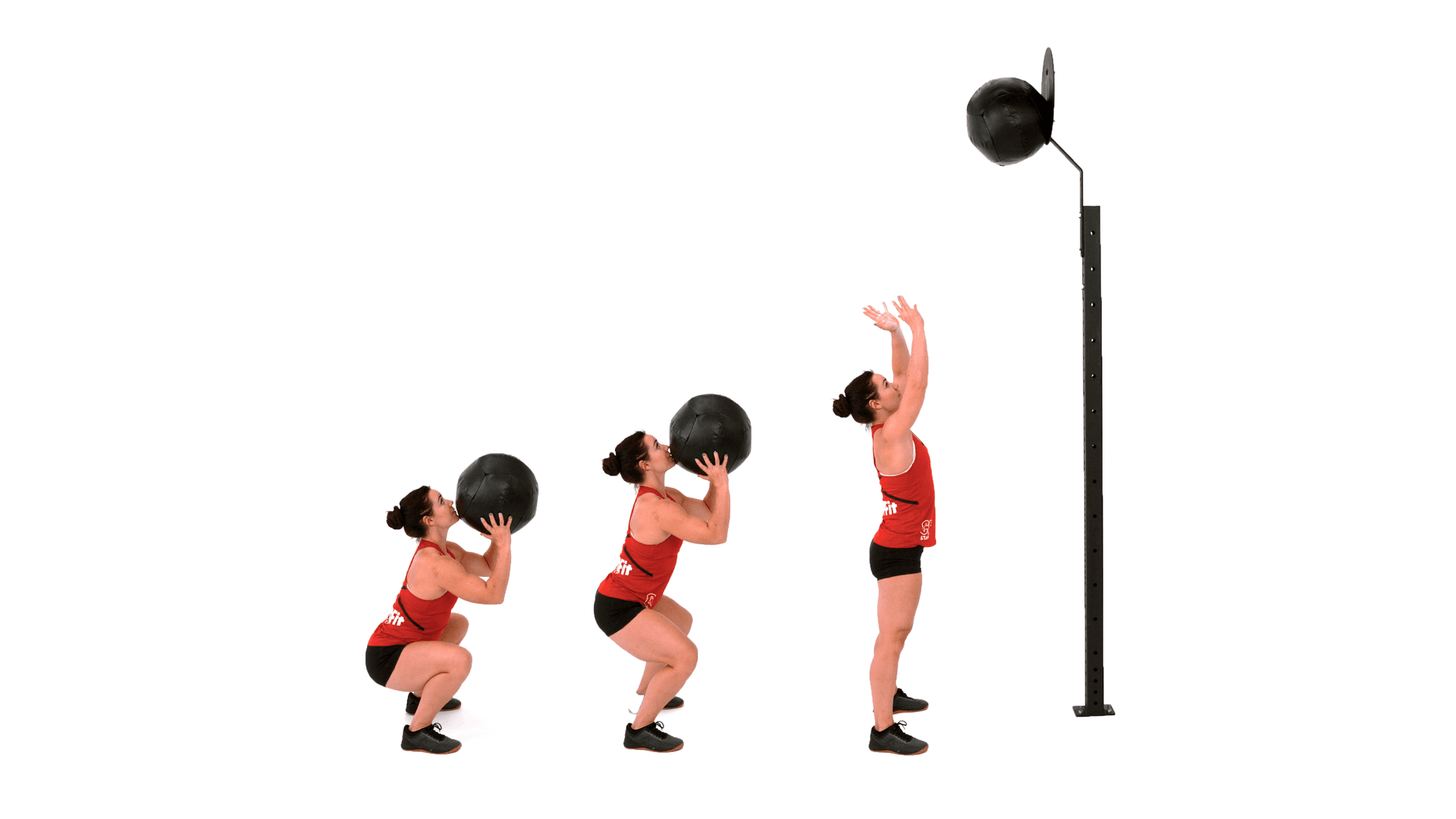
When a chipper-style wall-ball pyramid goes sideways, it’s almost always because a coach removed the workout’s intent with one careless scale. In my experience coaching CrossFit classes and running pyramids at competition prep clinics, intent is the difference between a power-endurance test and a slow metabolic meltdown. Treat “intent preservation” like the workout’s rule set: every scale should keep athletes working the original stimulus—depth of squat, shot of power to the target height, and the intended pacing—while changing only one measurable lever at a time.
Why intent matters for wall-ball pyramids High-volume wall-ball pyramids show up in chippers and benchmark-style WODs because they test sequencing: strength under fatigue, the ability to reapply explosive extension, and transitions. If you turn a pyramid into an aerobic slog by chopping reps or dumbing down the movement, you lose the original training effect. Coaches who understand intent preserve the stimulus for athletes working toward competition templates or specific skill development in CrossFit programming.
Define the intent before you scale Before you touch reps or ball weight, name the intent out loud in class: is this a power-endurance piece (hit target height and keep unbroken sets early), an aerobic capacity builder (sustained moderate pace), or a skill/transitional drill (clean transitions and consistent squat depth)? Stating the intent—“power 8–12, then manage” or “steady-state, sub-2 RPE target”—anchors every later scale and keeps your athletes’ effort aligned with the workout’s goal.
- Ball weight — Changes the force demand. Drop one weight increment only (for example, from the RX ball down one size) so athletes still practice the same mechanics.
- Target height — Lowering the target reduces ballistic demand; raise it as a finishers’ challenge. Adjust height in 4–6 inch steps rather than eliminating the target entirely.
- Rep structure — Break the pyramid into smaller sets with planned rests to keep intent (e.g., split a 25 into 3×8+9 rather than shortening the total reps).
- Tempo and break rules — Prescribe tempo (pause at the catch, rapid extension) or disallow long rest periods to maintain the testing stimulus.
Four precise levers you can use (and what they do)
How I decide which lever to use I pick the least intrusive lever: if an athlete lacks single-rep power, change the ball weight. If the issue is fatigue from high reps but technique is fine, partition the set or add a mandatory 10–15 second stand-up reset so the athlete can reload without changing the movement standard. If the gym’s average fitness level suggests the pyramid will become purely aerobic, lower the target height a notch rather than reducing reps—this preserves load orientation while keeping the stimulus intact.
On-the-fly scaling: a checklist I carry in my head 1) Ask the athlete which part of the rep is breaking (coming out of the squat, on the shot, or during transitions). 2) If mechanics fail at the top end, reduce ball weight or lower target height by a single step. 3) If the athlete can maintain mechanics but not pace, partition the set into planned mini-sets and prescribe short, counted rest windows. 4) Keep total reps or total time the same whenever retaining workout intent is the priority.
Programming examples that keep intent When programming a pyramid for a class or competition prep block, write the intent next to the rep scheme. Example: “Pyramid 5–10–15–20–15–10–5 (intent: power-endurance; RX ball; target 10 ft). Scales: ball minus one unless athlete can show 75% of reps at target within first two sets.” That single, measurable rule prevents coaches from undercutting the workout during cueing or transitions.

Language and cues that preserve intent in class Say things that enforce the test: “All reps must reach the target—scaled ball only, not lower target,” or “You can break sets but you must reset at chest height and hit depth.” The specific phrasing matters; vague cues invite sloppy scaling. Use numbers—reps, heights, seconds—to stop ambiguity and keep athletes accountable to the CrossFit standards you want to train.
Grouping athletes and assigning scales Group by intent, not by perceived fitness. Put athletes who need the same lever adjustment on one side of the floor and give them a uniform scale (same ball size or enforced set partitions). This keeps judging consistent and prevents one athlete’s leniency from cascading into poor standards across the class. When preparing athletes for competitions or the 2026 CrossFit Open-style templates, grouping by the training intent lets you preserve the specificity those athletes need.
Measuring success: what to watch for Track three simple metrics during and after the WOD: movement quality on the last two sets, time per segment (first half vs second half of pyramid), and athlete-reported RPE. If movement quality collapses but split times are steady, you under-prescribed load; if movement quality holds but split times slow dramatically, you under-prescribed aerobic demand. These measurable signs help you iterate on the next class.
Common pitfalls and how I avoid them The most frequent mistake is “over‑compensating” by changing multiple levers—dropping ball weight and cutting reps—killing the intended stimulus. Another is letting athletes self-scale without guardrails; you need preset options (ball sizes, target adjustments, partition plans) written on the whiteboard. Finally, avoid defaulting to “just do less” for every athlete; that’s lazy coaching and it dilutes programming for the entire box.
A short sample session plan (how I’d coach a 45-minute class) Start with a specific warm-up that rehearses the stop at the catch and the full-shot extension. State the intent and exact scale options on the whiteboard. Run the pyramid as a chipper, then collect the three metrics (quality, splits, RPE). Finish with an accessory that reinforces the weak link you observed (tempo goblet squats if depth failed; short power cleans if extension failed). This keeps the pyramid’s stimulus central to the session, not an afterthought.
Final note on sharing and coaching culture There’s a reason detailed, data-rich posts get more traction in the CrossFit community—specificity leads to better coaching. Remember the hard metric: passive viewership is huge right now, so when you craft classes and scale with concrete rules—numbers, ball sizes, target heights—you create content your peers can replicate and talk about. Preserve intent, write the scale on the board, and your athletes will leave better trained, not just less tired.
Know something we missed? Have a correction or additional information?
Submit a Tip