How extremists and foreign actors exploit disasters on social media
When roads fail and facts lag, extremists and foreign propagandists rush in, turning disaster scenes into tools for recruitment, deception and distrust.
The information vacuum after the storm
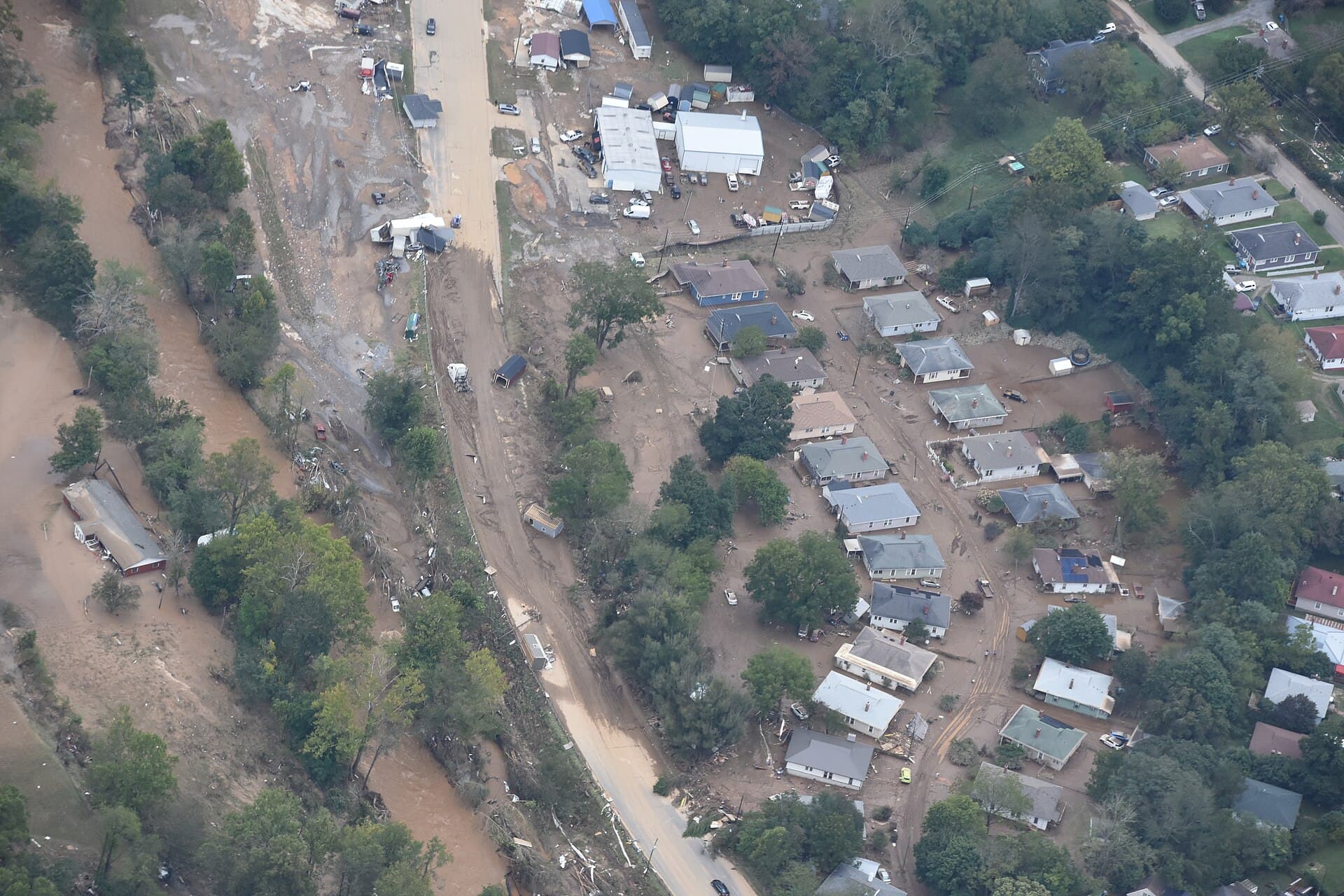
When Hurricane Helene pummeled the mountains of North Carolina, it did more than flood homes and uproot trees. Damaged roads and bridges cut remote communities off from relief efforts, and that gap between the disaster and reliable information became its own vulnerability. In that silence, social media became a battlefield where images, rumors and opportunists could move faster than verified updates.
That is the danger public health experts and crisis responders keep running into: after a storm, people need food, shelter, transportation and clear instructions at the exact moment when local systems are least able to deliver them. In isolated mountain communities, the loss of physical access also weakens the flow of trustworthy information, which makes residents easier targets for false claims about rescue efforts, aid distribution and government competence.
The extremist playbook
A televised report showed white nationalists, militias, conspiracy theorists and far-right groups arriving in the Helene disaster zone, and some were armed, adding to the strain on local law enforcement. The pattern is familiar: show up where pain and confusion are highest, present yourself as helpful, and use the visibility to build credibility.
Members of Patriot Front, for example, came to deliver food and supplies and clear debris, then posted photos and videos of themselves helping online. That service was not just service. It was image management, recruitment and brand repair, aimed at making extremist politics look like community minded charity instead of the ideology behind it.
John Kelly of Graphika has said disasters are moments when public attention narrows to one thing at once. That concentration creates an opening for groups that want to reach a more mainstream audience without broadcasting the most overt symbols of extremism. The disaster scene becomes a stage where a group can look civic minded in person while feeding a very different message online.
Misinformation is part of the mission
The same posts that showcase bags of food or debris cleanup are often paired with misinformation or disinformation. A common theme is that the government failed in the rescue effort, a claim designed to deepen resentment, inflame anger and make official guidance look suspect.
That matters because disaster misinformation does not stay on the screen. It can push people away from verified aid channels, make them doubt emergency instructions, and turn already fragile communities against the very agencies trying to help them recover. In a health emergency, that kind of confusion is not abstract. It can delay access to supplies, shelter, medical care and safe travel routes.
Foreign actors exploit the same opening
Graphika later said its analysts detected Chinese state-linked actors, including the Spamouflage network, amplifying misinformation around Hurricane Helene. The pattern, according to the firm, is consistent: use disasters opportunistically to denigrate the U.S. government and cast doubt on leadership at federal and local levels.
An October 2024 U.S. official said Russia, China and Cuba also spread misinformation about U.S. hurricane relief efforts after Helene and Milton. Among the material circulated online were likely AI-generated images, including a flooded Disney World scene and a false image showing Vice President Kamala Harris beside a sign claiming all U.S. money went to Ukraine, Israel and Taiwan. The point of these fabrications was not subtle. They were built to trigger outrage, feed partisan suspicion and make official institutions look indifferent or corrupt.
Russia has used this playbook before. PBS News reported that Russian disinformation sought to exploit legitimate concerns about hurricane recovery to portray U.S. leaders as incompetent and corrupt. That tactic works because it does not need to invent every grievance from scratch. It only has to warp real frustration into something more poisonous.
The pattern predates Helene
The August 2023 Maui wildfires, which caused more than $5 billion in damage, became another example of how quickly rumors fill a vacuum. RAND said online trolls, possibly backed by the Chinese government, spread falsehoods about a secret weather weapon, space warfare and Oprah Winfrey causing the fires. Those claims were wildly detached from reality, but they still traveled because crisis conditions make people more likely to click, share and speculate before facts catch up.
This is why disaster disinformation is so damaging. It does not just insult the truth. It obscures the practical details people need most: where to find shelter, which roads are open, which agencies are accepting requests for help, and what information is actually confirmed. At the same time, it gives extremists and foreign actors a chance to exploit grief, anger and fear for their own ends.
How to vet disaster posts before you amplify them
When a fast-moving emergency floods your feed, use a slower checklist before sharing anything that claims to show what is happening on the ground:
- Check the source first. Look for an official agency, a local news outlet or a recognized emergency response account before trusting a dramatic post.
- Treat reposted images with caution. Flood scenes, damaged landmarks and rescue footage are often recycled from other events or altered with AI.
- Read the caption for emotional manipulation. Posts that push outrage, blame or certainty without evidence are designed to spread faster than facts.
- Compare the claim with multiple reliable outlets. If only anonymous accounts are carrying the story, wait.
- Be wary of posts that mix real disaster footage with false political claims. That blend is a common tactic because it borrows credibility from reality while smuggling in propaganda.
- If a post tells you where to get help, verify that information through emergency management, FEMA or local authorities before acting on it.
The core lesson from Helene, Maui and the hurricane misinformation campaigns around them is simple: disasters create both physical wreckage and informational chaos. The people who exploit that chaos are counting on speed, emotion and exhaustion. The best defense is not cynicism, but discipline, because in the first hours after a catastrophe, verified facts are as essential as rescue itself.
This article was produced by Prism’s automated news system from verified source data, official records, and press releases, then run through automated quality and moderation checks before publishing. The system is built and supervised by the people who set the standards it runs under. Read our full AI policy.
Did this article answer your question?