How Hezbollah’s cheap drones exposed Israeli vulnerabilities in Lebanon
Cheap FPV drones have turned southern Lebanon into a test of adaptation, exposing gaps in Israeli defenses and widening the conflict’s regional stakes.
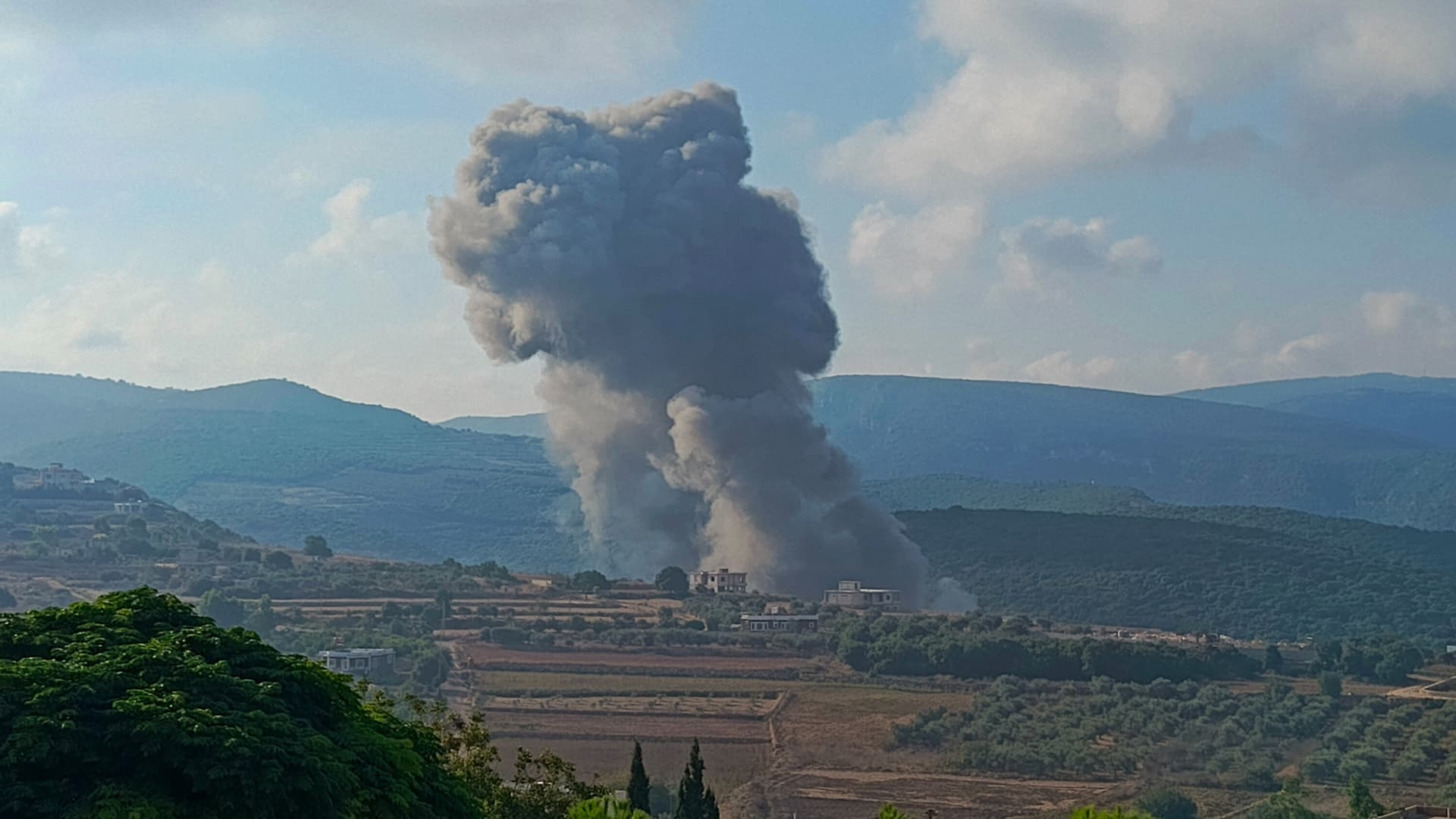
Hezbollah’s drone campaign has changed the shape of the fighting in Lebanon more than another front-line advance ever could. What looks like a cheap tactical tool has become a battlefield shift: small, hard-to-stop aircraft are forcing the Israel Defense Forces to rethink how it moves, detects threats and holds territory in southern Lebanon.
A low-cost weapon with outsized effect
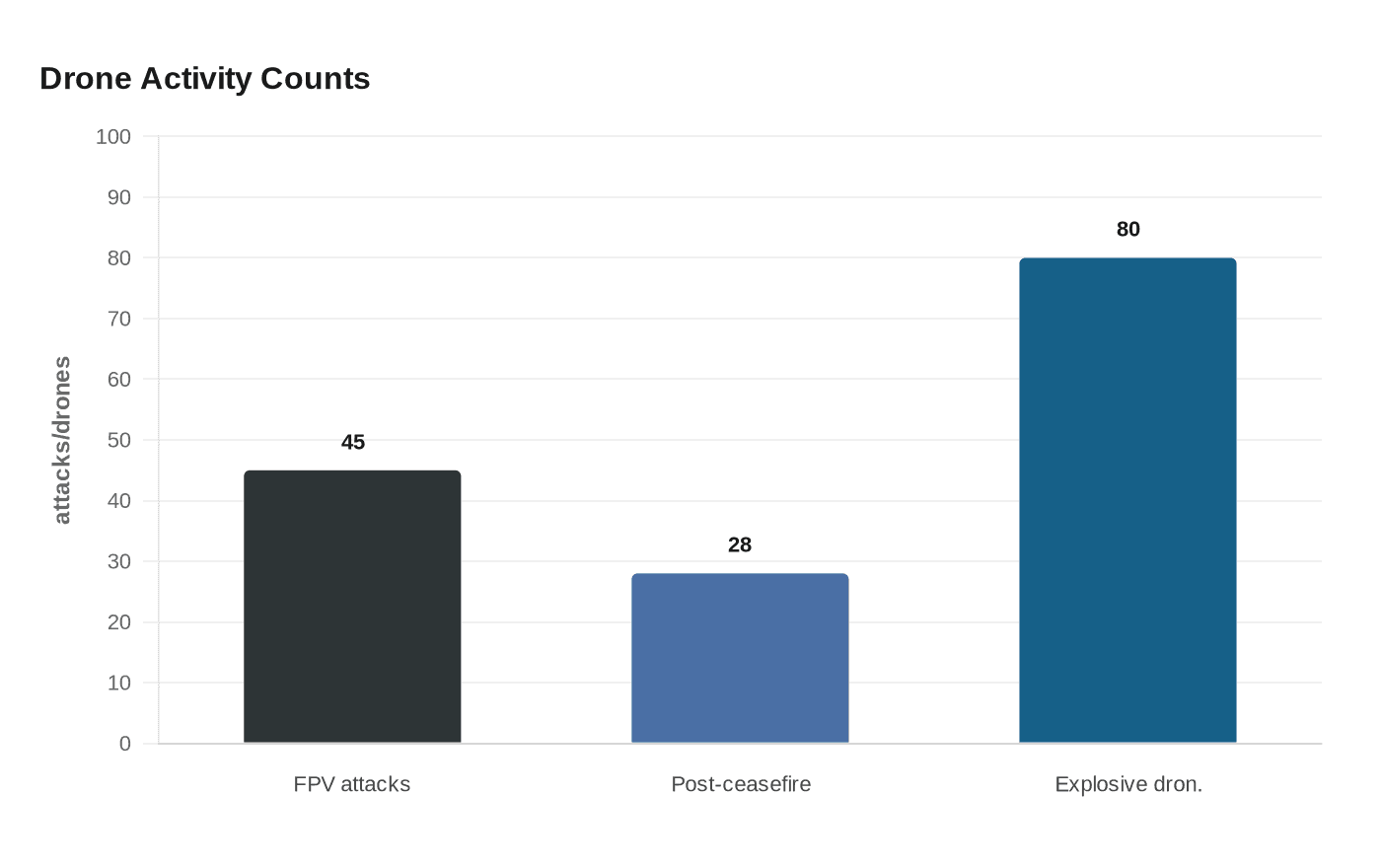
Since the renewed campaign against Hezbollah began in March 2026, and especially after the ceasefire took effect on April 17-18, Hezbollah’s first-person-view, or FPV, drones and small quadcopters have become a visible part of the war. Reuters reported on May 12, 2026, that Hezbollah had published videos of more than 45 FPV attacks, with 28 of them carried out in the nearly four weeks after the ceasefire. Alma Research and Education Center said the group had launched more than 80 explosive drones since the current campaign began, showing that the drone threat is not isolated but part of a sustained pattern.
That matters because the drones are not expensive, and they do not need to be. Reuters cited estimates that a basic Hezbollah drone costs less than $400, while other reporting has placed the price at about $500 per unit. In a conflict where air defenses, surveillance systems and armored units can cost vastly more, that price gap gives Hezbollah a way to pressure Israeli forces without matching them weapon for weapon.
How Hezbollah improved under pressure
Hezbollah-aligned reporting says the group spent roughly 15 months after the November 2024 ceasefire modifying a large drone arsenal. The result appears to be a force that has learned how to use the pause in fighting to adapt, test and improve. Analysts and Hezbollah-aligned outlets say the group moved toward fiber-optic guidance for some drones, a method that is harder to detect or jam than radio-linked control.
That shift echoes battlefield innovation seen in Ukraine, where FPV systems became a hallmark of modern attritional warfare. Israeli and other defense analysts say Hezbollah has borrowed from that playbook, using cheap, nimble drones to exploit the gaps between traditional air defense systems and the realities of a dispersed ground fight. The lesson is not simply that Hezbollah has drones. It is that Hezbollah appears to have built drones into a learning system, improving them while Israeli forces were focused on holding ground.
Why Israeli defenses are struggling
The most revealing part of the drone fight is not the number of attacks, but what they expose. Reuters reported that the ceasefire left Israeli ground forces occupying a buffer zone up to 10 km inside Lebanon, a position that leaves them more exposed to drone attacks. Israeli media and research groups say that exposure has forced the IDF to adapt quickly, especially in detection and interception.
The Times of Israel has described the IDF as appearing caught off guard by Hezbollah’s effective use of first-person and fiber-optic drones in southern Lebanon. That assessment points to a deeper vulnerability: if a military expects artillery, mortars and conventional missiles, it may be less prepared for small commercial drones flown low, fast and close to the ground. The problem is not only interception, but seeing the drones early enough to react.
That is why the drone threat has become a test of readiness rather than just another harassment tactic. Israel’s government has described Hezbollah’s use of small commercial drones as a tactical concern, but not a game-changer. Even so, the need to answer it has already altered operational behavior, suggesting that what is dismissed publicly as manageable can still reshape battlefield choices in practice.
A border zone under pressure
The drone campaign is unfolding in a wider and more fragile border picture. Some reports say Israeli forces are now deeper inside Lebanon than they have been in more than 25 years. That depth gives Israel more room to maneuver on the ground, but it also stretches its exposure and complicates any effort to stabilize Lebanon’s border area.
The geography matters. Forces positioned in the buffer zone, and in areas closer to places such as Bint Jbeil, the Beqa'a Valley and the approaches to the Litani River, are not just closer to Hezbollah’s launch areas. They are also operating in terrain where drones can be used to probe, track and strike with a level of precision that is hard to counter with older tactics. The result is a border fight that is less static than it looks on a map and more vulnerable to repeated, low-cost disruption.
Why the regional stakes are rising
This drone war is doing more than inflicting damage on individual units. It is complicating efforts to stabilize the border and any U.S.-backed peace track, because every new drone strike raises the pressure on Israel to escalate and on Lebanon to absorb the consequences. Reuters and other reports describe a broader pattern in which the fighting is no longer confined to a narrow line of contact; it is becoming a contest over endurance, adaptation and deterrence.
That is why the drone story matters beyond the battlefield. Cheap systems, improved under pressure, can force a major military to change tactics, broaden strikes and accept more risk to its ground troops. In southern Lebanon, Hezbollah has shown that a low-cost platform can create a high-cost problem, and that is the kind of imbalance that tends to spread before it is contained.
This article was produced by Prism’s automated news system from verified source data, official records, and press releases, then run through automated quality and moderation checks before publishing. The system is built and supervised by the people who set the standards it runs under. Read our full AI policy.
Did this article answer your question?