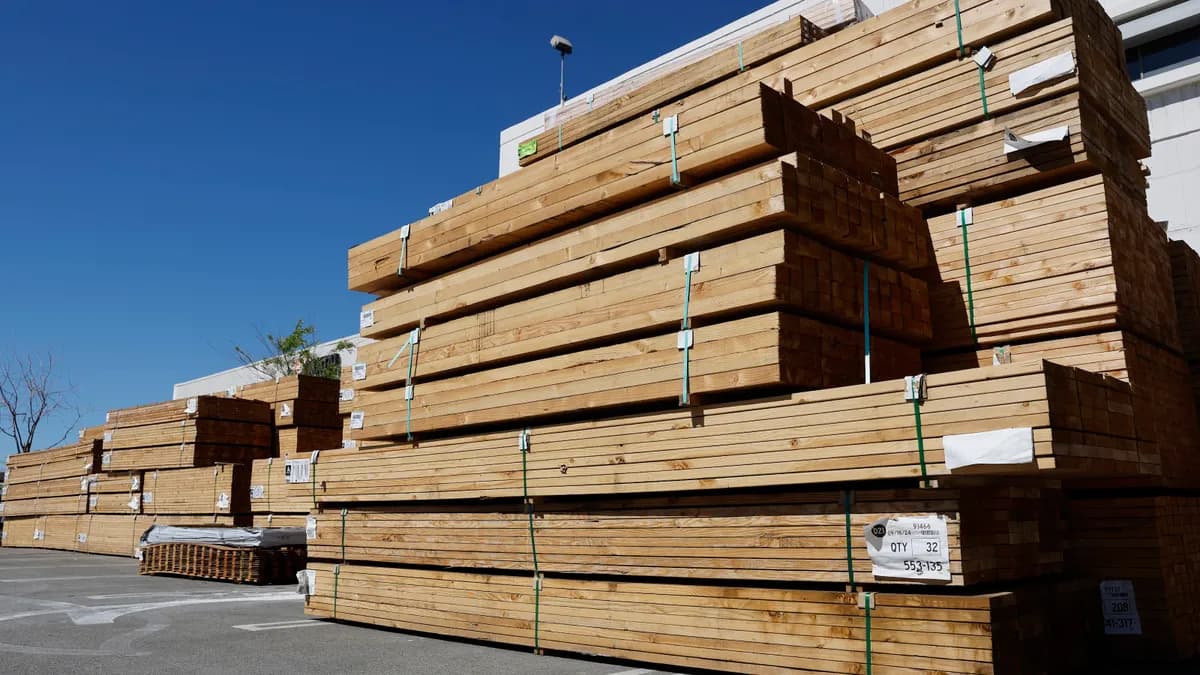
How Home Depot associates should respond immediately to workplace accidents and near-misses
A practical, step-by-step primer for Home Depot store, warehouse, and distribution associates on what to do first after an accident or near-miss, with immediate actions, documenting, and follow-up.
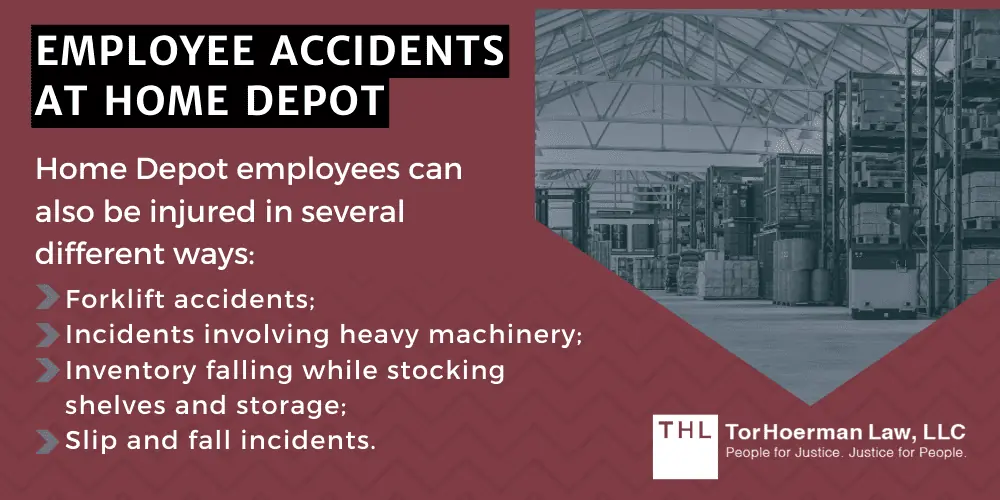
This evergreen primer is written for Home Depot associates, store associates, hourly warehouse staff, and distribution-workers, to explain practical steps after a workplace accident, near-miss, or safety incident. It focuses on immediate on-the-ground actions and documentation that protect your health, your job rights, and the integrity of any future claims.
1. Stop the danger and get to safety
If you or a co-worker are in immediate danger, remove people from the hazard zone or shut down the equipment if it is safe and you are trained to do so. Prioritize human life over merchandise or machinery: evacuate customers and staff from the area, cordon it off with caution tape or cones, and follow your store’s emergency closure procedures. If a spill, fallen racking, or energized electrical equipment is involved, keep untrained staff and customers away until a trained responder arrives.
2. Call for emergency medical help for serious injuries
For life-threatening injuries, call 911 right away and tell dispatch the location, the nature of the injury, and any hazards responders should expect. If the injured person is breathing but needs urgent care, summon onsite trained first-aiders or your store/warehouse manager immediately and request an ambulance. Home Depot associates should follow the company’s established protocol for summoning emergency services, and document who placed the call and the time it was made.
3. Provide or activate first aid and lifesaving equipment
Use your store or distribution center’s first-aid kit, AED, or trained first-aider when appropriate; only provide care within the scope of your training. Record the care given, who treated the person, what treatment, and the time, because that information will be important for incident reports and a workers’ compensation claim. If you used an AED or other emergency device, note the device ID or location and secure the device for records.
4. Notify your immediate supervisor and leadership
Tell your department lead, store manager, or shift supervisor as soon as the injured person is stable; for near-misses, notify leadership immediately so hazards can be addressed. Identify the names and titles of who you notified and the exact times you made each notification to include in any incident documentation. Prompt notification triggers internal safety protocols and preserves the ability to capture evidence before it’s cleared.
5. Preserve the scene and key evidence
Unless it’s unsafe, leave the scene as it was until managers or safety personnel can document it; this includes not moving equipment, product, pallets, or debris. Take photos of the area, the equipment involved, floor conditions, lighting, skid marks, or warning signs, and date and time-stamp those images if possible. Collect physical evidence that might otherwise be discarded (damaged tools, labels, loose bolts) and give it to the manager or safety lead for secure storage.
6. Gather witness names and statements immediately
Ask co-workers, customers, and contractors who saw the incident for their names, contact details, and brief accounts while memories are fresh. Record who was working that shift, the names of training leads on duty, and any outside vendors in the area (for example, a delivery company or maintenance contractor). Witnesses’ short written statements or audio notes taken right after the event are invaluable if there is a later investigation or insurance claim.
7. Fill out the company incident report and log near-misses
Complete Home Depot’s internal incident/accident report as your policy requires, even for non-injury near-misses, because near-miss reporting prevents repeat events. Include precise times, who was involved, witness contacts, photos, and a clear, factual narrative of what happened. If you are unsure how to access the form, ask your manager or safety coordinator, getting the report filed quickly helps ensure corrective actions are tracked.
8. Report injuries to HR and initiate workers’ compensation if needed
Notify your store HR or the designated workers’ compensation contact promptly if medical care is sought beyond basic first aid; follow your supervisor’s instructions for claim initiation. Keep copies of medical records, transport logs, and any receipts for expenses related to the incident, and note the clinicians’ names and dates of treatment. If you are an hourly or distribution associate, make sure the company’s workers’ comp process is started within the timelines your HR provides to avoid claim denials.

9. Cooperate in the internal investigation and corrective actions
Be forthcoming with facts during the internal safety review and hand over photos, witness lists, and physical evidence you preserved. Expect the company to run a root-cause analysis that may involve store leadership, the safety team, and outside specialists for warehouse or distribution incidents. Participation helps ensure the corrective actions are practical, for example, a stocking procedure change, new signage, different pallet-stacking limits, or retraining for specific equipment.
10. Follow medical guidance and track your return-to-work status
Adhere strictly to doctors’ orders for treatment and restrictions, and communicate work-status updates to HR and your supervisor as documented by medical providers. If your facility has a light-duty or modified-duty program, get written restrictions from your clinician so HR can match tasks to restrictions. Retain copies of all medical notes and return-to-work clearance forms; these records protect both your health and your job rights.
11. File safety concerns and near-miss patterns upward if needed
If hazards persist after you reported them, escalate the issue to district leadership, the regional safety manager, or your safety coordinator. For systemic problems, such as repeated racking collapses, defective pallet jacks, or inadequate staffing that creates unsafe shortcuts, document each occurrence and include dates and names to show the pattern. Persistent hazards that management doesn’t fix may also be reported to external regulators; keep your internal documentation complete before taking that step.
12. Use photos, timestamps, and notes to create a clear incident timeline
Create a concise timeline from the moment the hazard was noticed through notification, first aid, photos taken, and when the area was secured; include exact times and the names of those involved. Store this timeline with the incident report and any workers’ compensation paperwork so there is a single, consistent account of events. Timelines help when insurance, safety, or legal teams need to reconstruct events for corrective actions or claims.
13. Protect your rights and understand policy, without delaying care
Seek clarity from HR about leave, pay, and claim processes, and request written confirmation of what was discussed. If you belong to a union or have a labor representative, notify them early; they can advise on return-to-work arrangements, accommodations, and claim filing. Prioritize medical care first, documentation and claims follow, but make sure you file required reports within your company’s stated deadlines.
14. Contribute to follow-up prevention: training, fixes, and communication
After the incident, participate in any retraining, toolbox talks, or safety stand-downs your store or distribution center schedules. Provide practical suggestions drawn from the scene, whether changes to storage practices, signage, PPE, or staffing levels, because frontline associates are best positioned to spot real-world fixes. Insist that any corrective measure be tracked with a deadline and responsible owner so the same near-miss can’t recur.
Final point Immediate, disciplined action saves lives and preserves the record you’ll need for care and any claim, from securing the scene to filing an incident report and following medical guidance. For Home Depot store associates, hourly warehouse staff, and distribution-workers, the difference between a near-miss and a repeated hazard is the thoroughness of your response and documentation at the moment it happens.
Know something we missed? Have a correction or additional information?
Submit a Tip