How Hungary challenged Orbán, and what the U.S. can learn
Hungary’s opposition united in 2022 and still lost to Orbán’s entrenched machine. For the U.S., the lesson is blunt: coalitions help, but broken rules can still decide everything.
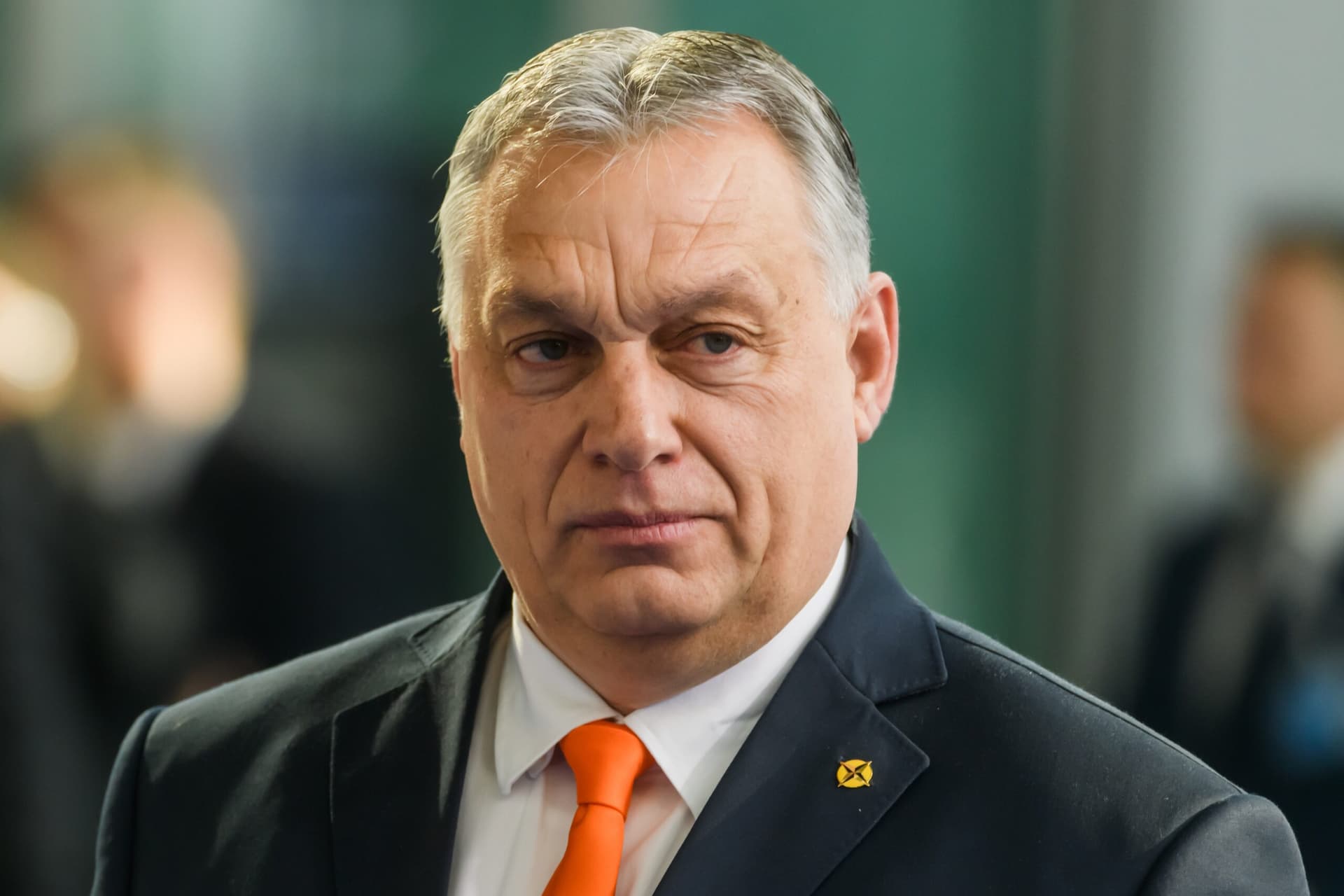
The real test was never whether Viktor Orbán could be opposed. It was whether opposition alone could beat a political system already tilted in his favor.
Hungary’s April 3, 2022 parliamentary election answered that question with uncomfortable clarity. Viktor Orbán’s Fidesz-KDNP coalition won 135 of 199 seats and preserved its two-thirds majority, while the six-party opposition alliance United for Hungary won 57 seats. The result turned Hungary into a reality check for anyone hoping that a broad anti-incumbent coalition, by itself, can overcome a leader who has spent years reshaping the rules of the game.
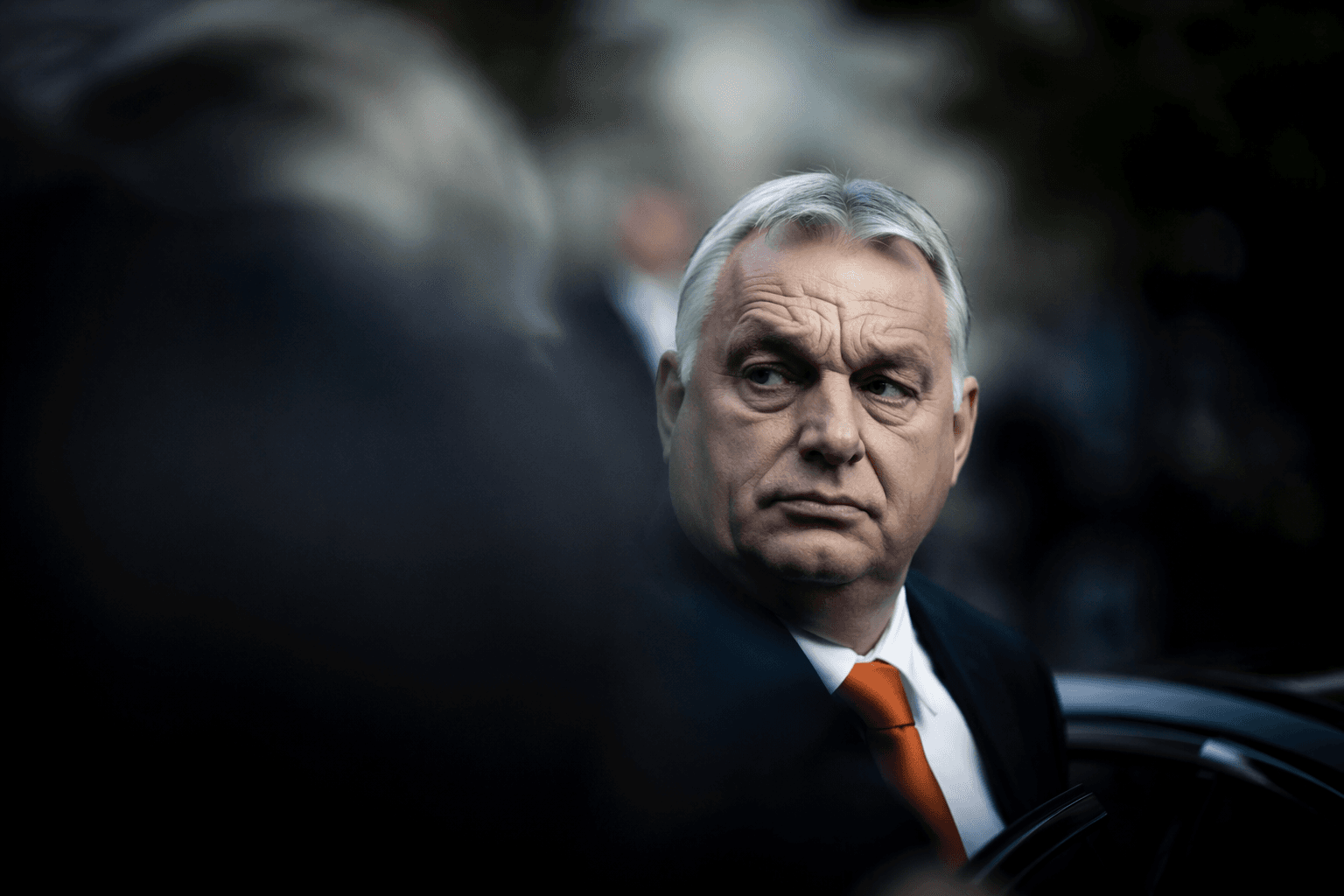
What Hungary tried in 2022
The opposition did what many fractured democracies eventually attempt: it stopped competing against itself. United for Hungary tried to maximize its chances by uniting behind a single candidate in each district, an effort designed to avoid splitting the anti-Orbán vote. The strategy was disciplined and logically sound, especially in a system where first-past-the-post style contests reward coordination.
But the timing and structure mattered as much as the message. Hungary’s general election had been set on January 11, 2022, by President János Áder, and the contest was primarily a face-off between Orbán’s governing bloc and the alliance of six leading opposition parties. In that sense, the election was not just a test of political messaging. It was a test of whether a late-stage coalition could compensate for years of institutional advantage.
Why the coalition still fell short
The answer from 2022 is that it could not. The Congressional Research Service reported that Fidesz won 53.1 percent of the popular vote and 135 of 199 seats, while the Inter-Parliamentary Union recorded United for Hungary’s 57 seats. Orbán did not simply win. He won big enough to keep the constitutional supermajority that had helped entrench his power in the first place.
That is the essential reality check. Analysts describe Hungary as a major case of democratic backsliding through legal and constitutional means, and that phrase matters because it shifts the focus away from personality alone. Orbán’s rule has been marked by democratic erosion, corruption, and legal changes that weakened checks and balances. Once institutions, media access, and election rules are already bent toward the incumbent, coalition-building becomes necessary but not sufficient.
The social cost of that kind of system reaches far beyond parliament. When checks and balances weaken, ordinary people lose leverage over the rules that shape public life, from local governance to the fairness of services and the accountability of officials. A political order that narrows competition does not just protect one leader. It also narrows whose needs are heard and whose communities are represented.
Why 2024 changed the map
If 2022 showed the limits of opposition unity, 2024 showed that political landscapes can still move, even under heavy pressure. By June 9, 2024, Péter Magyar and his Tisza party had emerged as Orbán’s strongest challenger in the European Parliament election, winning about 29.5 percent of the vote and nearly 30 percent overall. OSW reported that Tisza won seven seats and that voter turnout reached a record 59 percent.
That shift matters because it changed the center of gravity inside Hungarian politics. By June 2024, Magyar had become Orbán’s main political rival, which suggests that opposition strength is not only about one election cycle. Sometimes it depends on whether voters see a credible alternative that feels new enough to break through fatigue, cynicism, and the sense that the incumbent is unbeatable.
It also shows why Hungary remains such a powerful reference point in Europe. Freedom House rated the country “partly free” in 2024 with a score of 65 out of 100, including 24 out of 40 for political rights and 41 out of 60 for civil liberties. That score captures the paradox of Hungary’s politics: competitive elections still happen, but the democratic environment around them is degraded.
What the U.S. can actually learn
The strongest transferable lesson is not that an opposition coalition should copy Hungary’s exact model. It is that coordination matters, and it has to happen early enough to shape the field, not just the headline. Uniting behind fewer candidates, reducing friendly-fire competition, and presenting a clearer alternative can help in any democracy where voters are tired of fragmentation.
A second lesson is that opposition strategy has to match the institutional terrain. Hungary shows what happens when the ground itself has shifted, and that warning should matter in the United States, where electoral rules, media ecosystems, and district boundaries can also shape outcomes. If the opposition treats the contest as only a communications problem, it risks missing the structural barriers that determine whether persuasion can translate into power.
A third lesson is that voters respond to more than anti-incumbent anger. Hungary’s 2024 European Parliament result suggests that a challenger can gain momentum when it looks less like a temporary pact and more like a durable political force. That is especially relevant for democracies where people want change but do not trust fragmented opposition brands to govern.
What the U.S. should not assume
The mistake would be to read Hungary as proof that unity alone is enough. It is not. The 2022 election shows the ceiling on strategy when institutions have already been captured and legal changes have narrowed the space for competition. In that environment, an opposition can win arguments and still lose the count.
That is the hard lesson for the United States. If democratic rules are tilted, then winning requires more than a coalition and a better message. It requires defending the conditions that make coalition politics meaningful in the first place: fair rules, real checks and balances, and a media environment where voters can actually compare choices. Hungary’s story is not a simple anti-autocrat parable. It is a warning that when the system is rigged enough, even a disciplined opposition may only prove how much reform is still left to do.
This article was produced by Prism’s automated news system from verified source data, official records, and press releases, then run through automated quality and moderation checks before publishing. The system is built and supervised by the people who set the standards it runs under. Read our full AI policy.
Did this article answer your question?


