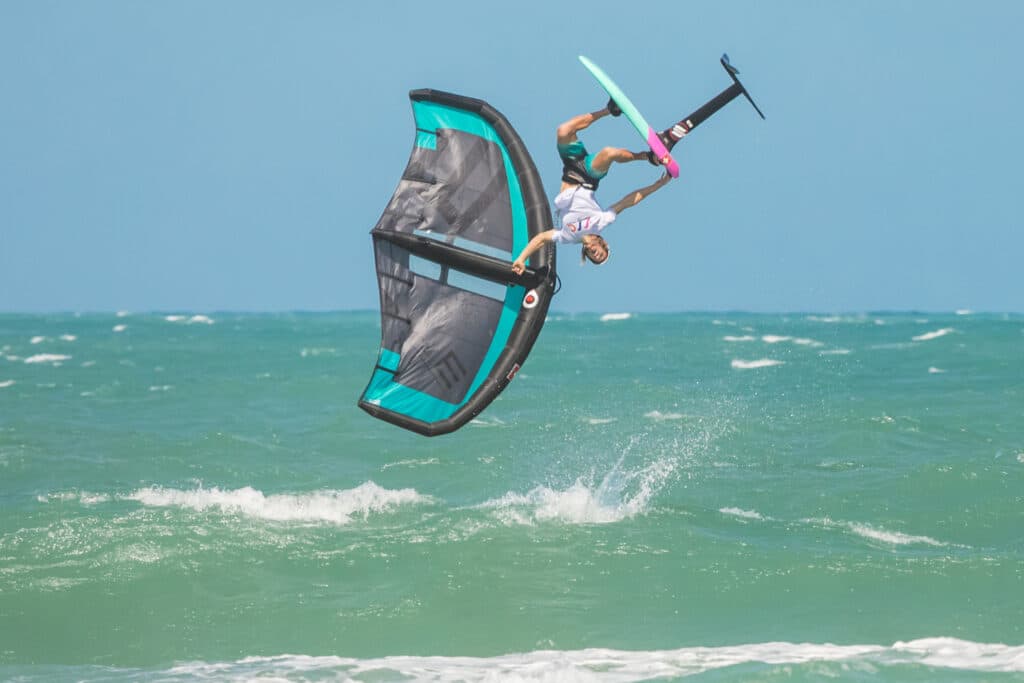
How Intermediate Foilers Smoothly Transition Between Surf, Wing, and Pumping
Practical, drill‑based steps to swap between surf foiling, wingfoiling, and flat‑water pumping without killing your speed or stance—based on a community synthesis from Feb. 25, 2026.
Most of this advice comes from a community‑oriented synthesis published Feb. 25, 2026 and is written for intermediate riders who split time between surf foiling, wingfoiling, and flat‑water pumping. Below are the concrete, repeatable adjustments and drills I use to keep transitions clean — what to adjust, when to push, and the tiny habits that save you session time.
1. Establish a single baseline stance and trim
Start every session with a neutral "baseline" stance: feet roughly hip‑width, weight slightly aft of center to keep the nose light, and eyes set down the line. Hold that stance for your first five minutes of straight‑line flight to find the foil trim and foot placement that works across all disciplines. When you switch modes, return to that baseline before making active inputs; it’s the quickest way to spot when a tweak (mast height, trim, foot placement) actually works.
2. Quick mast and plate checks when swapping disciplines
Physically check mast length and plate screws when you move from flat water to surf or from wing to pumping; the slightest loose screw changes pitch authority. If you ride one mast for all three, run the plate torque and check the front wing alignment before every launch. A consistent hardware checklist (2‑minute ritual) saves hours of poor sessions.
3. Foot placement tweaks: micro‑shifts, not big moves
Micro‑move your back foot 5–10 cm on a foil board when going from surf to pumping — not a full stance overhaul. Surf foiling wants the back foot closer to the foil for quicker trim response; pumping prefers it slightly further aft to leverage your leg drive. Practice these 5–10 cm changes on land to make them automatic.
4. Manage speed for discipline crossover
Control your speed deliberately: wingfoiling builds speed with wing trim and body position, pumping builds it with timed compressions, and surf foiling often demands a conservative entry speed to catch the face. When switching mid‑session, spend two runs deliberately adjusting one variable (either speed or trim) rather than both. That isolates cause and effect and reduces wipeouts caused by overcompensation.
5. Pumping cadence and compression timing
Pumping is about rhythm, not brute force: think “stab–recover–extend” cycles. On flat water, start with 6–8 short pumps while maintaining a slight nose‑up trim until you feel lift; once airborne, reduce pumping frequency and focus on subtle compressions. Use a metronome in early drills (count to 2 on the recovery) to internalize cadence before adding speed or turns.
6. Wing handling when you also surf foil in the same session
When you bring a wing into a surf session, preflight the wing on the beach and practice 30 seconds of powered holds downwind. The wing’s inertia changes your center of effort; expect different counterweight demands and keep a hand free to stabilize during first launches. I habitually do three powered tacks with the wing before I attempt a surf takeoff — it resets muscle memory to the wing’s pull.

7. Wave selection and timing for surf‑to‑wing transitions
Pick waves that let you ride wider lines when you’re switching modes: forgiving, long peelers are better than steep closeouts. On rotation days, plan to use waves with longer open faces for the first two hours so you can practice surf foil takeoffs and late pump entries without crowding. Timing your paddles and launches in calmer, predictable conditions reduces the mental load of changing techniques.
8. Board and foil tune for hybrid use
If you use a single board for all three, tune it toward the weakest link: add a small foam riser or use a slightly bigger deck pad to make water starts and wing handling easier. If you rotate boards, label them and keep a checklist on each board (mast length, front wing choice, leash type). Consistency in equipment setup is the fastest shortcut to consistent performance.
9. Drills that accelerate transfer between skills
Structure 20‑minute blocks: 5 minutes warm‑up straight rides, 7 minutes discipline‑specific technique (e.g., wing holds or pumping intervals), 8 minutes application (turns, takeoffs, or wave entries). Repeat this cycle three times to build cross‑discipline muscle memory without getting tunnel vision in one mode. I use this exact block schedule on mixed sessions to balance fatigue and skill carryover.
10. Safety, recovery, and session planning
Plan transitions around tide and wind windows so you aren’t forced into a sudden switch — that’s when mistakes happen. Always have a quick‑release leash or wing leash policy and know the difference in rescue needs between downwind wing losses and surf wipeouts. End each session with a two‑minute debrief: what felt off, what was consistent, and one single tweak for the next session.
The trick to smooth transitions isn’t reinventing your technique every hour; it’s narrowing the adjustments to three things — stance, speed, and trim — and practicing tiny, repeatable rituals (hardware checks, preflight wing holds, timed pump sets). This distilled approach, based on the community synthesis of Feb. 25, 2026, gets you more usable time on the water and fewer "reset" sessions. Keep the tweaks small, practice them in blocks, and make a two‑minute checklist your new warm‑up — those habits are what turn an intermediate rider into a reliable crossover foiler.
Know something we missed? Have a correction or additional information?
Submit a Tip