How IRS Mileage Rate, DOL Guidance, Courts Shape Pizza Hut Driver Reimbursements
Pizza Hut delivery reimbursements hinge on the IRS standard mileage rate, U.S. Department of Labor guidance and opinion letters, and court rulings shaping driver pay as of Feb 26, 2026.
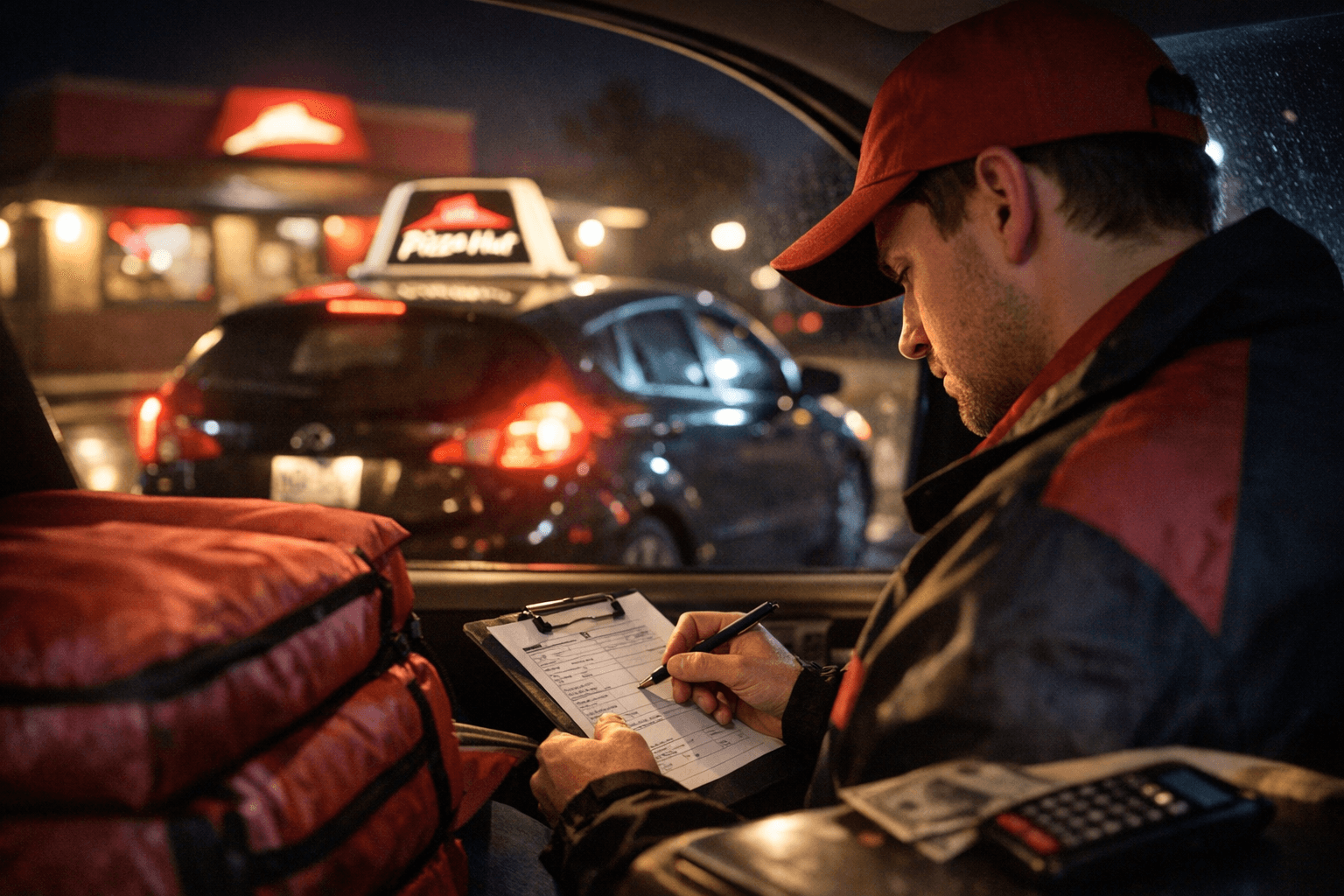
Pizza Hut delivery drivers’ take-home pay and store policies sit at the intersection of three authorities: the IRS’s standard mileage rate, U.S. Department of Labor guidance and opinion letters on employer reimbursement obligations, and court rulings that have defined how reimbursements are counted for wage law purposes. Those three forces together determine whether mileage payments count as tax-free reimbursements, reduce employer wage obligations, or must be topped up to meet minimum wage standards.
The IRS standard mileage rate serves as the benchmark used for tax and reimbursement calculations. For Pizza Hut managers setting local reimbursement policies, that IRS metric is the reference point when converting vehicle costs into per-mile amounts for drivers who use personal cars on deliveries. Payroll and tax staff at franchise locations routinely cite the IRS rate when reconciling reimbursements with payroll records.
U.S. Department of Labor guidance and opinion letters provide another layer of direction for Pizza Hut stores. The DOL documents address employer reimbursement obligations and offer interpretations that affect whether reimbursements can legally offset wage requirements under the Fair Labor Standards Act. Franchise operators and corporate payroll teams rely on DOL opinion letters to assess whether a particular mileage or delivery-pay practice complies with federal wage rules.
Court rulings have completed the picture by resolving disputes over how reimbursement practices interact with wage law. Decisions from judges in various cases have shaped whether delivery reimbursements count as bona fide expenses or whether they must be added on top of required wages. For Pizza Hut drivers and franchise owners, those rulings influence store-level policies for mileage pay, delivery fees, and caps on employer liability.
For drivers, the practical effect is straightforward: the IRS rate sets an accounting benchmark, DOL guidance signals whether that benchmark can be used to meet federal wage obligations, and court precedent determines how shortfalls are remedied in litigation. For Pizza Hut shift managers and franchise accountants, the combined guidance from IRS, DOL and courts frames payroll practice and risk exposure as of Feb 26, 2026. Expect those three authorities to remain the decisive references for reimbursement policy going forward.
Know something we missed? Have a correction or additional information?
Submit a Tip