How Jamaican sound systems shaped reggae, dub, and collecting
A concise primer explains Jamaican sound-system culture and practical tips for collectors, listeners, and home DJs. Learn what gear, records, and events to look for and why it matters.
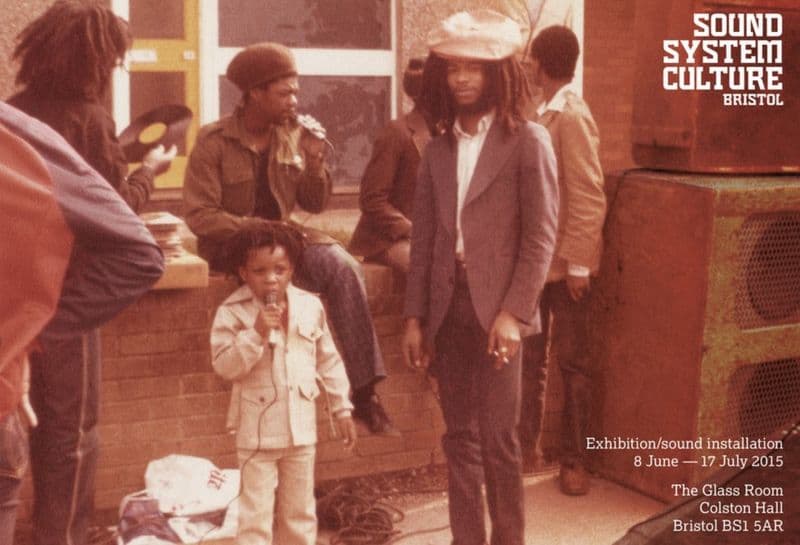
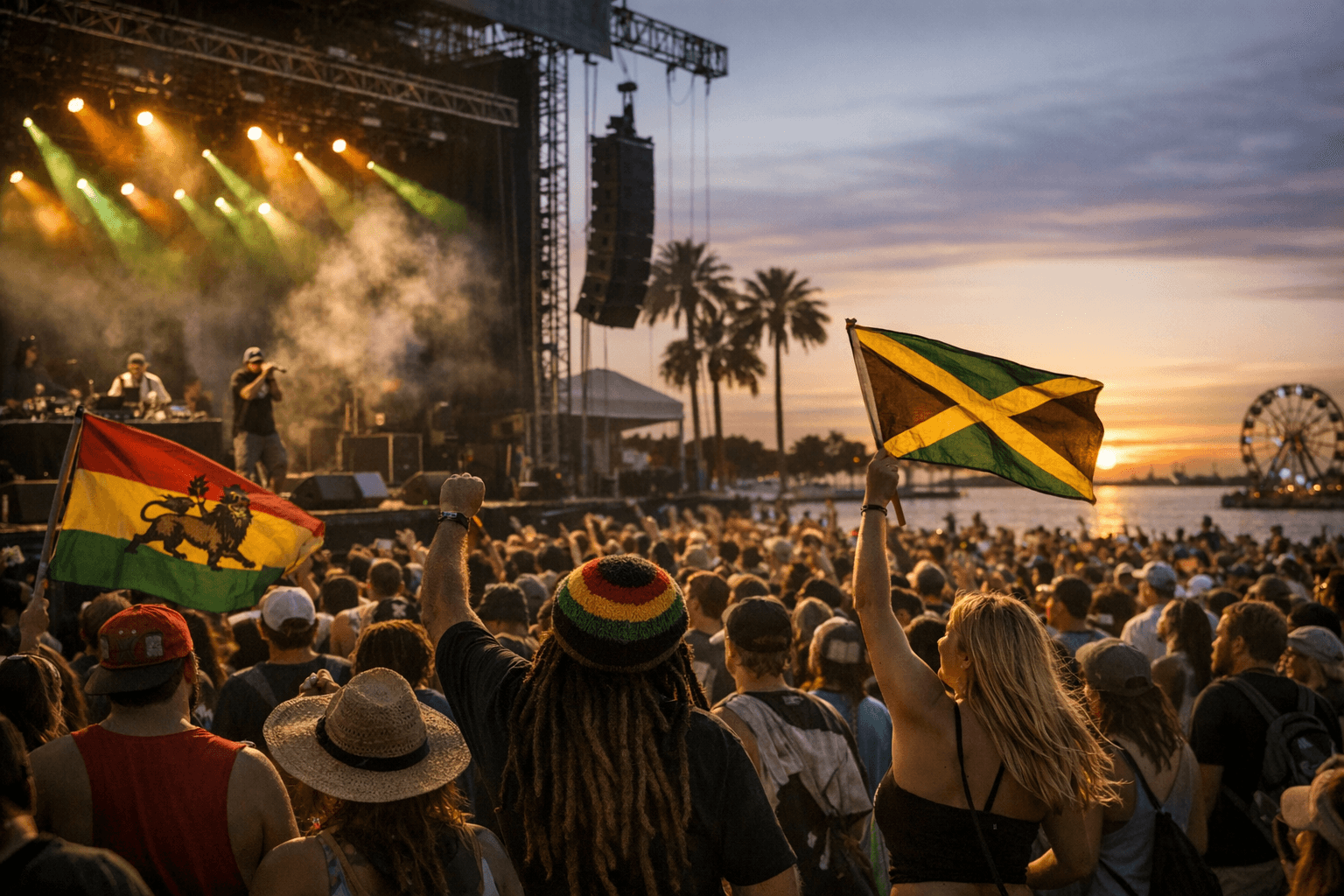
Sound-system culture is the loud, living engine behind ska, rocksteady, reggae, dub, and dancehall. Born in Kingston between the 1940s and 1960s and exported by diaspora crews to the UK and US, sound systems were mobile community hubs where selectors, engineers, MCs, and dancers met to test records, compete, and innovate. Understanding that lineage, Tommy, Duke, Clement “Coxsone” Dodd and Studio One, King Tubby’s engineering experiments, Lee “Scratch” Perry, Sly & Robbie, Jah Shaka and the UK/US crews, helps hobbyists read the grooves they collect and the sessions they attend.
At its core a sound system is a PA and a crew: powerful low-end speakers and subwoofers built into a stack or array, turntables or digital controllers, and a mixer built for live send/return effects. Reel-to-reel tape delays or modern digital delay units deliver dub-style repeats while a skilled selector chooses the dubplate or version and the engineer performs live mixes and dub FX. That call-and-response between selector and engineer is where dub was forged, where studio experiments became session staples and riddims evolved into culture-defining cuts.
For collectors and listeners, the hunt centers on originals and special pressings. Seek original 7-inch and 12-inch dubplates, limited pressings, version singles and riddim releases from labels such as Studio One, Trojan, Treasure Isle, Black Ark and Greensleeves, plus key modern imprints releasing new dubplates. Condition grading and provenance drive value; examine sleeves, labels and runout stamps, document serials, and treat rare singles as artifacts as well as music. Follow specialist sellers, label newsletters and online archives to spot heavy rotation pieces before they disappear.
To hear the real thing, attend soundsystem sessions and selector nights. Clubs, festival stage lineups and community centres in global reggae hubs still host sessions where sub-bass is diagnostic, nothing substitutes for hearing a properly tuned stack indoors or out. Check local listings for dub nights, selector battles and community events; these are where selectors test exclusives and engineers stretch effects.
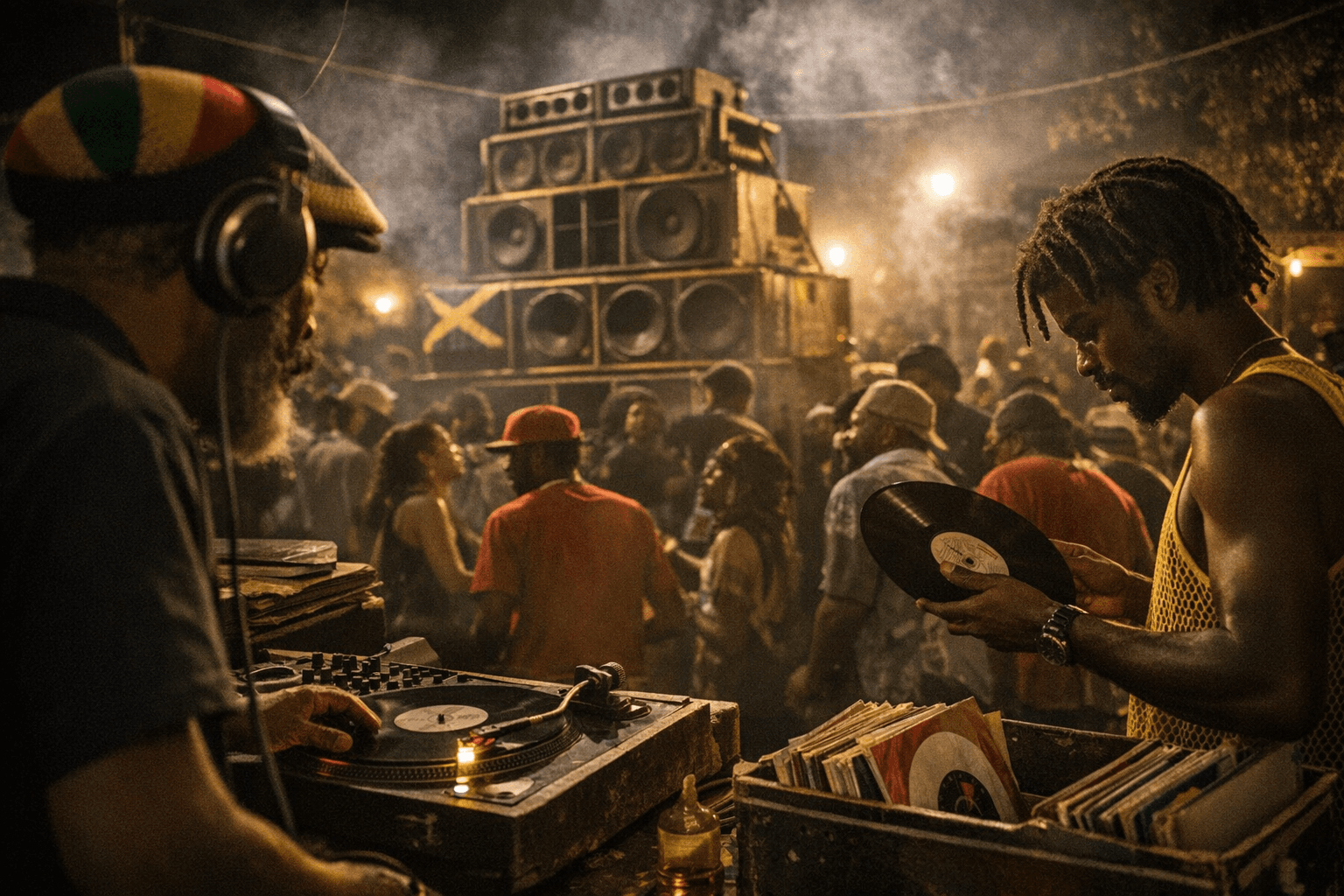
If recreating a bass-forward rig at home, invest in a dedicated subwoofer and a small PA and learn to EQ: cut midrange frequencies, boost the low end gently and avoid overdriving the cabinet. For playback, prefer analogue turntables with a good cartridge, clean stylus and correct anti-skate for single playback. For archive work, digitize dubplates and rare singles with a high-quality ADC, tag metadata cleanly and keep off-site backups to preserve provenance and sound quality.
Listen to King Tubby dubs, Lee Perry productions and classic selectors to internalize the language of dub FX and riddim construction. Join forums and local dub/reggae groups, follow reissue labels and support soundsystem nights to keep the culture alive. Respect the music’s roots, handle records and reels carefully, and bring that knowledge back into your crate and your sessions, feel the bass, learn the selector’s cues, and let the dubwise tradition inform what you collect and play next.
Know something we missed? Have a correction or additional information?
Submit a Tip