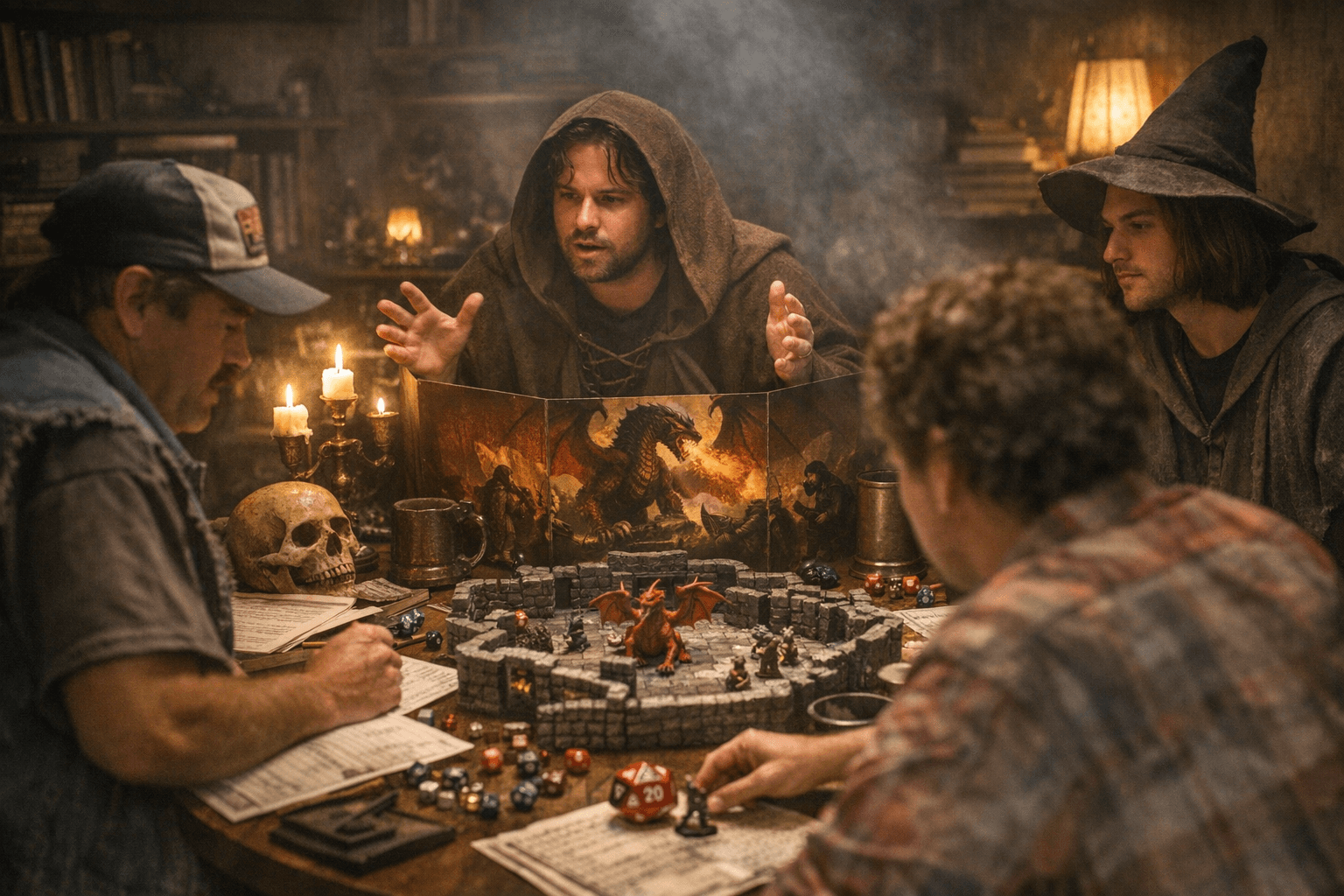
How modern D&D adventures lost dungeoncraft and how to fix it
A practical essay on how rulebooks sidelined dungeon-running skills and how DMs can restore them with prep, boxed text, encounter design, and non-combat engagement.
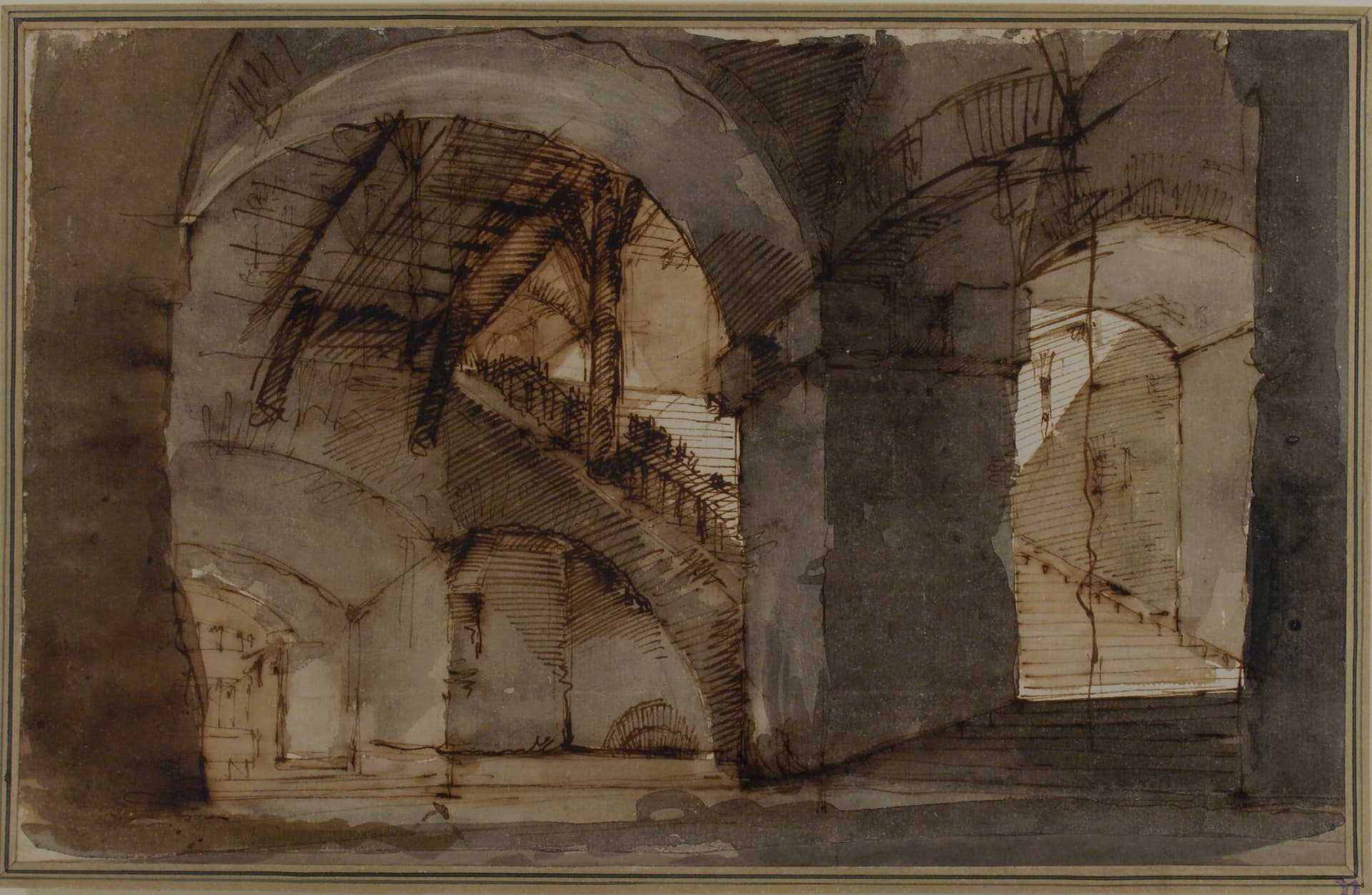
Modern Dungeons & Dragons products have steadily moved away from teaching DMs the hands-on craft of running dungeons, leaving many tables to relearn basic running skills on the fly. That drift matters because managing physical space, pacing exploration, and resolving the inevitable social and structural problems at the table are skills you need to keep play coherent, fun, and fair.
Start with how you prepare a dungeon space. Key areas for play should be keyed not as flavor dumps but as playable scenes. For each room note the mechanical hooks, the sensory lead, and the likely player choices. Mark which details are scene-setting, which are actionable, and which trigger rolls. Treat lighting, sight lines, and vertical movement as mechanical factors: stairs and ledges change tactics, shadows alter perception checks, and narrow corridors shift the value of area-of-effect spells. Leave intentional spaces for rests, resource management, and social beats so the space supports pacing instead of punishing exploration.
Boxed text works when it does one job: snap players into a scene. Use short, second-person phrasing and focus on a single hook or sensory image. Read a sentence or two, then stop and let players react. Long passages slow the table and invite disengagement. Reserve boxed text for moments you want everyone to share the same mental picture, approaching a temple, stepping into a cavern, or finding a body with a clue.
Design encounter variety around player objectives, not just challenge ratings. Mix exploration, skill usage, social negotiation, and combat in each session. Encounters should present multiple ways to succeed: a locked door can be picked, bypassed, bribed, or blasted. Use environmental features that reward creative problem solving and let skillful players shine without turning non-combat options into trivialities. Staggering stakes and resource costs keeps both tactical fights and exploratory moments meaningful.
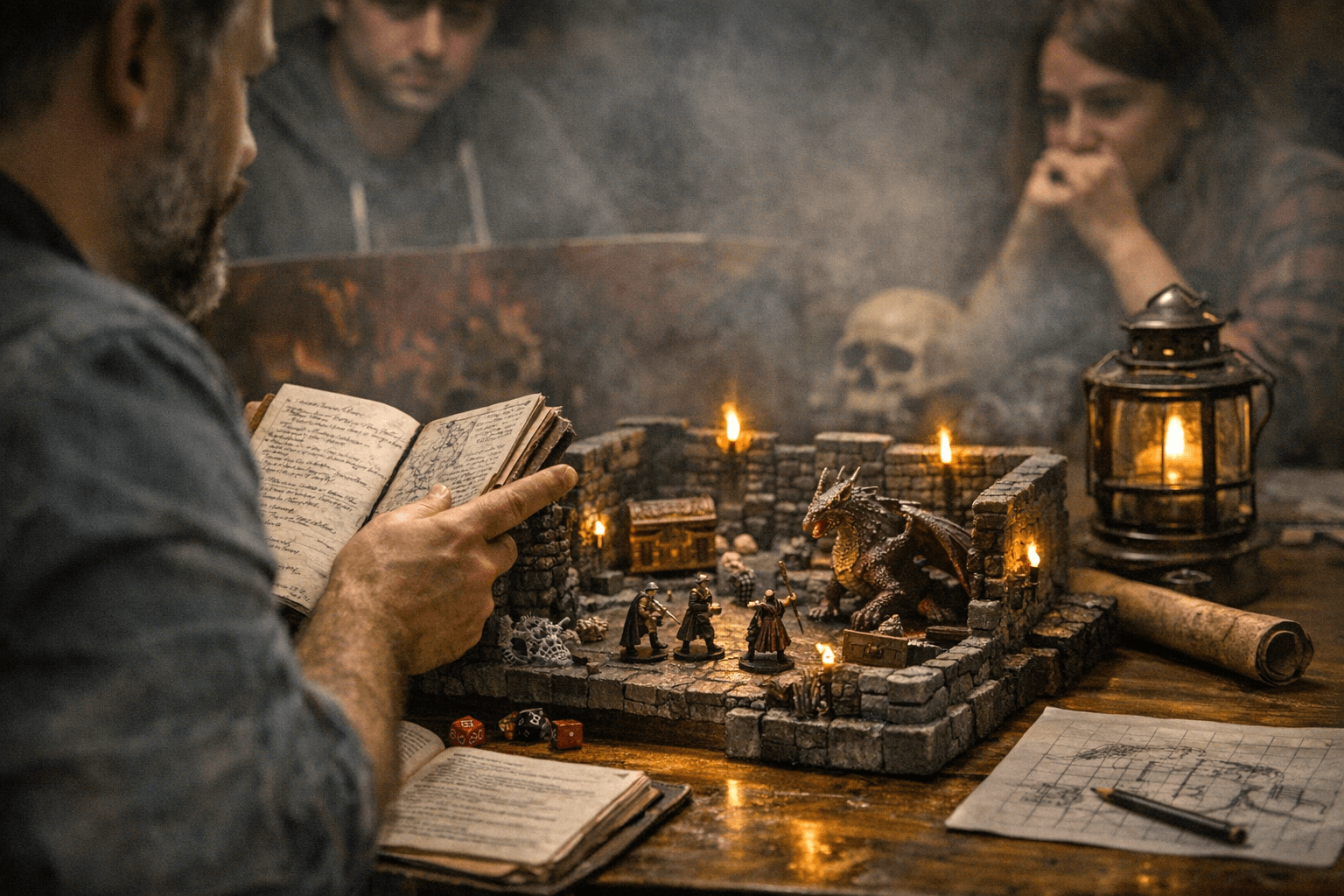
Balance simulation and narrative with clear adjudication rules. Roll when uncertainty or character skill matters. Narrate when the scene advances the story and no one’s choices hinge on the outcome. Use secret rolls and passive checks to preserve player agency without constantly pulling attention away from table talk. Keep rulings consistent across similar situations to maintain trust and avoid the sense of arbitrariness.
Help players engage with non-combat content by spotlighting consequences and rewards. Make social interactions have clear stakes, tie exploration to tangible progress, use time pressure sparingly to create urgency, and bring NPCs with agendas into contact with player goals. When players see that skills, roleplay, and curiosity produce tangible returns, they invest more in those parts of the game.
These practices recover the core of dungeoncraft: readable spaces, playable keys, and adjudication that serves story and fairness. Apply them at your next prep sprint, iterate with player feedback, and watch exploration and social play become as rewarding as any tactical showdown.
Know something we missed? Have a correction or additional information?
Submit a Tip