Stage Live Dungeons & Dragons Shows, From Design to Technical Execution
A production-first playbook for staging one-shot or mini-arc D&D shows, with design, tech, staffing, rehearsal and audience tips you can use now, March 8, 2026.

If you want to put a Dungeons & Dragons one-shot or mini-arc onstage for a public audience, treat it as a short theatrical production not a casual game night. This guide, written for DMs, actual-play groups, convention organizers and community producers, lays out the creative design and technical execution you need to hit a clean, repeatable live show; it reflects what I learned running multiple public runs and an early demo tied to API milestone updates and merch drops.
Creative brief and show format Start by defining what the audience buys: a 60- to 90-minute story with clear stakes and a tight cast. Decide immediately whether the show is a single one-shot or a multi-show mini-arc, because that choice drives script pacing, rehearsal cadence, and ticketing. A one-shot needs a hook that resolves in one sitting; a mini-arc requires continuity beats and a plan for how to onboard new audience members mid-run. Put that decision in your production brief and share it with everyone on day one.
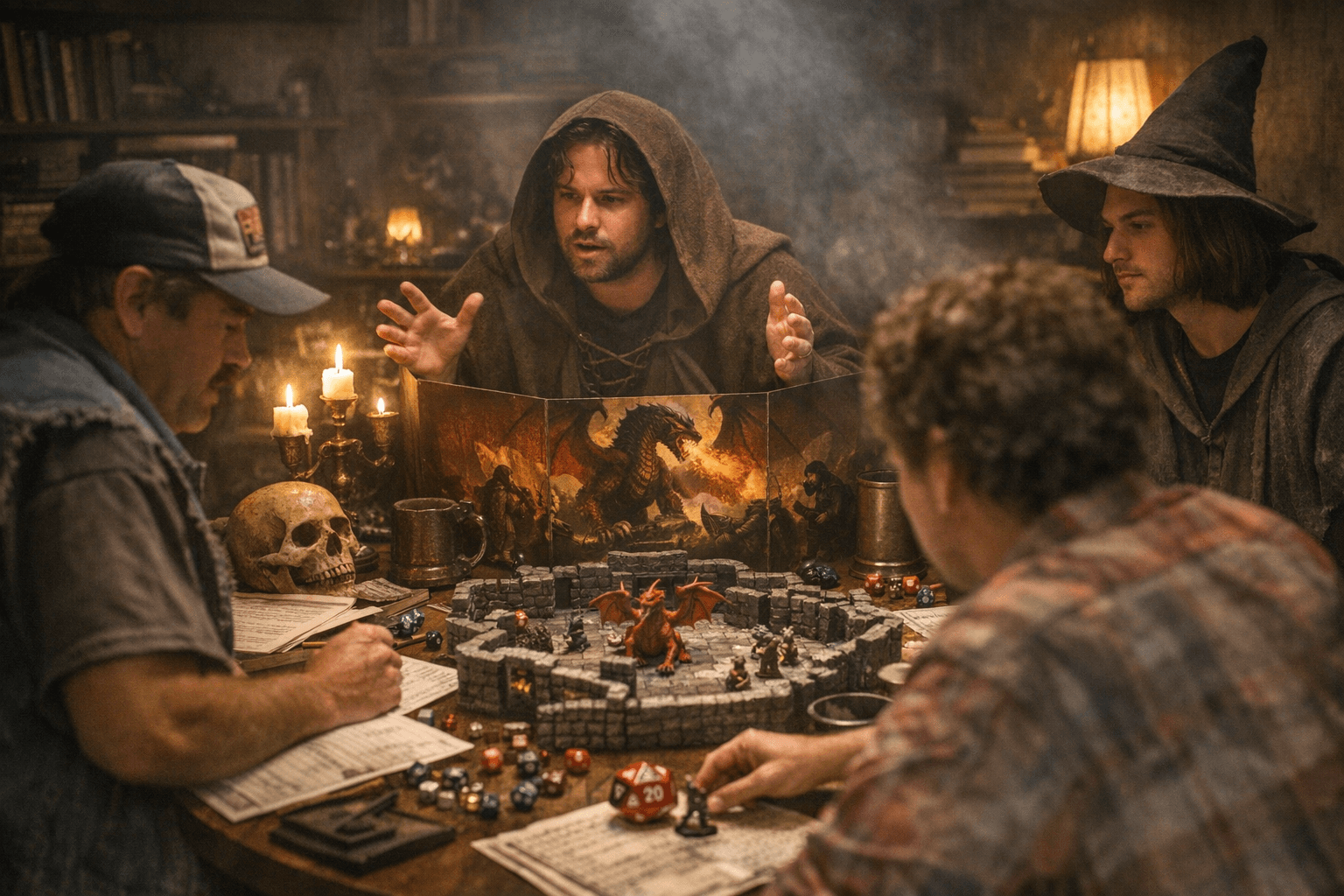
Player selection, character prep and safety Cast players who can perform under lights and on a mic. I favor three to five players plus a GM; fewer than three risks slow pacing, and more than five fragments spotlight time. Require written backstories and one-page character sheets so actors can memorize beats; for actual-play performers, rehearse lines for critical scripted moments while leaving room for improvisation. Use standard safety tools such as lines and veils during scenes with mature themes, and include content warnings on the event page so buyers know what to expect.
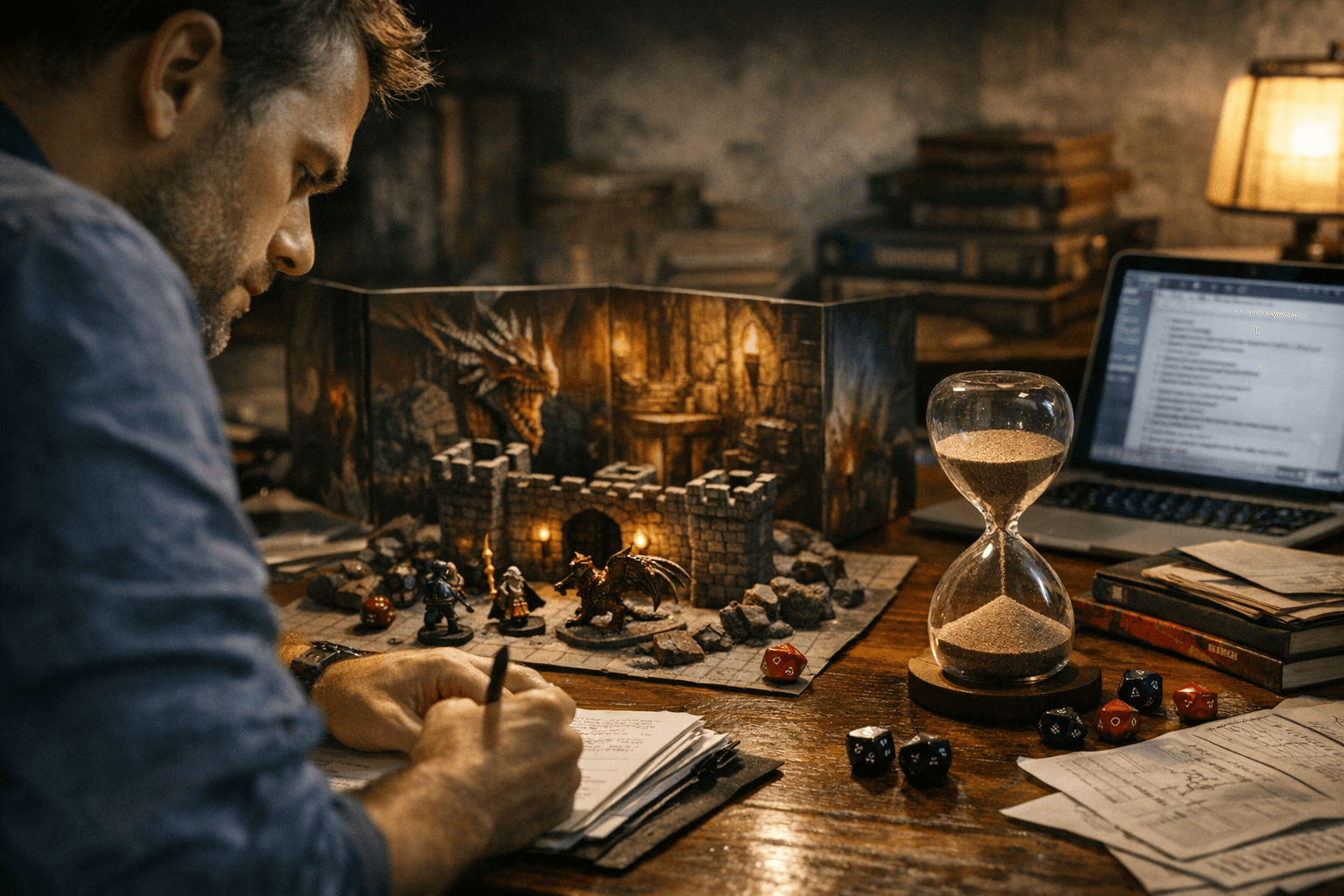
Plot architecture and stage script Write a show bible that splits content into beats tied to timing: Act A (setup, 20-25 minutes), Act B (complication, 25-35 minutes), Act C (resolution, 15-30 minutes). Include exact encounter triggers, NPC one-liners, and contingency beats for when players wander. I map every die roll that could derail a 90-minute show and pre-write two fallback scenes to keep momentum. Treat the stage script like a theater script with stage directions, not just a DM note file.
Set design, props and physical flow Design sets that communicate location quickly and change in 60 seconds or less between scenes. Use flats, modular risers and two or three signature props that read on camera and from the house. I recommend a single large focal prop, such as a 4x2 foot rune table with LED accents, and small handheld props for each player. Make prop handoff choreography part of the run sheet; assign a stagehand to each actor to avoid delays.
Lighting for stage and camera Lighting must serve both the live house and any camera feeds. Build four zones: house wash, actor key, backlight and practicals. Program three cues per scene for intensity and color temperature; keep transitions short to avoid long blackout waits between beats. If you plan to include a live stream or projection, reserve a camera light that the director can solo without changing the house wash.
Audio fundamentals Don't rely on venue board ops to solve cast mics. Rent or provide wireless lavalier mics for each player plus a shotgun for the GM; use a static handheld wireless as a backup. Run a dedicated audio rehearsal where you walk the stage in costume, because body position changes microphone levels. Route feeds so the FOH mix covers the audience and a separate broadcast mix handles stream levels and any pre-recorded music cues.
Projection, graphics and visual storytelling Projectors and LED panels are the fastest way to convey scene shifts without heavy set changes. Create a library of still assets and short loops keyed to your stage script. Use a simple show control app or media server to trigger visuals by cue number; if you have a technical lead, integrate those cues with audio and lighting to keep timing tight. For a one-shot, limit yourself to five to seven unique environments to avoid visual overload.
Timing, run-of-show and cueing Write a detailed run-of-show that lists every cue: lighting, sound, projection, VFX and prop handoffs. Rehearse with the full run-of-show twice before public performance, and run a tech rehearsal with full costume and mics the night before. I use a printed cue sheet on clipboard, and the stage manager calls cues in a two-part sequence: cue prepare, cue go. If you are integrating API-driven overlays or remote content, schedule a dry run to test latency and fallback states.
Staffing chart and roles Staff efficiently: you need a stage manager, A1 audio, A2 headset for mic changes, lighting operator, projection/graphics operator and two roving stagehands. For community shows, you can combine roles, but never have the GM double as stage manager during performance. Post a concise contact list with radio channels and a backup plan if a staffer no-shows.
Technical redundancy and rehearsals Expect tech to fail; the fix is redundancy and rehearsed fallback. Have spare lavs, at least one wired handheld, duplicate media drives with visuals, and a printed script for when the projector drops. Schedule two full tech rehearsals and a final dress, because the first real audience will amplify every unpracticed transition. Test the broadcast or API integrations as early as possible; when I ran an API milestone demo update, I found one plugin introduced a three-second delay that changed the timing of a key reveal.
Merch, tokens and monetization Decide early if you will sell merch or digital tokens. A limited run of per-character keepsakes, such as a coin or a 20th Anniversary Token for special shows, sells well when pre-announced. If you plan a digital drop or a tokenized reward, coordinate the mint schedule with promo dates and the show timeline to avoid confusing attendees. Keep fulfillment simple: sell pre-orders at checkout and offer pickup at the merch table to avoid lines.
Accessibility, safety and venue requirements Confirm sightlines, wheelchair access and language accessibility with the venue. Provide large-print or projected captions for dialogue-heavy beats, and list content warnings on tickets. For stunts or simulated combat, hire a fight choreographer or remove risk by using sound effects and lighting instead of contact choreography.
Promotion, tickets and metrics that matter Promote with concrete details that convert: run length, cast names, number of shows and merch drops. Include the show date as soon as it is locked; if the event date is unknown, announce pre-sales or a waitlist. Be aware of the engagement problem: 100 percent of readers only view without sharing or commenting, so make share hooks explicit, such as a named guest performer or a limited-edition token drop.
Final thoughts and a production checklist Treat a stage D&D show as a short-run production that requires a 4- to 8-week timeline from concept to first public night when you are producing from scratch. Build a show bible, lock format (one-shot or mini-arc), staff your tech core, rehearse cues thoroughly and plan merch/token timing around promotional milestones. Execute those elements with discipline and the audience sees a seamless adventure.
Keep your final decision list with you at every rehearsal: show format, cast list, run-of-show, tech backup plan, merch plan and legal waivers. Produce with that checklist and your show will feel like theater, not a game night. My last public run, staged around an API demo and a small merch release, sold out its two-night run because the production values matched the storytelling; plan for that parity and your show will hold up under lights.
Know something we missed? Have a correction or additional information?
Submit a Tip