How Nest’s thermostat sparked the smart-home revolution
Nest made the thermostat the first truly mainstream smart-home device, but support cuts and device lockouts show how fragile connected-home trust can be.
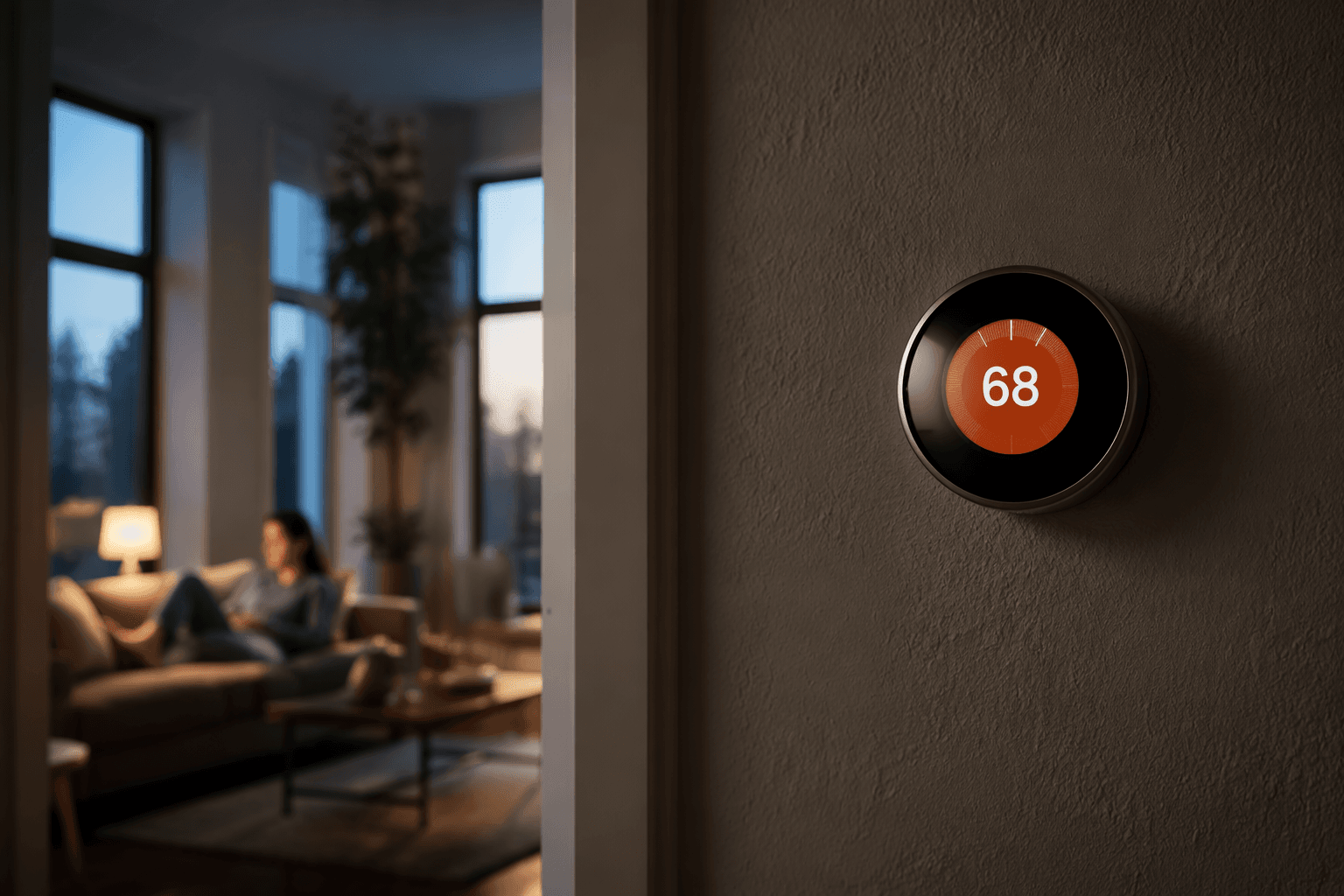
Nest’s thermostat changed the smart-home story by making a dull wall device feel like software, energy policy, and design all at once. Tony Fadell, who had already helped shape the iPod and iPhone at Apple, founded Nest Labs in 2010 after frustration with outdated thermostats while building a home in Tahoe, and the first Nest Learning Thermostat arrived in 2011 as a new kind of household computer.
From gadget to flagship
The thermostat mattered because it sat at the center of a very ordinary problem: heating and cooling the home without wasting money or effort. Nest did not enter the market as a novelty accessory; it entered as the thing most homeowners already touched every day, but almost never liked using. That made the product an easy proof point for a broader claim, that the home could be simplified through sensors, software, and automation.
Google embraced that argument quickly. It later said Nest thermostats had saved 200 billion kilowatt-hours of energy since 2011, using its own calculations based on Nest Thermostat usage from 2011 to early 2026. The company also framed the first Nest Learning Thermostat as a catalyst for an entire smart-home industry, turning one product category into a template for the connected house.
Why the thermostat won first
The original Nest Learning Thermostat was not the first connected device, but it was among the first to feel like an everyday purchase rather than a hobbyist upgrade. A thermostat is visible, repeatable, and tied to a recurring utility bill, which gave Nest a clearer value proposition than many early smart-home devices. In practical terms, it promised convenience by learning schedules and promised savings by reducing unnecessary heating and cooling.
That combination helped Nest cross from design object into a platform story. The company said the thermostat was on millions of walls in millions of homes by the time the third-generation model arrived in 2015, a scale that made it easier for Google to treat the product line as infrastructure rather than a niche gadget. Once a thermostat reaches that many homes, the smart-home pitch stops sounding futuristic and starts sounding like a mass-market behavior change.
The platform bet went beyond temperature
Nest did not stay a thermostat company for long. In October 2013 it introduced Nest Protect, a smart smoke and carbon monoxide detector, widening the brand from energy management into home safety. That move mattered because it showed the logic of the smart home at its strongest: one company using connected hardware to collect more points of control inside the house, from climate to alarms.
Google moved in fast. On January 13, 2014, it announced it would acquire Nest Labs for $3.2 billion in cash, then closed the deal on February 7, 2014. The acquisition gave Google a consumer-facing hardware platform at a time when the broader industry was still trying to decide whether the smart home would be led by phones, voice assistants, or appliances.

The promise of interoperability and the limits of it
The modern Nest pitch leans on interoperability and intelligence as much as on sleek hardware. Google added Matter support, AI-powered energy savings, and HVAC health monitoring to the fourth-generation Nest Learning Thermostat, announced on August 6, 2024. It launched in the United States at $279.99 and in Canada at $379.99, with availability starting August 20, 2024.
Those features reflect how the smart-home market matured. Matter is supposed to make devices work more smoothly across ecosystems, while AI-based energy management and HVAC monitoring push Nest deeper into the business of making home systems more efficient and more legible to users. In other words, the thermostat has evolved from a single-purpose controller into a node inside a larger management system.
When software support becomes the product’s weak point
The same connected features that made Nest useful also made it vulnerable. In 2026, a class-action lawsuit alleged that Google “bricked” first- and second-generation Nest Learning Thermostats after ending software updates in October 2025. The complaint said users could still adjust temperatures manually, but they lost mobile control and premium smart features, which cuts directly against the original promise of a device that should grow smarter over time.
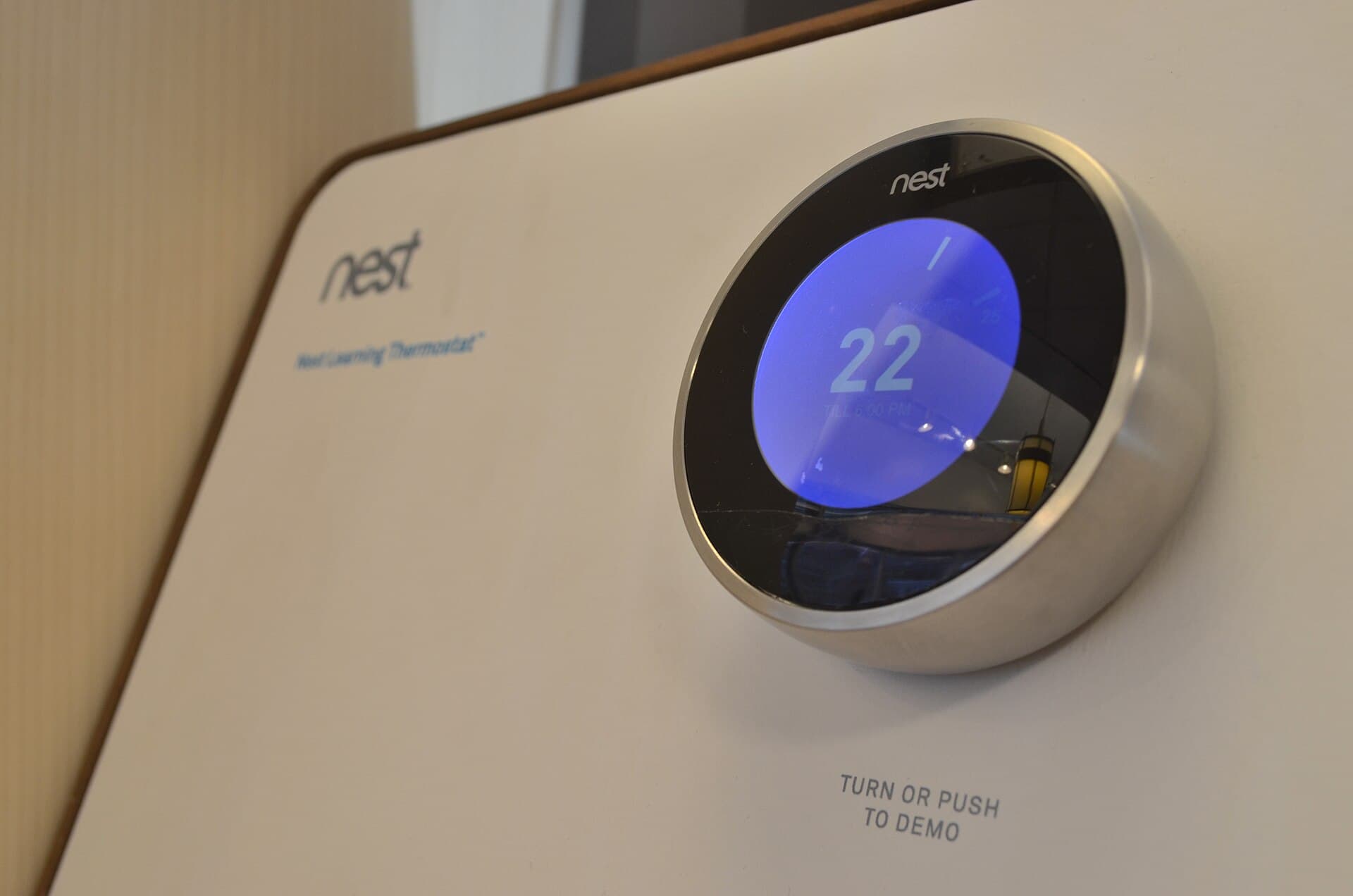
That allegation exposes the core tension in the smart-home market. A thermostat can help save energy, streamline routines, and coordinate with a larger platform, but only as long as the company behind it keeps the software alive. Once support ends, a product sold as intelligent can become a stripped-down appliance with its best features locked away.
What Nest says about the smart-home era
Nest’s rise shows why the thermostat became the flagship device of the smart-home revolution: it was useful, familiar, and easy to connect to a measurable outcome, especially energy savings. The company’s own history runs from Fadell’s Tahoe frustration in 2012, to the 2011 launch, to a broader hardware line in 2013, to Google’s $3.2 billion acquisition in 2014, and then to a 2024 product refresh built around Matter and AI.
The hard lesson is that consumer trust now depends on maintenance as much as invention. Nest sold the idea that software could make the home simpler, more efficient, and more responsive; the lawsuit over discontinued support shows that the same software can also make household devices feel disposable.
This article was produced by Prism’s automated news system from verified source data, official records, and press releases, then run through automated quality and moderation checks before publishing. The system is built and supervised by the people who set the standards it runs under. Read our full AI policy.
Did this article answer your question?