NASA launches first robotic rescue mission to save aging Swift telescope
NASA is spending $30 million on a robotic lifeline for Swift, a 22-year-old telescope racing toward reentry in fall 2026. The rescue could keep its burst-hunting science alive.
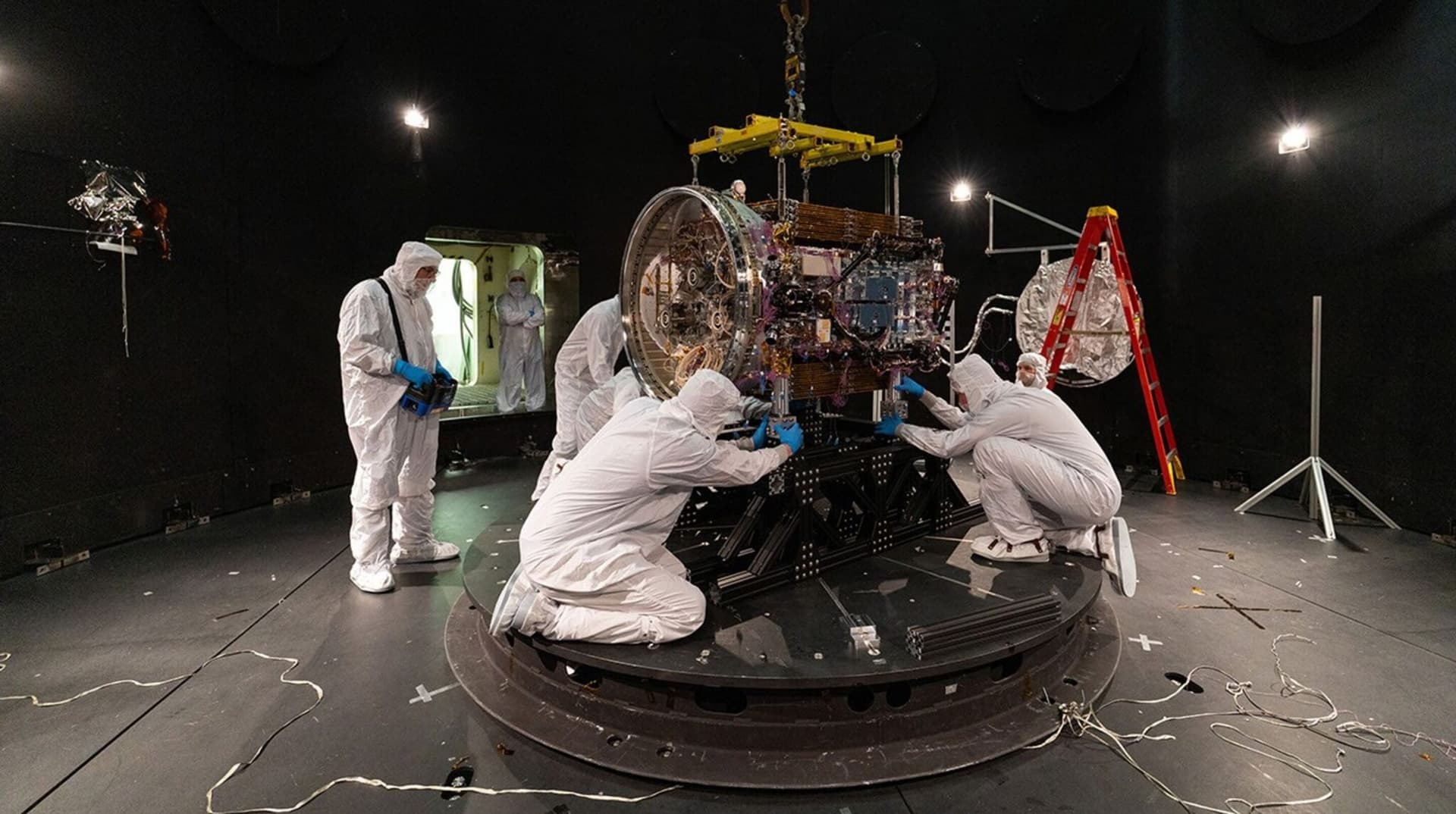
NASA is spending $30 million on a robotic rescue to keep the Neil Gehrels Swift Observatory in orbit, betting that a small commercial spacecraft can do what Swift was never built to do: let it survive long enough to keep observing the universe. If the mission fails, the 2004 telescope is on track to reenter Earth’s atmosphere in fall 2026, ending a science run that has helped track gamma-ray bursts and other cosmic events for more than two decades.
The rescue spacecraft, called LINK, is scheduled to launch June 30 aboard a Northrop Grumman Pegasus XL rocket from Kwajalein Atoll. NASA has contracted Katalyst Space Technologies of Flagstaff, Arizona, to build and fly the robotic servicer, which the agency says was completed in under a year after the contract was awarded in late 2025. The plan is for LINK to rendezvous with Swift, capture the observatory and raise it to a higher orbit over several months.
Swift’s urgency comes from the way its orbit has eroded. NASA says increased solar activity has accelerated atmospheric drag on the spacecraft, pulling it down from its original path and leaving it unstable without intervention. That decay matters because Swift is still an active astrophysics mission, one that watches gamma-ray bursts and other phenomena in visible, ultraviolet, X-ray and gamma-ray light. As its altitude falls, the telescope’s remaining operating life shrinks with it.
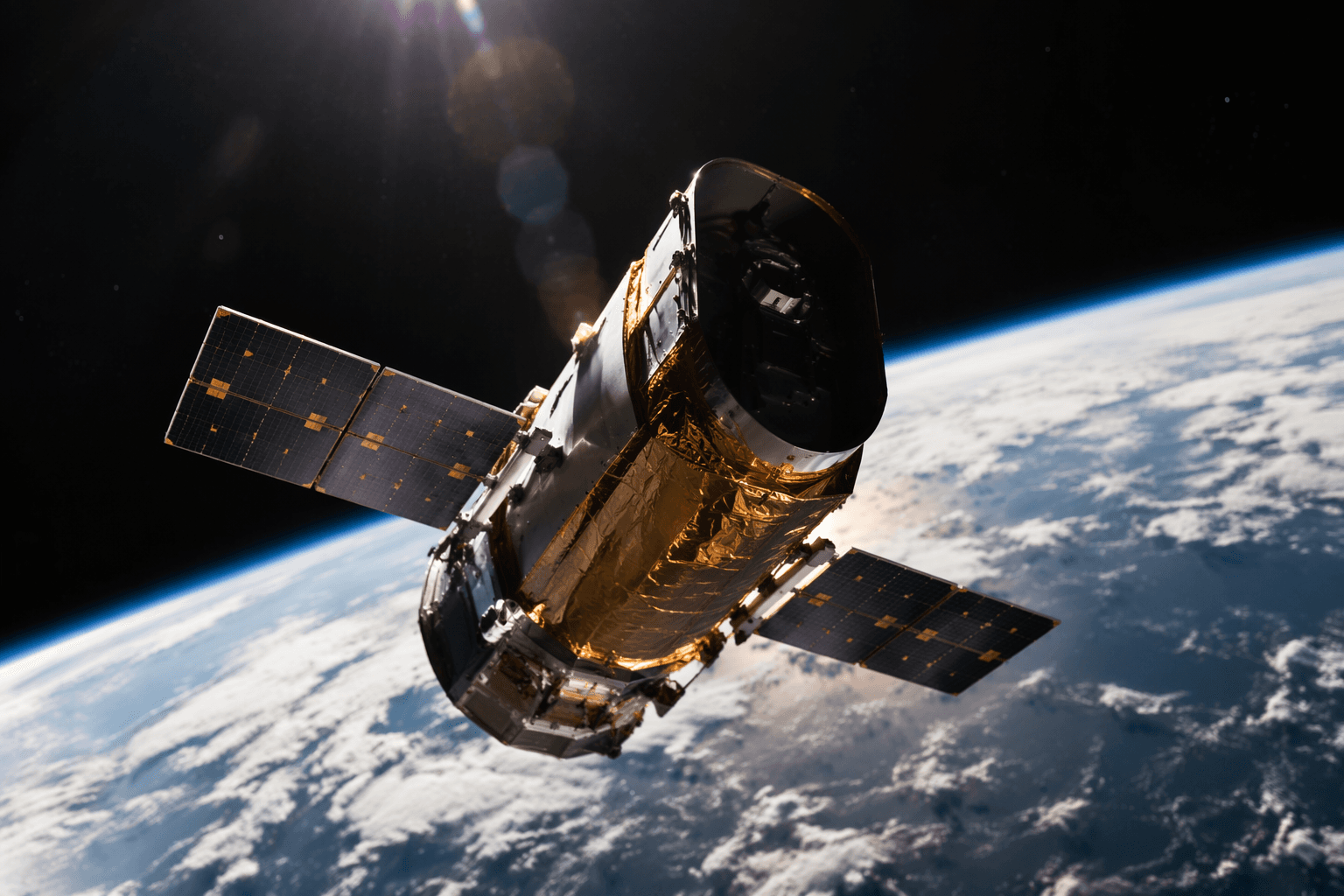
The effort is also a test case for a new category of space operations. Swift was not designed for in-space servicing, and NASA is treating the mission as an unprecedented attempt to use commercial robotics to save an aging satellite instead of replacing it. If LINK succeeds, Swift will not come back to Earth. It will stay aloft and continue gathering data for years longer, extending the science return from a mission that began in 2004 and has already outlived the design assumptions behind it.
For NASA, the stakes go beyond one telescope. The agency is trying to prove that older space assets do not have to become write-offs when their orbits decay, especially as solar activity, launch costs and the growing expense of replacement spacecraft make salvage a more attractive option than starting over.
This article was produced by Prism’s automated news system from verified source data, official records, and press releases, then run through automated quality and moderation checks before publishing. The system is built and supervised by the people who set the standards it runs under. Read our full AI policy.
Did this article answer your question?