How one desktop user made Linux their main PC after Windows 10 support ended
Windows 10’s cutoff pushed one desktop user onto Linux, showing how support deadlines, hardware limits, and upgrade fatigue are widening the case for alternatives.
A personal switch with larger implications
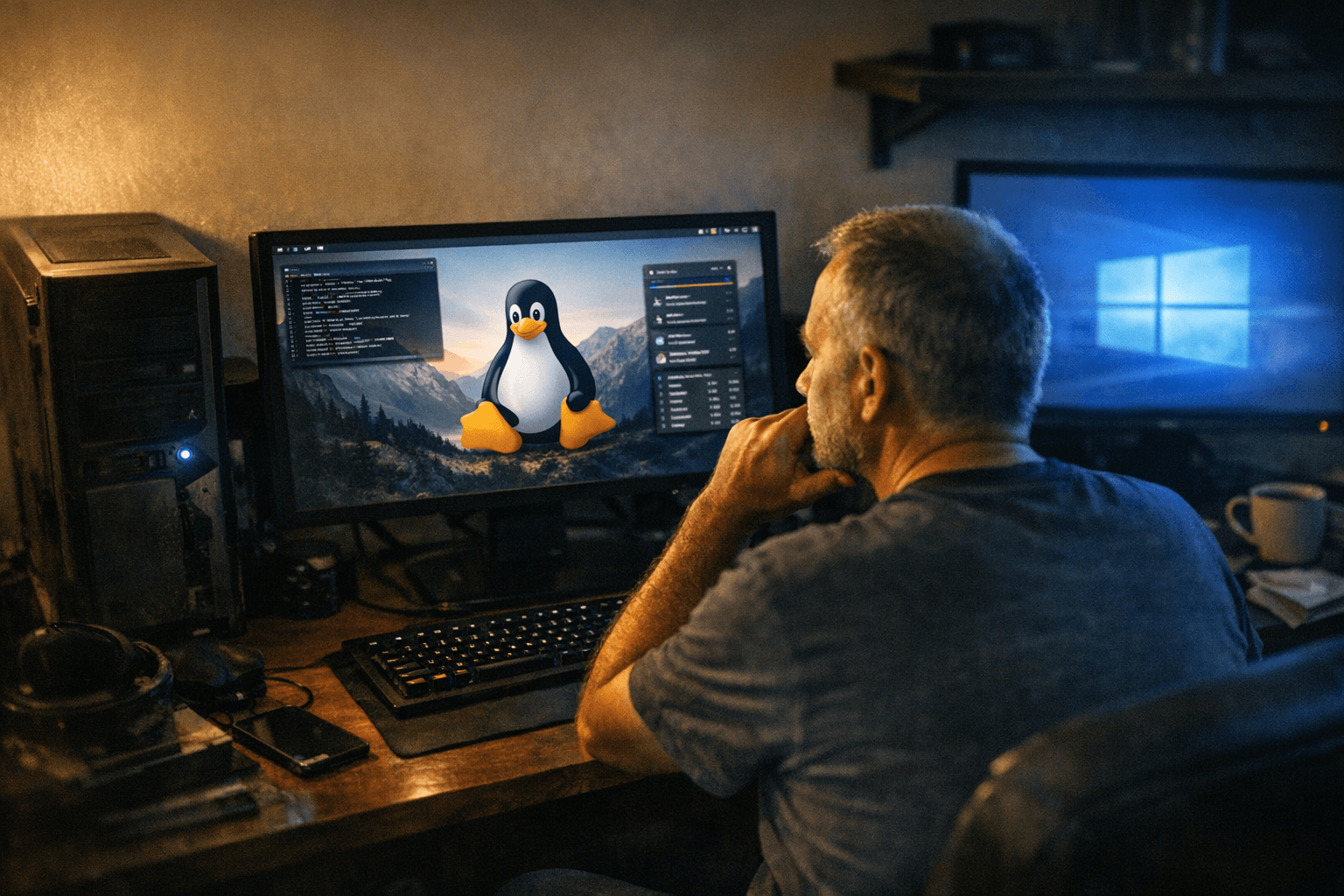
One desktop user turned a long-running promise into a working test case: Linux became the main PC in January, and Windows has been needed only twice since. That makes the story bigger than one person’s preference. It is a real-world check on whether a Linux desktop can carry everyday computing after Windows 10’s support ended and the old default no longer feels automatic.
The timing matters because Microsoft set a hard line. Windows 10 reached end of support on October 14, 2025, and after that date Microsoft no longer provides security updates, feature updates, or technical support for that version. For people whose PCs cannot run Windows 11, Microsoft has pointed them toward either replacement devices or its consumer Extended Security Updates program, which can protect a device for up to one year after the cutoff.
Why the Windows 10 deadline changed the decision
That support deadline is more than a software milestone. It forces users to weigh the cost of replacing a machine that still works against the value of paying for a short extension or moving to a different operating system. For a lot of desktop owners, the real issue is not whether the computer turns on; it is whether the platform still belongs to them on terms that make sense.
That is where Linux starts to look less like a hobbyist detour and more like an answer to vendor-driven obsolescence. If a machine runs well enough for daily work, Linux offers a way to keep hardware in service without immediately buying a new PC or stepping into another paid security extension. In that sense, the Linux switch is not just about software taste. It is a response to the pressure created when support ends but the hardware still has life left in it.
What the broader market says about that choice
The desktop market is still overwhelmingly Windows territory, but Linux is no longer invisible. StatCounter tracks desktop operating-system market share using data from more than 3 billion monthly page views, and its chart, updated through April 24, 2026, shows Linux as a small but measurable global desktop player. Windows remains dominant worldwide, yet the presence of Linux on the chart underscores that there is a real audience for an alternative desktop path.
The United States is especially important here. StatCounter data indicates that Linux desktop share in the U.S. crossed 5% in 2025, which is still a minority position but a meaningful threshold. It suggests that the audience for a Linux main-PC story is bigger than the old stereotype of a tiny niche reserved for system administrators and tinkerers. That does not mean mass migration is under way. It does mean the market has enough dissatisfied users to register.
Gaming remains the sharpest practical test
If Linux is going to move beyond a power-user refuge, gaming has to work. Valve’s monthly Hardware & Software Survey is optional and anonymous, but it provides a useful gaming-specific view of adoption, and Linux remains in the low single digits there. That helps explain why gaming compatibility still shapes the conversation for switchers, even when everyday desktop tasks are no longer the hurdle they once were.
The gap matters because gaming is often where platform loyalty is tested most brutally. A desktop that handles email, browsing, documents, and media with little drama can still fail if key games or launchers do not cooperate. That is why Linux adoption can look stronger in general desktop data than it does in gaming data: the day-to-day desktop use case and the gaming use case are not the same market, and they do not move in lockstep.
Fedora shows how fast the desktop Linux world moves
Fedora is a good example of what makes modern Linux more approachable and more demanding at the same time. According to Fedora Project documentation, it ships two major releases every year, targeted for the fourth Tuesday in April and October. That regular cadence gives the desktop a predictable rhythm and shows how quickly the ecosystem evolves.
For a user trying to live on Linux full-time, that pace can be a strength. It means newer drivers, fresher desktop software, and a release cycle that encourages momentum rather than stagnation. But it also means the desktop is not standing still in the way many people assume older operating systems do. Switching to Linux is not a retreat into the past. It is a commitment to a platform that is actively moving, often on a faster schedule than users expect.
What this switch says about consumer fatigue
The larger signal here is not that Linux has replaced Windows. It has not. The signal is that a growing slice of desktop users is willing to test alternatives when support deadlines, hardware checks, and upgrade pressure make the dominant ecosystem feel less like ownership and more like managed access. That is the policy question buried inside the tech story: how much control should a vendor have over the lifespan of a working PC?
Windows 10’s end of support created a clear deadline, but it also exposed a deeper tension in the personal-computing market. Some users will pay for time, some will replace hardware, and some will move to Linux. The desktop user who booted Windows only twice is not proof of a mass exodus. It is evidence that the default choice is no longer unquestioned, and that is how durable shifts in computing begin.
This article was produced by Prism’s automated news system from verified source data, official records, and press releases, then run through automated quality and moderation checks before publishing. The system is built and supervised by the people who set the standards it runs under. Read our full AI policy.
Did this article answer your question?