How one racist decision split a Louisiana family for generations
One Louisiana family was split into Black and white lives by a racist system that outlived the people it sorted, and the rupture echoed for generations.
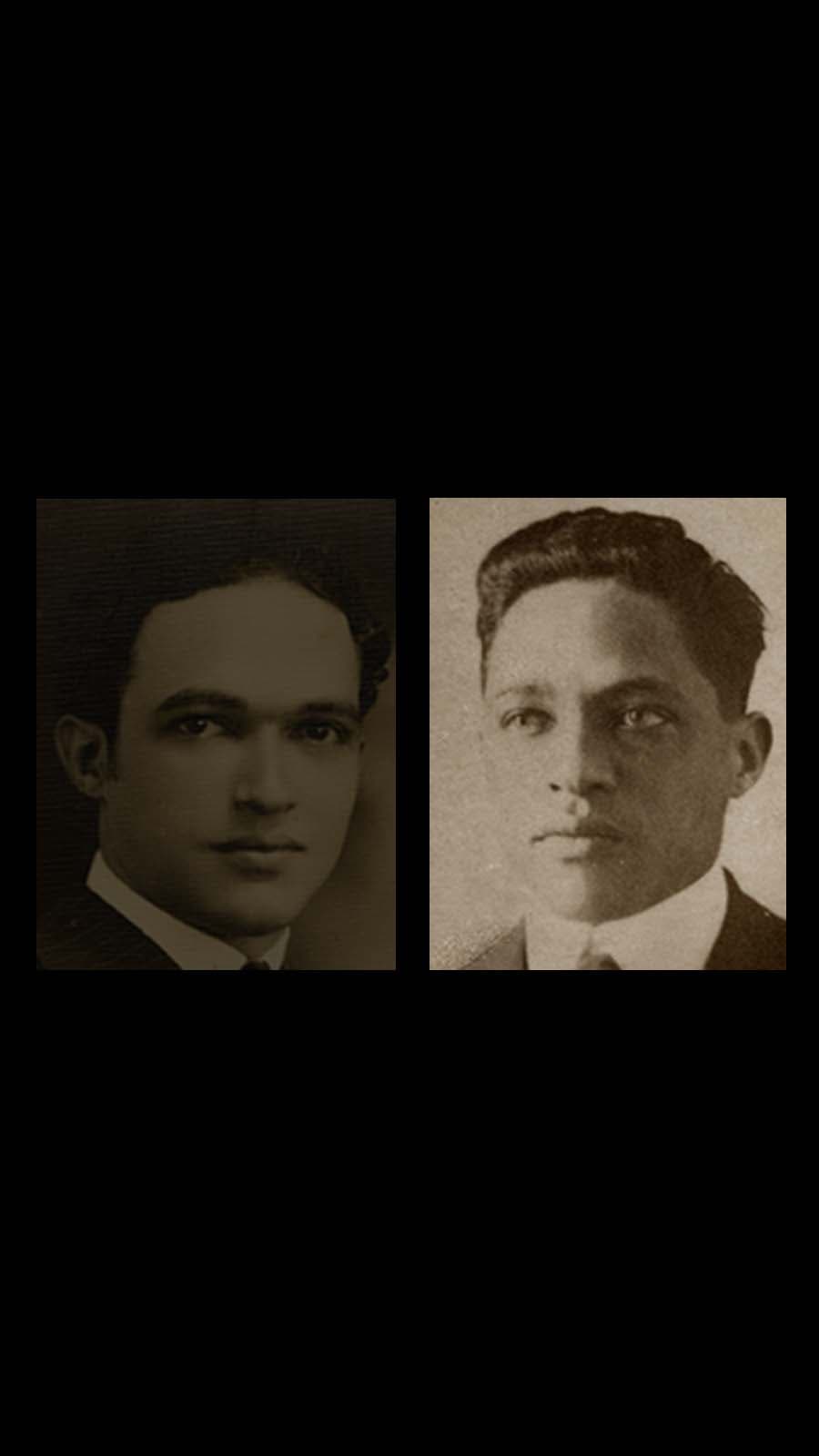
A family divided by law, then by silence
When their mother died, Edward and George DeGrange were sent to an orphanage for Black children in New Orleans. Edward eventually left for Chicago and lived as a white man, while George, whose skin was slightly darker, stayed in New Orleans and rarely spoke of his brother. That split was personal, but it was not accidental. It was the human result of Louisiana’s racial order, a system that made race a legal fact, then enforced it through paperwork, institutions, and generations of fear.
Why Louisiana made this rupture possible
Louisiana’s history matters because the state did not treat race as a simple social label. In early 19th-century New Orleans, before American racial concepts took hold in the newly acquired territory, free people of color formed a large and visible part of city life. They were a legal category with shifting rights and restrictions, and those rights became more limited after Louisiana became part of the United States. Even after emancipation, the old designation continued to shape status, culture, economics, and politics for descendants who inherited the consequences long after the label itself lost legal force.
That is the larger story behind the DeGranges. A family could move through New Orleans carrying a Creole identity, a Catholic record trail, and a set of mixed ancestries, only to be later forced into a stark binary that had little to do with lived reality and everything to do with state power. Louisiana’s race regime did not merely reflect prejudice. It helped create the conditions for estrangement, inheritance disputes, and broken kinship lines that could persist even after the law changed.
The rule that kept reaching into birth records
The one-drop rule gave that system its hard edge. In Louisiana, it remained influential well into the 20th century, shaping how officials read names, ancestry, and appearance on vital records. By 1983, the state finally began repealing the one-drop system, and parents were given more say in how their children were classified on birth certificates. That late change matters because it shows how long the state’s racial logic survived, even as the rest of the country increasingly treated race as self-identification rather than inherited bureaucratic destiny.
This is also why the story reaches beyond one family. Louisiana’s vital records became a mechanism for sorting identity, and that machinery could be used to redraw a person’s life on paper. The persistence of those records meant that a decision made in one generation could follow descendants across decades, changing schools, neighborhoods, marriages, and the social meaning of a surname.
Naomi Drake and the bureaucratic face of racial sorting
No figure better shows the power of that machinery than Naomi Drake, who headed New Orleans vital statistics from 1949 to 1965. She scrutinized generations of birth and death records and changed the race of thousands of people from white to Black, almost never the other way around. Her methods turned genealogy into surveillance, and they made clear that official racial classification was not a passive record-keeping exercise but an active state project.
That history also sits in the shadow of Homer Plessy, another New Orleanian whose name became a national symbol of Louisiana’s racial order. Plessy v. Ferguson upheld a Louisiana law that required separate railway cars for Black and white passengers, giving constitutional cover to segregation for decades. The DeGrange family’s story belongs to the same world of legal arithmetic, where appearance, ancestry, and public record could decide whether a person was welcomed, erased, or exiled from their own kin.
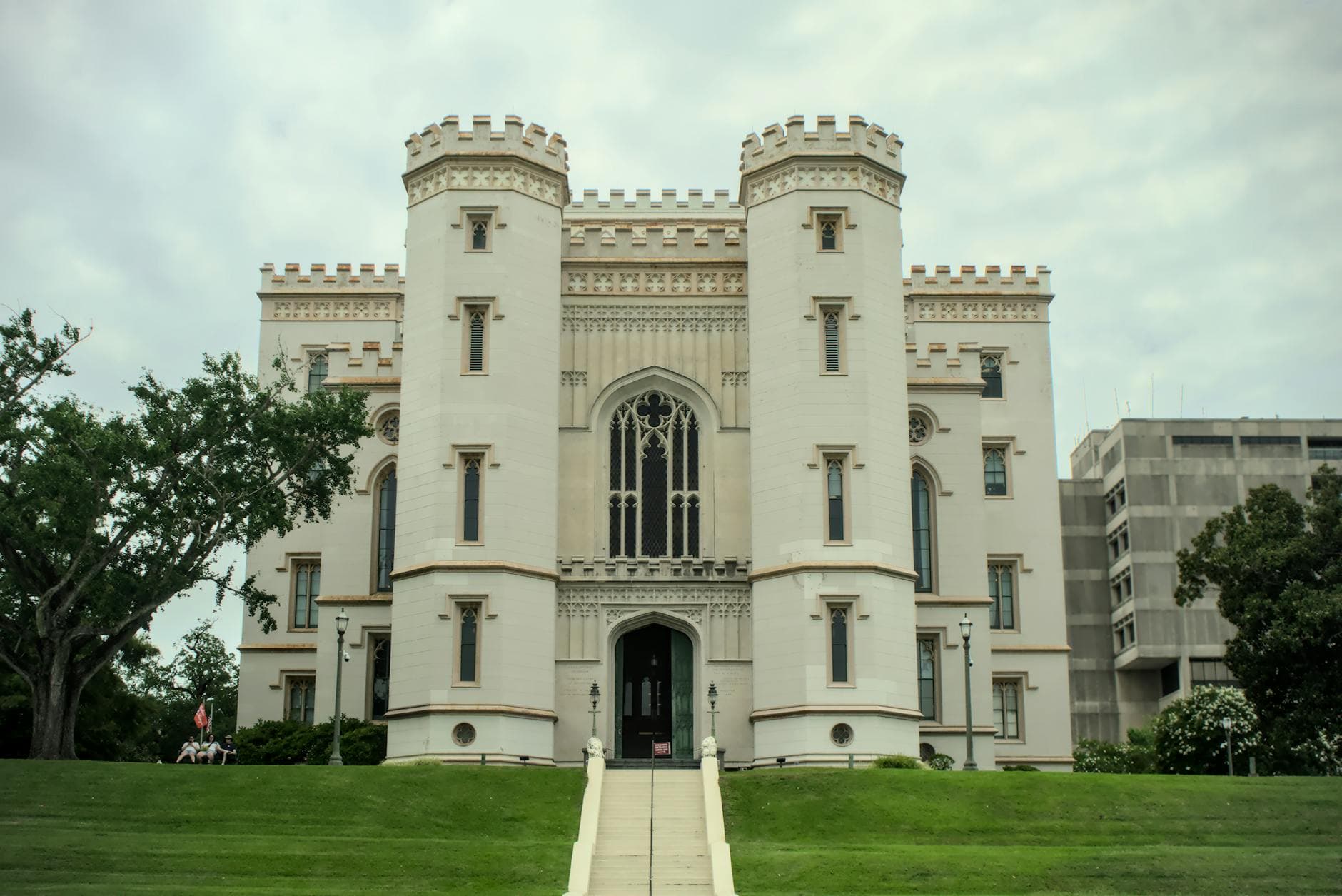
Tracing the DeGrange line through the archives
The DeGrange paper trail runs deep in New Orleans records. Joseph H. DeGrange, the son of James and Isabella N. Mouchon DeGrange, married Ellen McMillan in New Orleans on December 10, 1859, anchoring the family in the city’s old Creole and Catholic records long before later racial classifications hardened around them. That kind of documentation matters because it shows how families that later appeared divided in law were often linked in practice for generations before the state forced a narrower definition of belonging.
For families trying to reconstruct what was split apart, the work now runs through repositories such as the Louisiana Secretary of State Research Library, the State Library of Louisiana, and LSU Libraries. Those collections preserve birth, death, marriage, and family papers that can reconnect lines the state once separated, while the Louisiana Creole Research Association exists precisely because Creole ancestry has so often been obscured, mislabeled, or broken across official records. The point is not nostalgia. It is repair, because the archive is often the only place where kinship survives intact.
Why this story matters beyond one family
The DeGrange history is not an unusual family saga. It is a national warning about what happens when law, bureaucracy, and racism work together long enough to redefine a family’s identity from the outside in. One brother could pass into Chicago as white, another could remain in New Orleans as Black, and later generations could inherit the emotional cost of a classification system that treated blood as destiny. The rules may have changed in 1983, but the damage had already been written into the records, and those records still shape who gets remembered as kin.
This article was produced by Prism’s automated news system from verified source data, official records, and press releases, then run through automated quality and moderation checks before publishing. The system is built and supervised by the people who set the standards it runs under. Read our full AI policy.
Did this article answer your question?

