How restaurant workers can organize and file unfair labor charges
Learn step-by-step how to recognize protected concerted activity, spot employer violations, and file an unfair labor practice charge with the NLRB. Practical guidance for restaurant workers and managers.
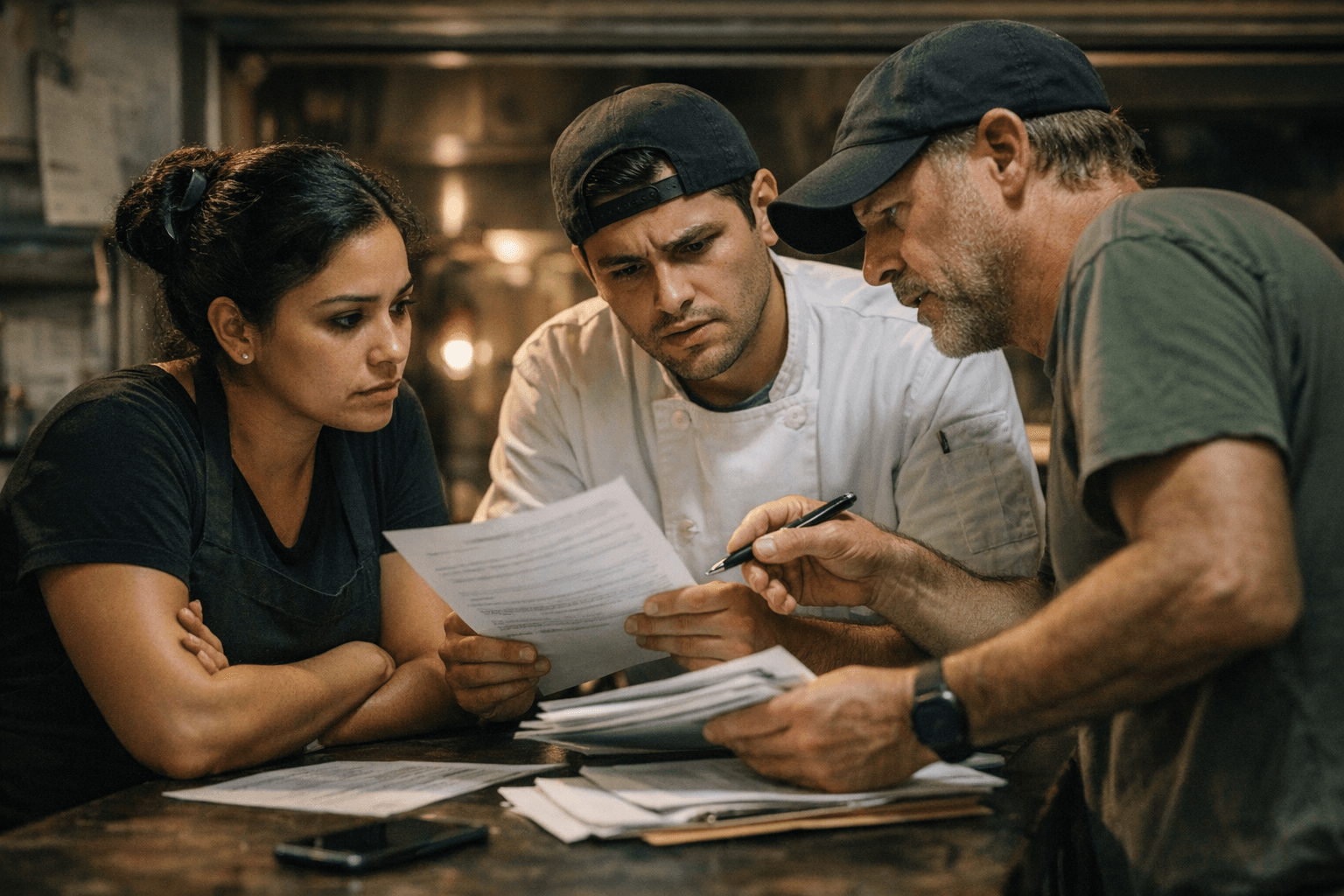
Restaurant crews know the rhythm of a shift: front of house, back of house, tip outs, and the occasional scheduling scramble. When wages, safety, scheduling, or tip policies spark coordinated action, the National Labor Relations Board (NLRB) lays out clear steps for workers to organize, identify unlawful employer responses, and pursue remedies. Use this guide to understand your rights, document problems, and take action.
1. What counts as protected concerted activity
Protected concerted activity covers employees acting together about wages, hours, or working conditions, as well as forming or joining a union and other group actions. In a restaurant, this can include servers discussing tip pools, cooks jointly raising concerns about unsafe equipment, or a group of staff seeking better scheduling. Individual complaints that are tied to mutual aid or group concerns can also be protected if they involve or seek to initiate group action. Understanding this baseline helps workers know when a conversation or coordinated action is legally covered and deters managers from mislabeling lawful activity as insubordination.
2. Common employer violations that may be unfair labor practices
Employers can commit unfair labor practices (ULPs) if they use threats, interrogation, surveillance, promises, bribery, or unlawful discipline to interfere with protected activity. Examples include threatening to fire staff for union interest, interrogating employees about who supports organizing, monitoring union meetings, offering raises or benefits to discourage organizing, or disciplining workers for attending a union meeting. These actions chill collective action and can create a culture of fear on the floor and in the kitchen, undermining trust and inflating turnover, especially costly for restaurants that rely on experienced crews.
3. How to file an unfair labor practice charge
If you believe your rights were violated, the NLRB provides a clear path to file a charge, but acting promptly is important because the Board enforces filing time limits. Start by documenting dates, times, witnesses, and what was said or done; preserve texts, schedules, disciplinary notices, and tip records. Then contact your regional NLRB office or call the Board’s toll-free number to get instructions on filing; regional staff can tell you where to send the written charge and what information to include. Keep copies of everything you submit and note all communications with the employer after you file, this record helps investigators and preserves your options.
4. What happens during NLRB investigations and potential remedies
After you file, the NLRB reviews the charge and may investigate by interviewing witnesses and requesting employer records; if the Board finds merit, it can seek remedies. Remedies can include reinstatement for unlawfully terminated workers and back pay to compensate for lost wages; the Board can also order rescission of unlawful policies or bargaining orders in some circumstances. Investigations and enforcement change workplace dynamics by putting official pressure on employers to correct illegal behavior, and successful remedies can restore jobs and deter future violations, though the process may take time and involve negotiations or litigation.
5. Resources for employers and lawful interactions during organizing
The NLRB provides materials aimed at employers explaining how to lawfully communicate during organizing campaigns and what conduct crosses the line. Managers and owners should train supervisors on what they can say, factual explanations of company policy are permissible, but threats, promises, interrogation, and coercive surveillance are not. Following lawful guidelines reduces the risk of ULP charges and preserves a constructive labor-management relationship; it also keeps the focus on operational issues like service flow and food safety rather than on legal disputes. For managers in restaurants, that means separating legitimate business decisions (e.g., scheduling for coverage) from any actions that could be perceived as anti-organizing coercion.
6. Practical documentation and organizing tips for restaurant workers
Good documentation and solidarity improve outcomes when rights are at stake. Keep a dated log of incidents, save screenshots or text messages, collect witness names, and archive pay stubs and schedules that show patterns relevant to your complaint. Organize with clear goals, wage fixes, scheduling predictability, tip-pool transparency, or safety fixes, and communicate in ways that protect workers while building majority support; conscious, collective approaches are more likely to be protected under labor law. If you decide to file, bring your documentation to the NLRB contact so investigators can act on solid evidence.
7. How these rules affect everyday workplace dynamics
Knowing the NLRB framework changes how staff and managers interact: workers who understand their protections can raise issues without undue fear, and managers who know the limits avoid illegal tactics that escalate conflict. That shift can stabilize staffing, reduce surprise walkouts, and improve morale when employers respond constructively to lawful concerted concerns. Conversely, ignoring these rules can trigger formal complaints, costly remedies, and reputational damage, especially in a sector where word of mouth and local reviews matter.
Practical closing wisdom If you’re thinking of organizing or responding to an employer’s anti-organizing moves, document everything, act as a group when possible, and reach out to your NLRB regional office or the Board’s toll-free line for step-by-step instructions. Knowing the rules doesn’t replace solidarity and clear goals, but it gives you the legal framework to protect your shift, your paycheck, and your job.
Know something we missed? Have a correction or additional information?
Submit a Tip