How Sheffield’s Crucible Theatre became snooker’s most iconic stage
A Sheffield theatre became snooker’s main stage by accident, and the sport made the building matter as much as the trophy. Its closeness, civic symbolism and history give the Crucible a force no larger arena can match.
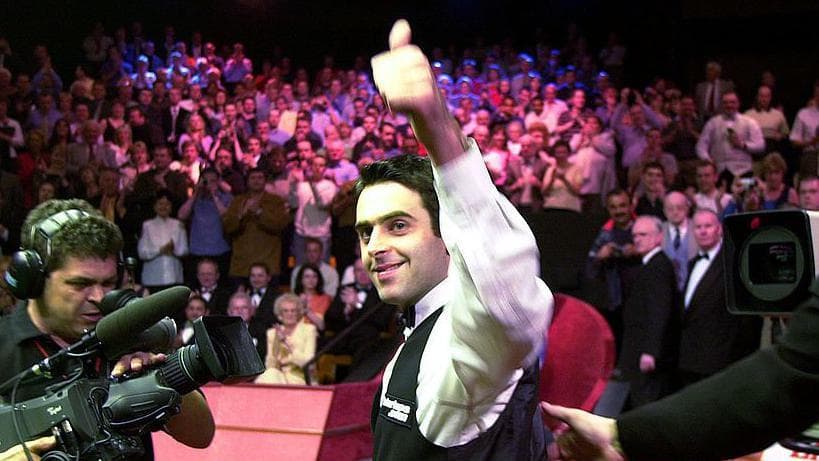
How a theatre became the sport’s centre of gravity
The Crucible did not begin as a shrine to snooker. It was a modern regional arts theatre in Sheffield, a place with a polarising reputation long before cue sport turned it into a global landmark. Yet the collision of building and sport created something rare: a venue that is not just where the World Championship happens, but part of why it matters.
That accident of history is now locked into the game. Since 1977, the World Snooker Championship has been staged at the Crucible every year, and the first champion there was John Spencer. Over time, the theatre stopped being merely a host and became an institution in its own right, one whose identity is inseparable from the tournament itself.
Why the Crucible feels different
The building’s design explains much of its power. The Crucible is a modern theatre with seats on three sides, and the audience is never more than 20 metres from the action. That proximity compresses the drama, turning every long pot, safety exchange and missed frame-ball into something the crowd can feel at skin level.
Snooker is a game of silence, stillness and precision, and the Crucible intensifies all three. A bigger, more anonymous arena might offer more seats, but it would dilute the tension that players and viewers recognise instantly in Sheffield. The theatre’s compact layout creates a pressure-cooker atmosphere that rewards concentration and punishes hesitation, which is exactly why the venue has become so closely associated with the sport’s defining moments.
Records that made the stage famous
The Crucible’s reputation rests not only on atmosphere, but on history written into the scoreboards. Cliff Thorburn made the first maximum 147 break at the venue in World Championship play in 1983, and there have now been 10 maximum breaks there in total. Those numbers matter because they place the theatre at the centre of the championship’s most exacting and celebrated achievements.
The tournament’s reach has also magnified the venue’s status far beyond Sheffield. The World Championship is watched by nearly 500 million people worldwide, which means the Crucible appears on screens across the planet every spring. A theatre originally built for regional culture has become one of the most recognisable sporting stages anywhere, not because it was redesigned for spectacle, but because its scale and shape happened to suit the sport perfectly.
Sheffield’s civic backdrop adds to the theatre’s pull
Part of the Crucible’s meaning comes from where it sits in the city. It stands within Sheffield Theatres, alongside the Lyceum, Playhouse and Montgomery, and it remains an active arts venue as well as a sporting one. That dual life matters: the building still hosts world-class productions, which keeps it rooted in culture rather than frozen as a museum for one event.
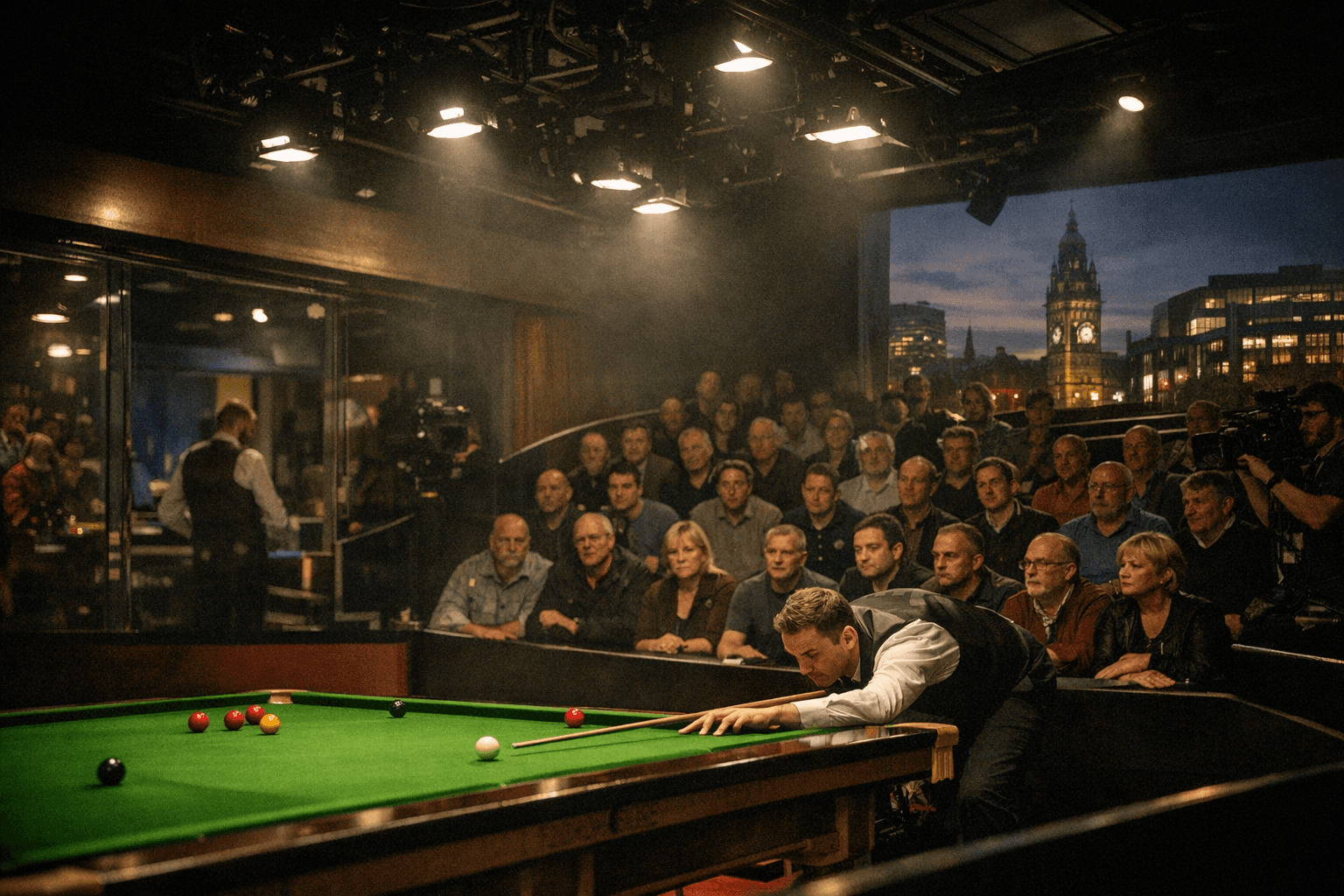
Its setting in Tudor Square, near the Winter Garden, also helps explain why the championship feels woven into Sheffield rather than merely imported into it. In April, the world’s top 16 players walk from the Winter Garden to the Crucible on a carpet, a ritual that turns the city centre into a corridor of anticipation. The effect is subtle but powerful: the tournament spills into civic space, and the city itself becomes part of the ceremony.
A venue people argue about because it still matters
The Crucible’s emotional weight is also visible in the criticism it draws. In 2024, Hossein Vafaei said the venue “smells really bad” and described the practice room as like a “garage.” The complaint landed because the Crucible is not a neutral box to players and fans; it is a place with memories, pressure and expectations attached to every surface.
That tension is part of the story. If the theatre were irrelevant, nobody would care about its shortcomings. Instead, every criticism underscores how much is at stake in preserving a setting that has become symbolic of snooker’s highest standard and fiercest examination.
Why the 2026 agreement matters beyond nostalgia
In March 2026, World Snooker Tour and Sheffield City Council agreed to keep the World Championship at the Crucible until at least 2045, with an option to 2050. The deal confirmed that the sport’s most important event will remain tied to the same compact theatre that has defined it for nearly half a century.
Alongside that commitment came plans for a £45 million redevelopment of the Crucible, with £35 million expected from UK and local government and £10 million from private and philanthropic partners. That investment is important for more than bricks and seats. It signals an attempt to preserve the building’s singular character while improving the infrastructure around it, so the theatre can continue serving both Sheffield’s cultural life and the championship’s global audience.
The Crucible’s future depends on preserving what cannot be replicated
The temptation with famous venues is to treat heritage as sentiment. The Crucible deserves better than that. Its value lies in a precise combination of intimacy, urban symbolism and sporting memory that a larger modern arena would lose almost immediately.
The World Championship needs the theatre’s closeness, the city-centre ritual, and the sense that every frame is being contested inside a place the sport has made sacred by repetition. The Crucible became snooker’s home by accident, but it remained the right home because it gave the game something rare: a stage where the venue is as much the story as the players on it.
This article was produced by Prism’s automated news system from verified source data, official records, and press releases, then run through automated quality and moderation checks before publishing. The system is built and supervised by the people who set the standards it runs under. Read our full AI policy.
Did this article answer your question?