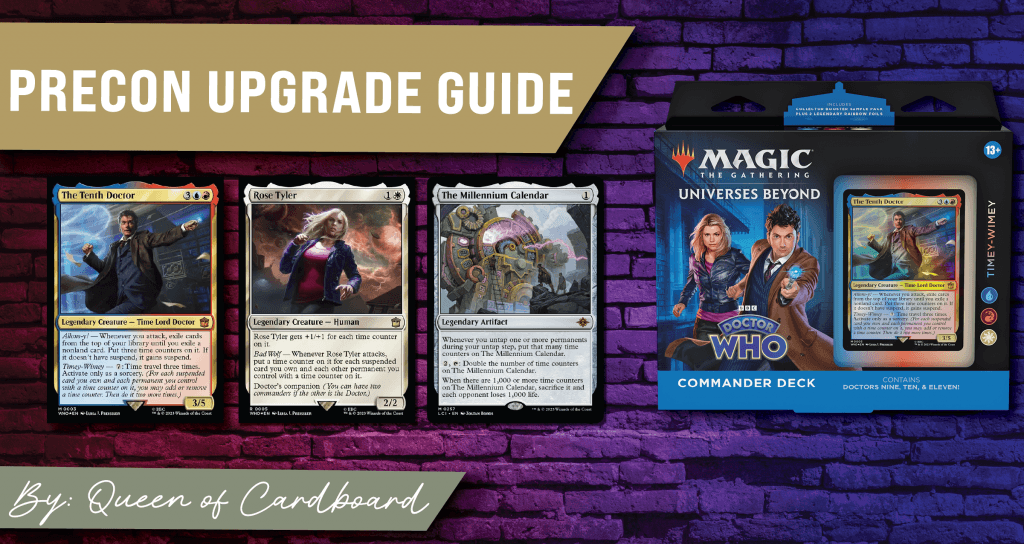
How to Build Strong Commander Decks Using EDHREC and Scryfall
A practical guide lays out a clear workflow for using EDHREC together with Scryfall to build or upgrade Commander decks, showing brewers how to turn site trends into playable, personalized 99 card lists. The guide matters because it helps new and intermediate players make data informed choices without surrendering creativity, and it offers concrete composition and upgrade advice that shortens the path from idea to table.
For players who want to move beyond guessing and get tactical about Commander deck construction, this guide explains how to pair EDHREC data with Scryfall search tools to produce competitive, fun, and coherent 99 card lists. It opens with commander selection as the core decision and then shows how to read an EDHREC commander page. The guide highlights the site sections that matter most to brewers, including top cards by commander, common tags that indicate strategy, synergy lists that show frequently paired cards, and the archetype snapshots that reveal community tendencies.
The middle of the guide turns to practical mechanics. It explains how to use EDHREC s clipboard and public deck lists to assemble a baseline, and how to compare synergy statistics with general popularity numbers so a builder can tell whether a card is a niche synergy piece or a broadly useful inclusion. Scryfall is presented as the complementary research tool to verify printings and confirm card details while curating the list.
Concrete deck composition advice anchors the article. Recommended proportions include a clear focus on ramp, reliable removal, consistent card draw, and a small set of win conditions that the 99 supports. Precon upgrades are described as common starting points, with guidance on which staples to add early and which specialized synergies to incorporate later. The workflow the guide recommends is deliberately simple. Pick a commander, research top cards and tags, curate a 99 that centers on chosen win conditions, then add ramp, removal, and draw. Playtest the resulting list and iterate based on performance.

The guide stresses that EDHREC trends are a starting point rather than a strict prescription, and it targets both new brewers who need structure and intermediate players who want to refine their approach. By combining aggregated community data with targeted card verification and curation, hobbyists can shorten build time, reduce expensive mistakes, and bring more reliable, enjoyable decks to the table.
Know something we missed? Have a correction or additional information?
Submit a Tip