How to Choose Meaningful, Heirloom-Quality Jewelry: Materials, Treatments, Provenance, Craftsmanship
American Gem Society urges shoppers to learn the basics: "You can shop better by taking the time to learn how to buy jewelry," and retailers like Daniel Diamonds show the concrete steps a buyer should expect.
Introduction "People have been wearing jewelry for over 100,000 years," the American Gem Society states, and that long history matters when you are choosing something to pass down. The AGS frames heirloom-quality buying around clear, concrete criteria: assessing materials, understanding treatments and disclosures, identifying maker and provenance, evaluating craftsmanship, and planning for long-term care. With those pillars in mind, this guide walks through the materials, certifications, retail workflows, and industry resources you should use to build a collection that can last generations.
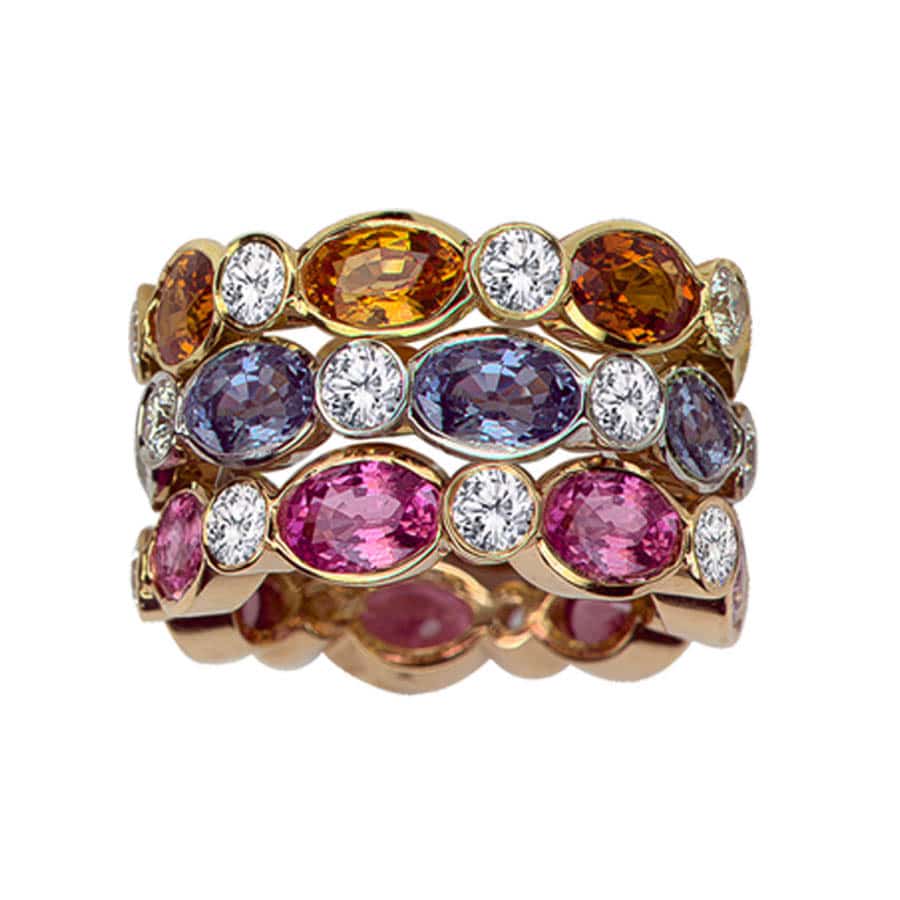
Materials: metals and gemstones Start with the physical components: metals and gemstones determine durability, maintenance, and value. AGS lists "assessing materials (metals and gemstones)" as a core buying criterion, and that means asking for metal karat or alloy information, hallmark stamps, and gem reports for any non-bead stones. For colored gems and diamonds, insist on documentation that spells out identity and any treatments; a gemologist can confirm whether a stone is natural, lab-grown, or a simulant and explain long-term wear expectations.
Treatments and disclosures Understanding treatments is essential to avoid surprises later. AGS emphasizes "understanding treatments and disclosures" as a central criterion, so always request full disclosure in writing. Common treatments—heat for sapphires, clarity enhancement for emeralds, or surface coatings—affect cleaning, repair options, and resale value. When a seller is vague about whether a stone has been treated, treat that as a red flag rather than a marketing opportunity.
Maker and provenance A piece becomes an heirloom not just from its materials but from its maker and story: AGS highlights "identifying maker and provenance" as part of buying heirloom-quality jewelry. For contemporary pieces, ask for maker marks, country of manufacture, and any certificates that trace a stone’s chain of custody. For older pieces, provenance may include receipts, appraisals, or a documented family history. If provenance is central to the price, require documentation rather than taking claims at face value.
Craftsmanship and construction Evaluating craftsmanship is about the small technical choices that determine how jewelry wears over decades. AGS lists "evaluating craftsmanship" as a buying criterion; look for secure settings, soldered joins rather than glued links, uniform prongs, and finished interior edges on rings. Ask whether settings are hand-fabricated or cast, and whether stones are set to allow cleaning access. These are not aesthetic niceties alone: workmanship determines whether a piece will survive everyday use or need continual restoration.
When to call an expert AGS recommends: "feel free to ask an AGS-certified gemologist for help. They may know a lot about metals and gems, but they also know tons about styles and trends." Bring an AGS-certified gemologist into the conversation when a purchase exceeds routine replacement value, when a stone’s description is technical or vague, or when provenance is claimed but not documented. A certified gemologist can validate reports, identify undisclosed treatments, and advise on care that preserves both beauty and future value.
Buying diamonds: a practical retail workflow A retailer’s process should be transparent and predictable. Daniel Diamonds outlines a clear buyer workflow you can expect from a full-service jeweler: 1. Send an email outlining what you want, or say you are unsure so the retailer can guide you. 2. The retailer’s liaison in Israel compares dozens of diamonds to find options. 3. The retailer sends pricing, photos, and all pertinent information, and once you approve the stone they collect a 50% deposit. 4. Upon receipt of the deposit, the diamond is securely shipped from Israel to the dealer’s door. 5. If the diamond is to be set, the dealer proceeds with setting before collecting the balance due and shipping the finished piece to you. That sequence, presented verbatim by Daniel Diamonds, illustrates the checkpoints where you should demand documentation, insurance during transit, and written return or appraisal policies.

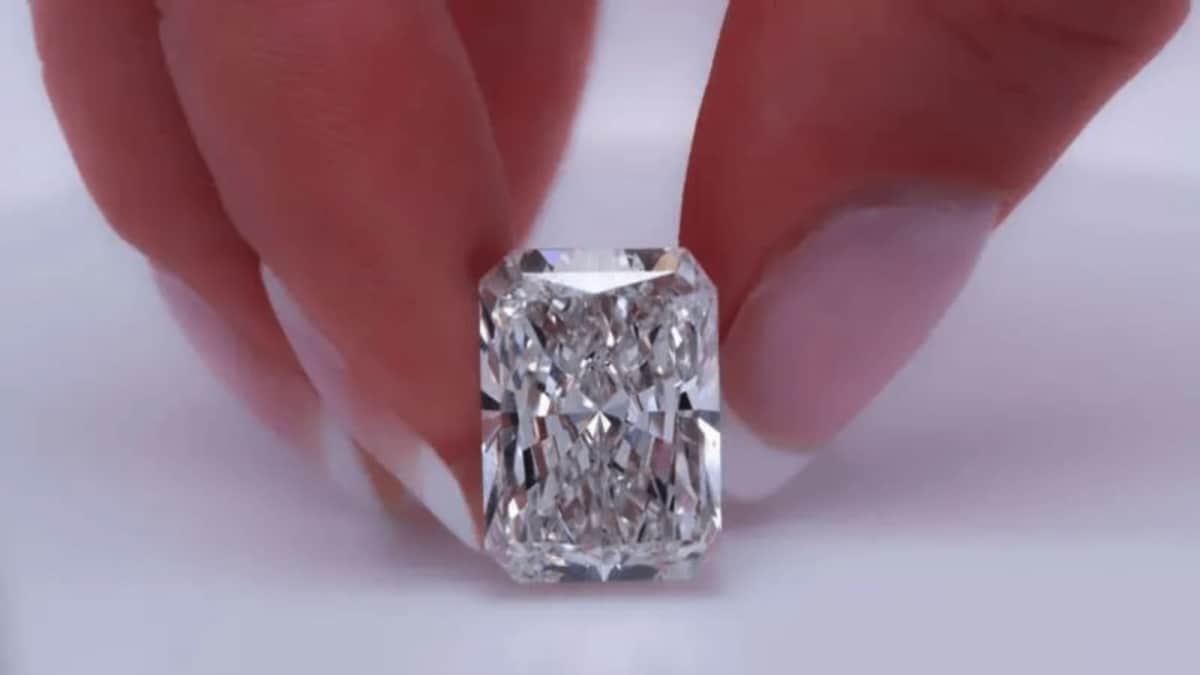
Diamond grading: color and clarity Use the standards sellers cite rather than marketing language. Daniel Diamonds explains color in plain terms: "Diamond color is graded on an alphabetical scale from D to Z. D represents a total lack of color, and Z is faint yellow. Each increment is subtle, and barely distinguishable to the untrained eye, however we strongly encourage our customers to compare a variety of colors to see what suits their taste and budget. The whitest of diamonds are the most rare, and thus, the most valuable. Diamonds that fall outside of the D to Z range are considered 'fancy color', and are commonly yellow or brown, but can exhibit other unusual colors, such as pink or blue." Note that the Daniel Diamonds excerpt shows a "Diamond Clarity" heading without content; when clarity is a purchase factor, ask for a full clarity grade and a microscope image or an independent lab report.
Practical retail details and consumer protections Concrete details matter. Daniel Diamonds provides a local touchstone a buyer can call or visit: 31955 Castle Court Suite 1N, Evergreen, CO 80439, 303-674-6673, store hours Tuesday through Saturday 11 AM to 4 PM. If a seller asks for a 50% deposit, confirm whether that applies to all inventory or only special orders, what payment methods are accepted, what happens in the event of customs delays when stones are imported, and whether transit insurance is included. When a retailer promises one-on-one guidance, ask them to commit that in email so you have a record of what was promised.
Industry context for buyers and sellers The business environment shapes what you see on the sales floor. The Jewelers Board of Trade positions itself "as a leader in the jewelry industry" and offers resources such as the Q3 2022 State of the Industry report and webinars on topics that affect retail practices. Useful titles include "Understanding Selling Made in the USA," which explains the FTC Made in USA rule change and potential conflicts with Customs country-of-origin requirements, and practical sessions like "6 SEO Myths that Need Busting for Retailers" and a webinar that teaches "a step-by-step guide to improving your Google My Business listing." For store owners or anyone evaluating a retailer, sessions such as "Extending Credit & Managing Risk as Stores Reopen Webinar With Erich Jacobs and Kathleen Morgan" offer insight on credit policies and risk mitigation that can influence return and layaway terms.
- Ask for written disclosures on treatments, materials, and provenance.
- Insist on a named expert: request an AGS-certified gemologist when questions about identity, treatment, or long-term care arise.
- Request independent lab reports for high-value stones and photographic proof of clarity and cut when relevant.
- Confirm payment, deposit and shipping policies in writing, and verify transit insurance for imported stones.
- Evaluate construction: examine prongs, soldered links, and interior finishing rather than relying on brand storytelling alone.
Checklist and next steps for meaningful purchases
Conclusion Heirloom-quality jewelry is a combination of material integrity, transparent disclosure, maker identity, and sound construction. AGS’s framework and a retailer’s clear workflow, such as the detailed process Daniel Diamonds provides, give you the practical checkpoints to demand: documentation, expert verification, and written policies at every stage. When those elements align, beauty comes without compromise, and what you buy today can genuinely be the family jewel of tomorrow.
Know something we missed? Have a correction or additional information?
Submit a Tip