How to Choose Slam Balls and Wall Balls for Effective Training
A consolidated set of buying and training guidelines for slam balls and wall balls helps Slamball players, coaches, and facility operators match equipment to training goals and avoid common pitfalls. Practical tips cover weight selection, no-bounce construction, grip and shell durability, warm-up handling for sand-filled models, and classroom-friendly features like color-coded weights.
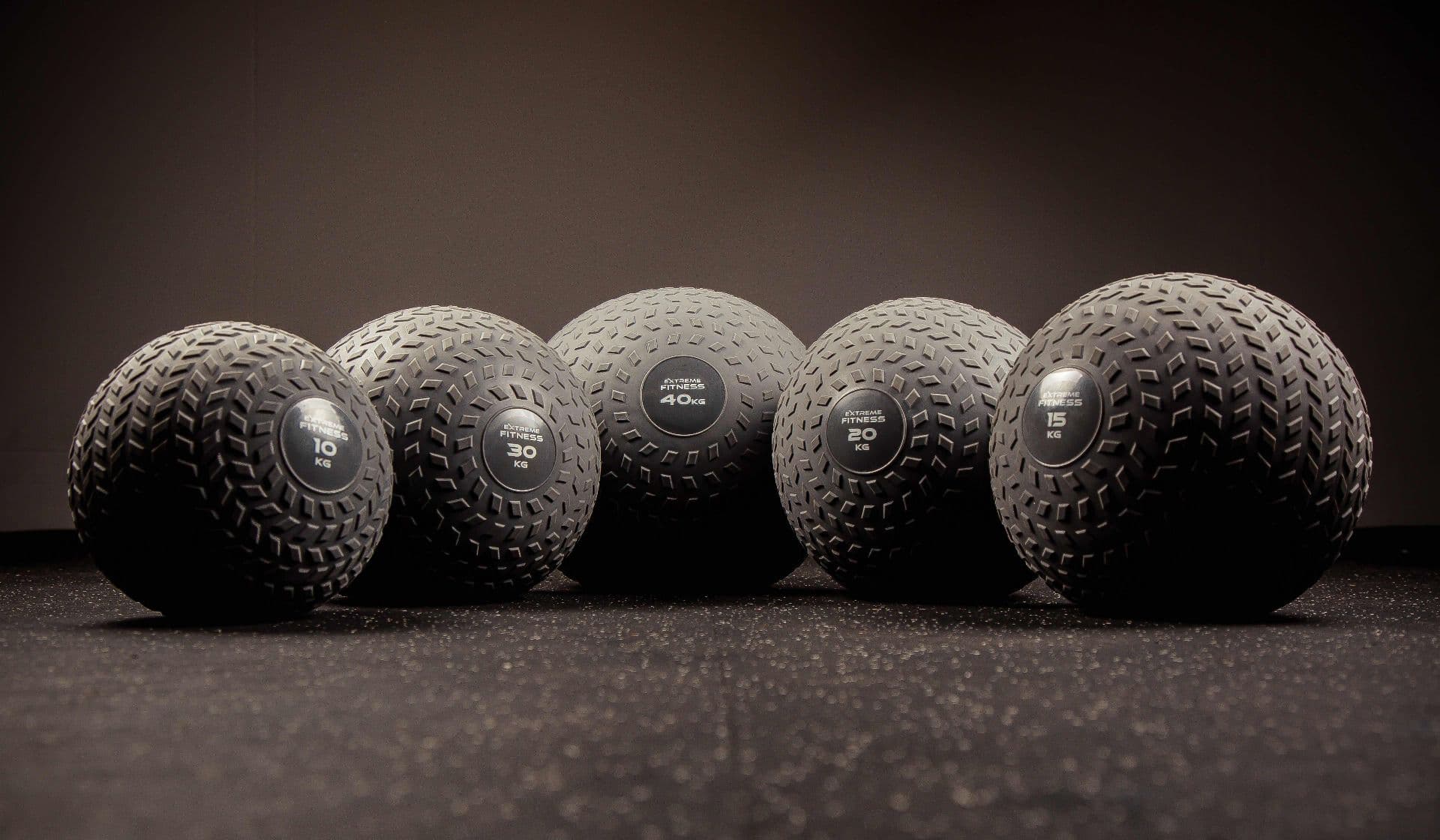
Slamball athletes and facility operators now have a clear, practical framework for selecting slam balls and wall balls that meet conditioning, explosive-workout, and strength-preparation needs. The guidance emphasizes matching size and weight to specific goals and prioritizes construction features that reduce rebound and maximize durability for repeated impact.
Choose a ball size and weight based on the work you want to do. Lighter, higher-repetition wall balls fit conditioning and metabolic circuits; heavier, lower-repetition slam balls serve strength and maximal-power training. Facilities should stock a range of weights so coaches can quickly scale sessions for different athletes and drills.
Construction matters more than branding when the ball will be thrown against walls or slammed to the floor. Prefer no-bounce or low-rebound designs filled with sand or gel for true slam behavior and safer wall throws. Aggressive textured surfaces improve grip during sweaty, fast-paced sets, and a durable outer shell will resist abrasion and impact over time. Color-coded weight systems simplify equipment choices in group classes and speed transitions between stations.
Sand-filled slam balls require special handling. Warm and "work" sand-filled models before maximal slams to reduce stress on the valve and extend service life. Check valve integrity regularly as part of equipment maintenance; a failing valve is the most common failure point and can turn an otherwise durable ball into a safety hazard. Rotate balls in regular use and retire any with split seams, compromised valves, or excessive deformation.

Avoid common pitfalls that undercut training goals. Buying an overly soft ball sacrifices rebound control and may reduce training stimulus, while an overly firm ball can increase strain on the shell and valves and create unwanted bounce. Purchasing a ball that rebounds aggressively defeats the purpose of slam work and can pose safety issues in confined gym spaces.
For off-court Slamball conditioning and impact preparation, integrate slam and wall balls into short, explosive circuits and strength days. Facility operators should focus on durability and ease of class flow: invest in a color-coded set covering multiple weights, inspect valves weekly, and store balls dry and out of direct sunlight.
These practical choices and maintenance habits help Slamball players and operators get more consistent, safer training from wall and slam balls, whether the goal is metabolic conditioning, explosive power, or preparing athletes for the sport’s high-impact demands.
Sources:
Know something we missed? Have a correction or additional information?
Submit a Tip