SlamBall Debuts in China with Clinics, Camps and Pro Ambitions
SlamBall debuted in China with clinics, camps and pro ambitions, sparking local excitement and identifying homegrown talent for future pro competition.

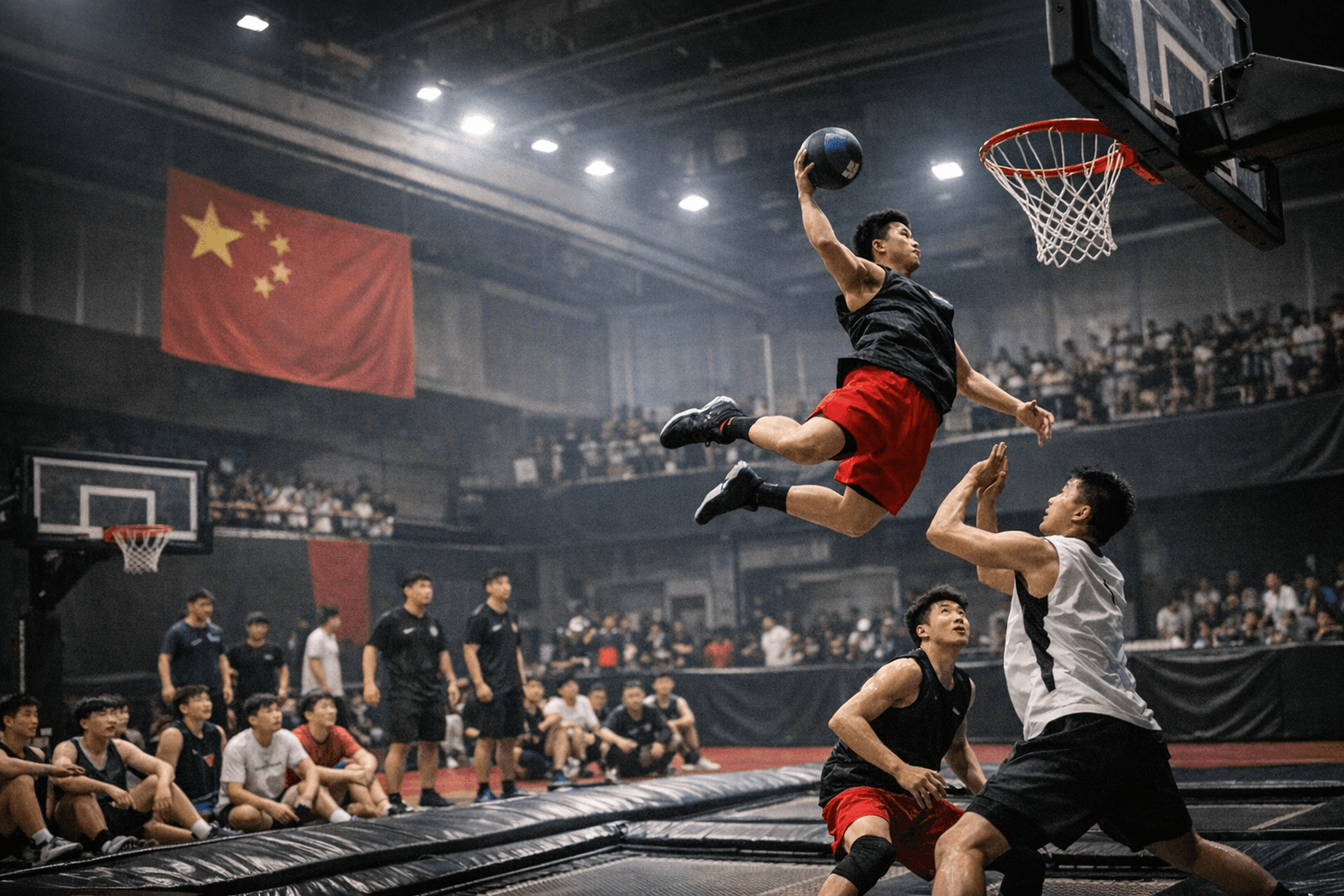
A high-flying import of American spectacle sport SlamBall landed in China, bringing exhibition games, clinics and grassroots tryouts aimed at building a domestic pipeline and staging future pro matches. Organizers from the Multinational SlamBall Athletic Association led demonstrations and hands-on camps that introduced Chinese athletes and fans to a hybrid sport that blends basketball, football and gymnastics.
The initial roadshow paired American SlamBall professionals with local coaches to run skill clinics and exhibition contests in Hangzhou and other cities. Those sessions emphasized aerial athleticism, timing and contact-aware play as organizers sought to translate a fast, crowd-pleasing format into Chinese sporting culture. The public response was enthusiastic, and early talent identification programs produced dozens of Chinese prospects. One highlighted recruit, Lu Feng, emerged as a local example of how quick adaptation and vertical instincts can translate into the SlamBall game.
Spectacle defined the early displays. Organizers captured attention with memorable moments designed to illustrate the sport’s radical visual appeal. "Imagine this scene: A Chinese man of average height jumps over the head of a 2.10 meter giant and slams a basketball into the net." That image was deployed as proof of concept - dramatic, viral-ready plays that could broaden the audience for an action sport seeking a foothold in Asia.
From an industry perspective, the MSAA and SlamBall leadership framed these exhibitions as business development as much as talent scouting. Plans laid out by the organizers included establishing training centers across China, expanding to more cities and eventually staging pro-level matches. Those moves reflect a common overseas growth playbook: seed grassroots interest, create local training and talent pipelines, then monetize competitions and merchandising once a sustainable fanbase and player pool form.
Culturally, SlamBall’s mix of close-contact team play and acrobatic finishing rides well with China’s appetite for spectacle sports and televised variety. The format offers a new pathway for athletes who do not fit the traditional basketball mold but excel in agility and aerial skill, potentially widening opportunities for youth participation and alternative professional trajectories.
Socially, the import raises questions about safety standards, coaching capacity and the long-term integration of a niche sport into school and community programs. If organizers follow through with structured camps and certified coaching, the initiative could offer legitimate development routes and new local employment in coaching, event production and sports management.
For fans and players, the arrival of SlamBall in China signals both entertainment and opportunity: a visually arresting sport with a deliberate plan to foster domestic talent and professional competition. The next steps will determine whether those early clinics and tryouts grow into sustained leagues, televised events and a regional footprint that reshapes the extreme sport landscape in Asia.
Sources:
Know something we missed? Have a correction or additional information?
Submit a Tip

%3Afilters%3Aquality(100)%2Fimages%2Fstory%2F11711%2Fslamballedit_690w.jpg&w=1920&q=75)