How to follow Triple-A baseball rosters, prospects, and transactions
A practical primer on Triple-A: what it is, who plays there, and how to track rosters, stats, and transactions throughout the season.

Triple-A baseball is the final stop before the majors and a daily tradecraft for fans who track prospects, depth pieces, and the familiar roster shuttle between levels. It matters because this is where most late-stage prospects prove they belong, where veteran arms and hitters live when providing organizational depth, and where teams find immediate help during injuries or late-season pushes.
At its core Triple-A is the highest level of affiliated minor-league baseball, one step below MLB. Teams carry a 26-man active roster during the season, with movement shaped by rehab assignments, MLB option rules, and short-term promotions. Expect to see a blend of top prospects rehabbing or awaiting a call, one-to-two year prospects pushing for big-league jobs, and veteran non-roster signee depth pieces or 40-man players with options remaining.
To evaluate players, lean on both traditional and advanced context. For hitters, OPS and wRC+ give a run-scoring baseline while strikeout and walk rates reveal approach. For pitchers, ERA and FIP remain useful when paired with K/BB ratios and strikeouts per nine innings. Add scouting context with spin rate, pitch mix, and exit velocity to separate true skill from park-inflated numbers. Baseball Savant and Statcast provide the best MLB-level tracking, while Baseball-Reference and FanGraphs offer minor-league splits and historical context. MLB Pipeline and Baseball America supply scouting writeups and prospect ranks.
Transactions drive the season. January through March is active for signings and non-roster invites, late March into April sees spring assignments and initial rosters, and roster shuffles occur all year as teams option players, call up reinforcements, or place veterans on rehab assignments. Monitor transaction logs on MiLB.com and MLB.com, follow daily minor-league coverage at MLB Trade Rumors, and check local team sites and beat reporters for the fastest confirmation. X/Twitter remains the immediate flag for moves, but always cross-check official logs.
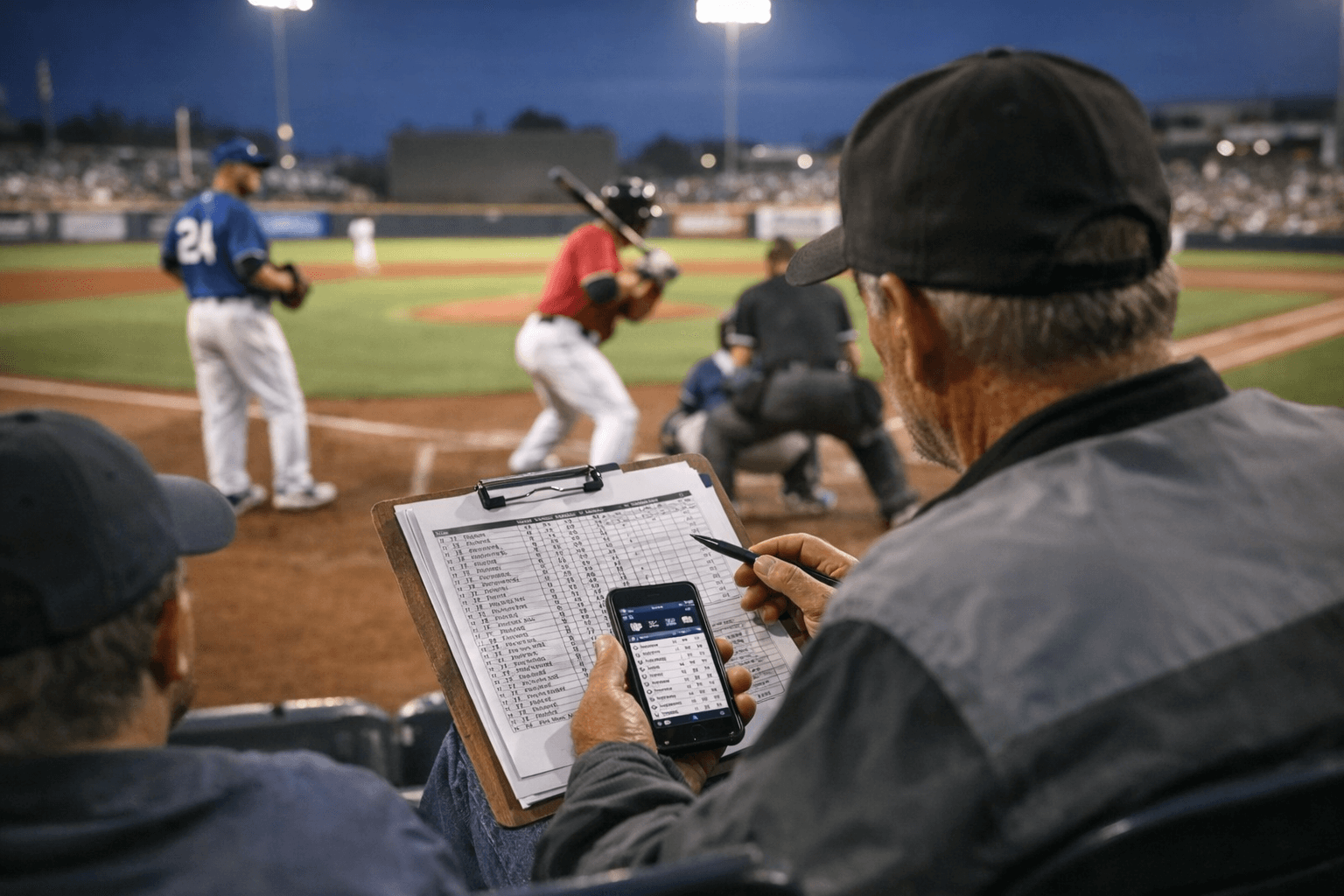
Watching Triple-A is increasingly accessible: MiLB.tv archives and local broadcasts cover games, while team social feeds and beat writers provide highlights and context. For fantasy and betting, use Triple-A performance as input, not gospel; park factors, lineup variability, and small sample sizes can distort translation to MLB projections.
To follow a player, check his assigned affiliate on MiLB.com, monitor the team transaction log, read scouting updates and MLB Pipeline ranking changes, watch game streams or highlights, and track promotion announcements during spring and the season. Those simple steps put you in the loop when the shuttle runs.
Triple-A is where potential becomes urgency and depth becomes preparation. Follow the roster moves, lean on the right stats and local sources, and you’ll spot the next call-up before the first pitch in the big leagues.
Know something we missed? Have a correction or additional information?
Submit a Tip