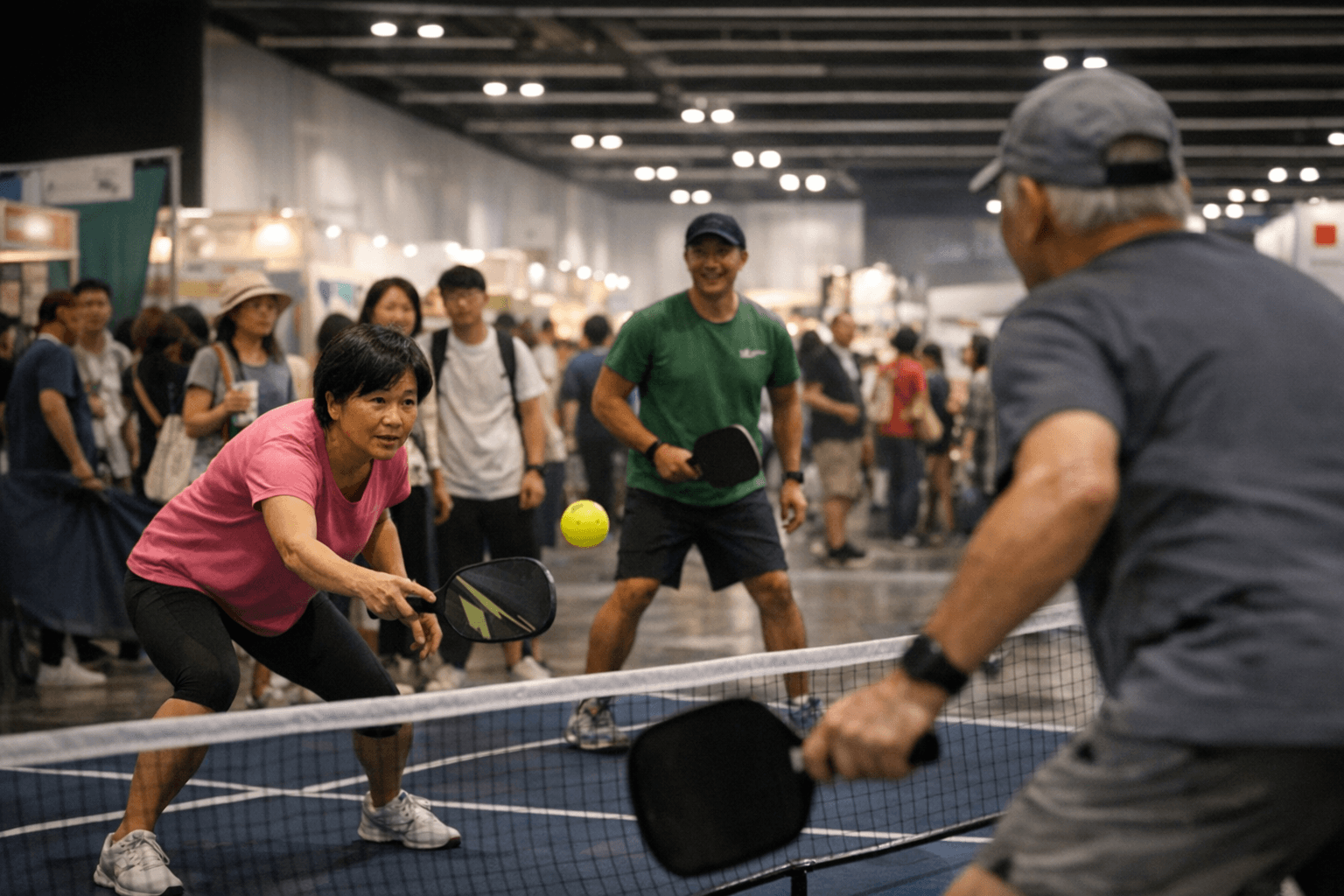
How to launch a neighbourhood pickleball program across Asia
Practical steps to start and grow neighbourhood pickleball programs that attract newcomers and sustain local courts across Asia.
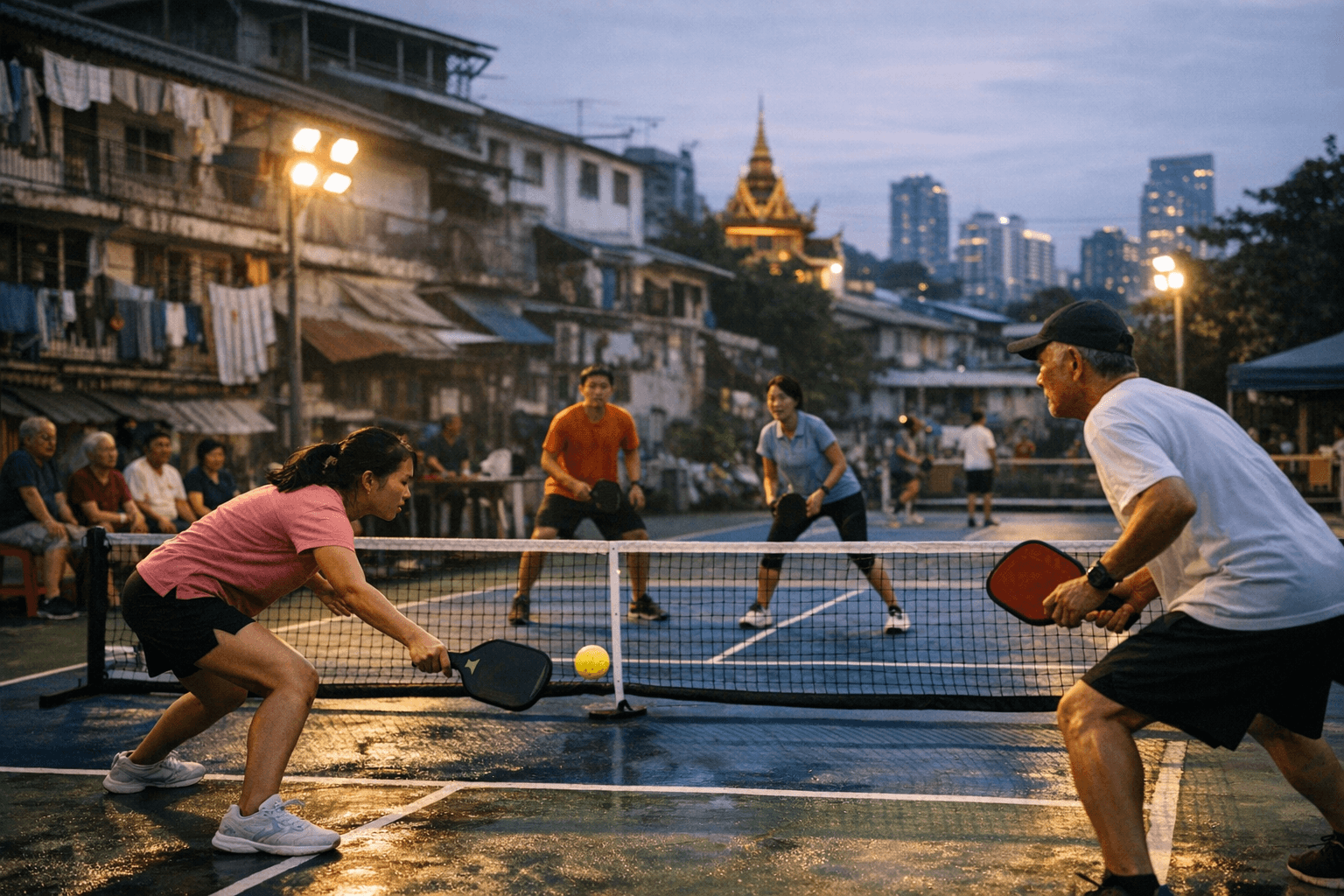
Pickleball’s rapid growth across Asia is driven by social play, small-court adaptability and low setup costs, but sustaining that growth depends on local neighbourhood programs that attract newcomers and keep courts busy. A focused, low-cost program can turn underused basketball or tennis courts into thriving pickleball hubs, build volunteer coach pipelines and create regular revenue to support venues.
Secure a reliable court and time slot first. Convert underused courts to dual use with temporary nets and court tape and establish a fixed weekly booking to build habit. If using public facilities, liaise with municipal or city sport officers with a simple plan covering safety, lighting, noise hours and liability cover. Clearly post schedules and booking procedures so players and neighbours know when play happens.
Start with free or low-cost beginner clinics as recruitment funnels. Offer 60–90 minute sessions that teach rules, the basic serve and return, dink technique and the third-shot drop. Keep class sizes to 8–12 so each participant gets meaningful hits and a positive first experience. From those clinics, funnel players into a clear progression: beginner to intermediate, social drill nights, then friendly ladder play and local tournaments.
Build a volunteer coach pipeline early. Train volunteers as assistant coaches in basic safety, warm-ups and lesson structure, and consider sponsoring one or two volunteers to attend a PPR Level 1 or a local coaching clinic. Volunteer recognition keeps people engaged; provide small perks such as free tournament entry or branded apparel.
Manage neighbours and noise proactively to avoid conflicts that can shut programs down. Set and communicate clear playing hours that respect quiet periods—stop by 9–10pm where appropriate—post court etiquette signs and run daytime-only community sessions now and then. Use foam or low-noise balls for late-evening play, choose courts with acoustic barriers where possible and rotate time slots so any one neighbour isn’t exposed every day.
Partner with local businesses and organisations for cross-promotion and sponsorship. Cafés, malls, community centres and fitness studios can provide discounts, food stalls or pop-up merchandise. Host charity or corporate social responsibility events to attract publicity, funds and equipment donations.
Operationally, use a simple online booking tool or a WhatsApp/Line/Telegram group and collect small fees to cover net rental and balls. Keep a gear kit with spare paddles, demo paddles, extra balls and a first-aid kit; offer rental paddles to lower the barrier for beginners. Check local liability requirements and require signed waivers for larger events.
Measure success by tracking repeat attendance, the number of new players each month and program revenue versus costs. Aim for steady early growth—10–20% monthly increases in active players is healthier than a single big spike. Maintain a consistent communication channel, run regular social nights and monthly mini-tournaments, and recognise volunteers to keep momentum.
Local programmes are the engine that will keep courts filled and players improving. Start small, measure what works, and scale the timetable, coaching and partnerships as the community grows. I can draft a 6-week beginner clinic plan, a simple budget template for nets and balls, or sample flyer text in English or a local language to help you get started.
Know something we missed? Have a correction or additional information?
Submit a Tip