How to Personalize Your Wedding Dress, From Silhouette Choices to Seamstress Questions
Personalize your wedding dress by deciding silhouette and priorities early, finalizing accessories by four months, and planning fittings on either a 6–8 month or a 6–8 week clock depending on your boutique.
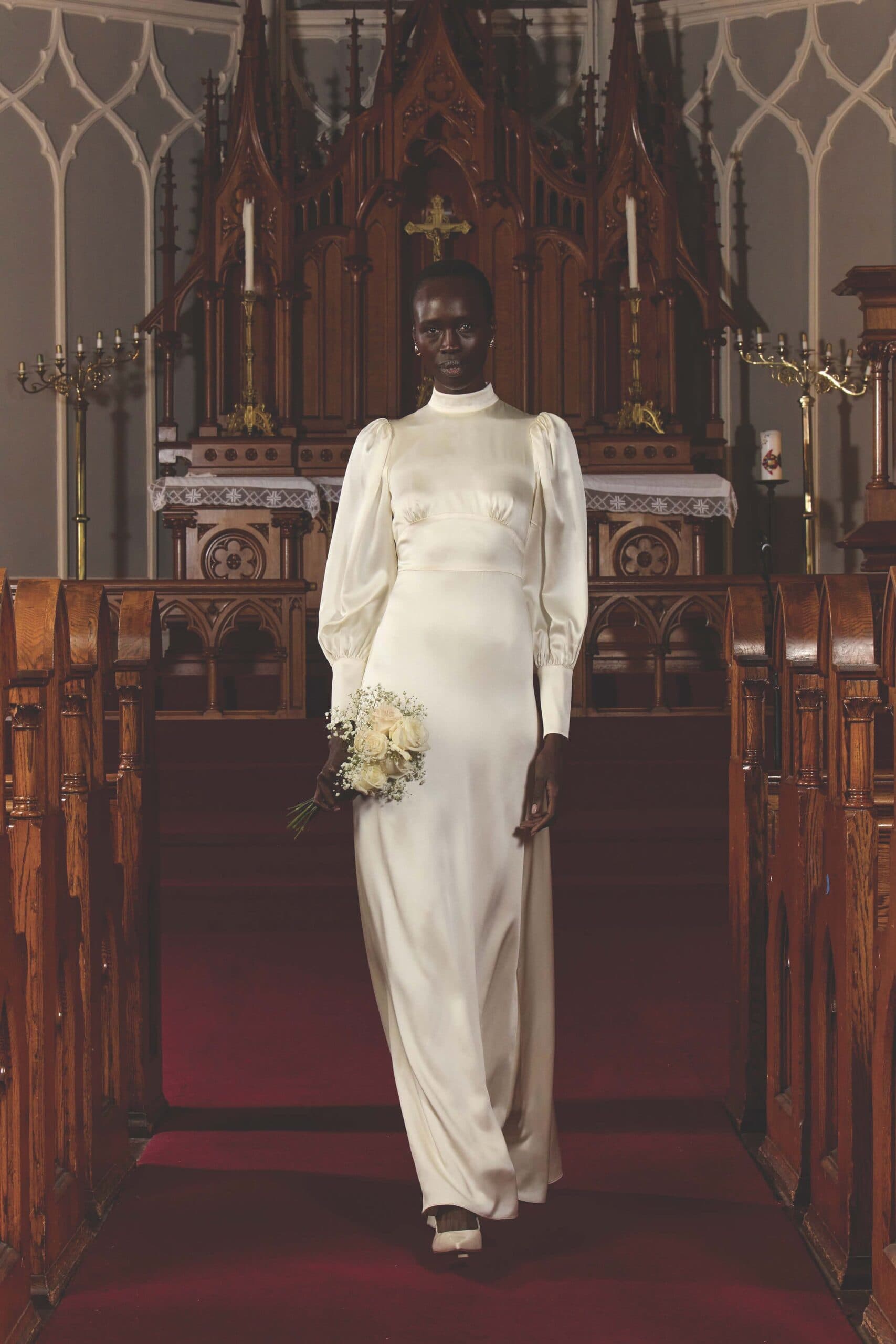
The magic of the wedding dress is magnified when it meets the beaming bride. As she walks down the aisle, the dress illuminates her radiance, reflecting the love and happiness that fills her heart. It is a moment of pure enchantment, as all eyes are drawn to the bride, and time seems to stand still." Use that as your north star while you make practical choices about fit, fabric, and finishing.
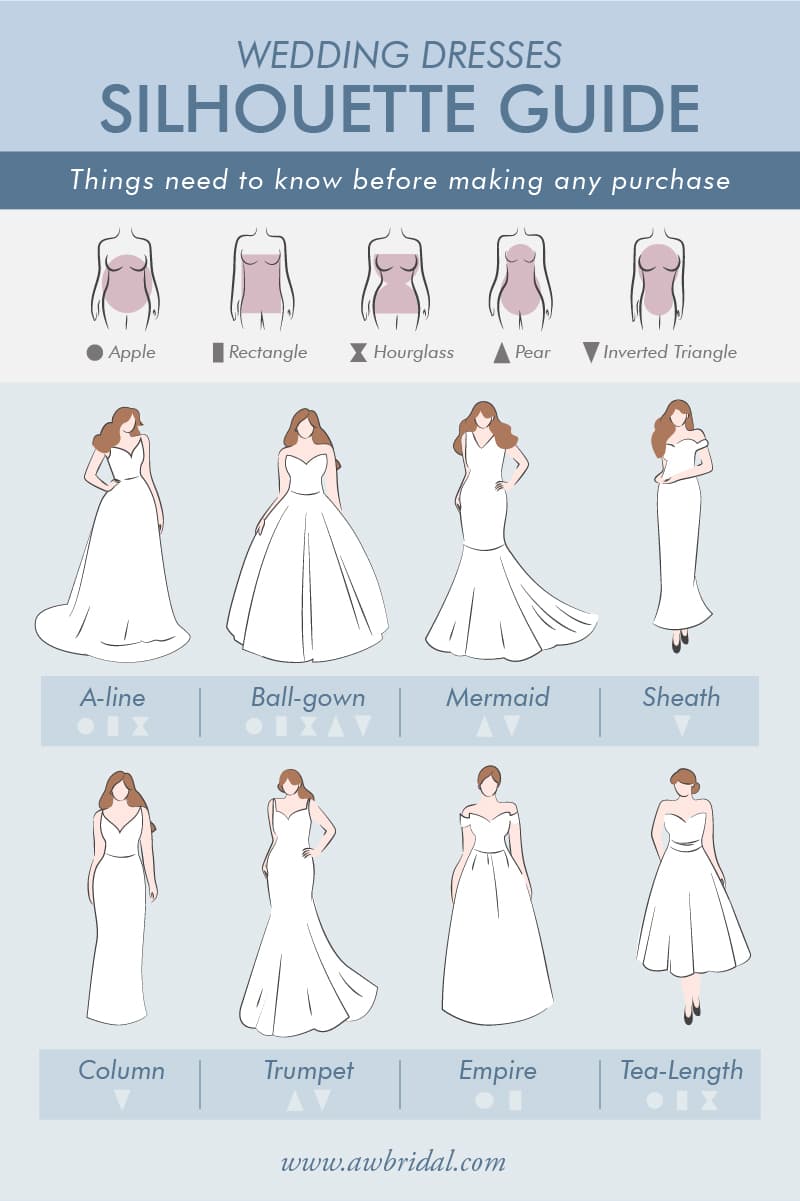
What to decide first Start with silhouette, ceremony formality, and whether photos or comfort matter most, then let those priorities shape every customization. The original checklist advice is simple: pick the basic shape, decide the level of ceremony formality, and choose whether you want the dress to read best in photographs or feel easiest to move in. Those three decisions determine whether you lean toward a sculpted mermaid that needs precise tailoring or a looser A-line with room for dancing.
Two competing timelines you need to know Brides often find two timelines in circulation, and both are used in real boutiques. Borrowing Magnolia lays out an early timeline: an initial consultation 9–12 months before the wedding, with a first fitting at 6–8 months to start custom work and alterations. By contrast, TM Tailor frames the alteration process closer to the wedding: a first alteration fitting at 6–8 weeks, a second at 4–6 weeks, and a final fitting 2–3 weeks before the date. Because shops define "first fitting" differently, confirm with your boutique whether that term means an early customization appointment or the first alteration near the wedding.
The alteration sequence, when it follows the TM Tailor model 1) First fitting, 6–8 weeks before: your tailor will pin and mark bust, waist, hem, and straps, and discuss bustle options and any custom changes. 2) Second fitting, 4–6 weeks before: review the adjustments and practice walking, sitting, and moving in the gown. 3) Final fitting, 2–3 weeks before: try the dress fully pressed with the actual shoes and undergarments; your gown should feel comfortable and secure, but never tight. These steps help you avoid last-minute panic and ensure your bustle and hem behave on the day.
- Shapewear and undergarments in a color close to your skin tone. Always & Forever stresses wearing what you think you will wear under the gown for the most accurate fit.
- Your wedding shoes, veil, headpieces, jewelry, belts, sashes or boleros. TM Tailor advises bringing any accessory that impacts your neckline or silhouette.
- Inspiration photos if you plan to customize sleeves, straps, or necklines. TM Tailor recommends photos so your tailor understands the design changes you want.
- A notebook and pen to jot down alterations and measurements.
- One or two trusted people to help and learn the bustle, not a whole entourage. TM Tailor suggests keeping it small so you are not overwhelmed.
What to bring to fittings
Bring the pieces that affect fit and silhouette so your seamstress can work with the full picture. Across the notes, the consistent checklist includes:
What to wear under the dress Wear the shapewear and lingerie you expect to use on the day; skin-toned pieces give the most accurate result. If your gown has built-in cups or a structured bodice, your tailor may recommend removing extra layers for a smoother look and better comfort. That pro tip is practical for fitted gowns that rely on internal construction rather than padding.
Customization options that actually matter Small changes make a gown feel like yours without rewriting its identity. Borrowing Magnolia recommends altering a neckline, adding subtle embellishments, or incorporating a modern accessory to personalize a dress while preserving its core style. Lovella Bridal offers a concrete detail many brides skip: sew in a detachable spaghetti strap for strapless gowns. "The last thing you want is to be tugging at your strapless dress all night if it shifts or expands. A simple, detachable strap can provide added comfort and confidence for your wedding day." Consider detachable elements, modest sleeve caps, and discrete embroidery for initials or a meaningful motif.
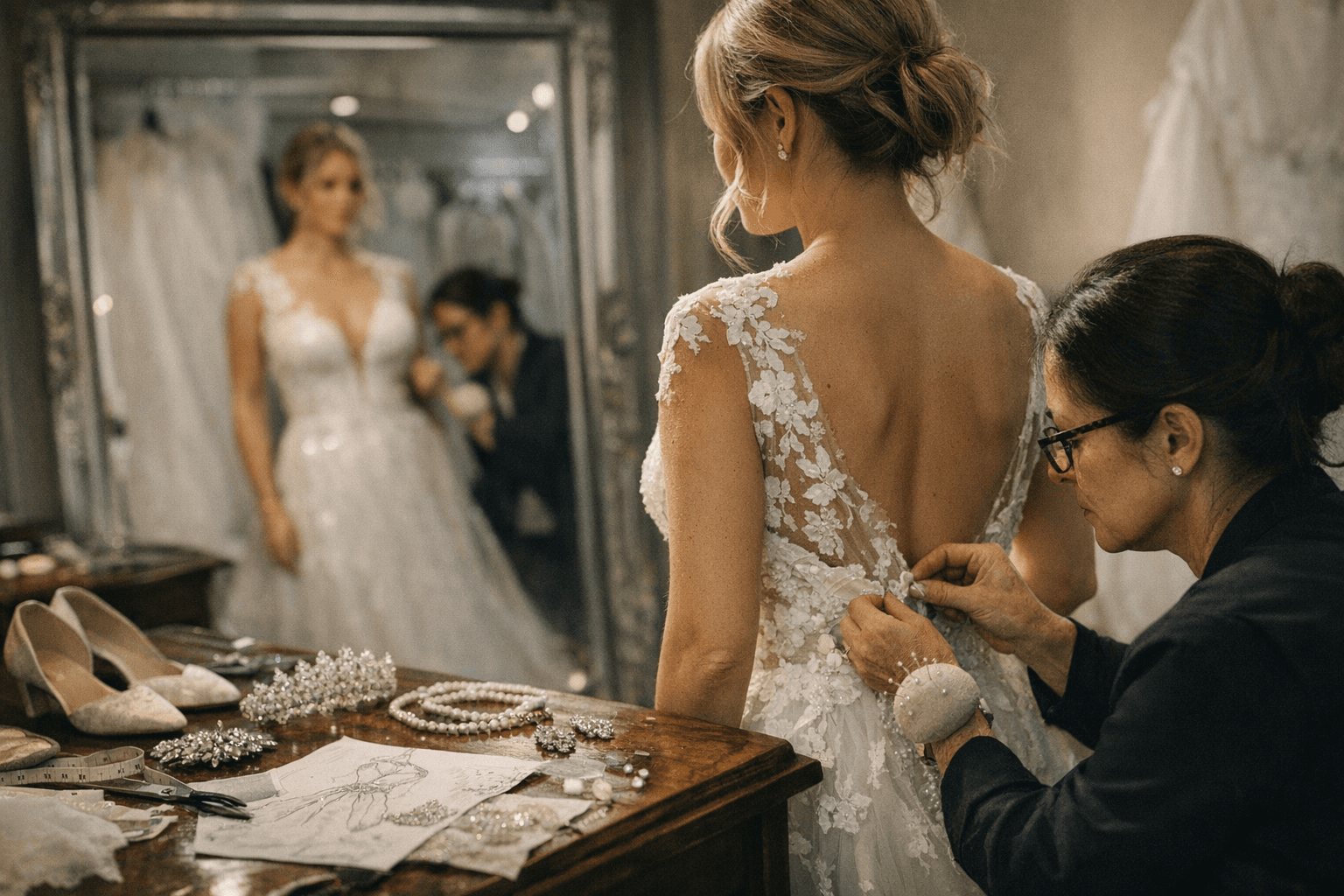
Questions to ask your seamstress/atelier (fabric substitution Keep that original fragment intact as a prompt for a real conversation at the atelier: ask about fabric substitution, layer removal for built-in cups, bustle types, and how many fittings they schedule. Because boutiques use different vocabulary, clarify whether "first fitting" is for early customization or later alterations, and ask whether detachable straps are typically sewn in or offered as removable pieces.
Accessories and timing Aim to finalize accessories early so they can inform alterations. Lovella Bridal recommends picking accessories when you buy the dress, and at minimum to finalize them four months before the wedding. That gives your seamstress time to account for veil length, hairpieces, and jewelry that may change neckline or back finishing. Green Wedding Shoes shows how color choices shift accessory direction: metallics and sparkly pieces pop against a green gown, while birthstone necklaces and botanical headpieces play up the hue's symbolism of hope, prosperity, and renewal.
Movement, bustle, and behavior at fittings A fitted dress can look astonishing, but it is not practical if you cannot move. Always & Forever cautions that a skin-tight gown looks great but is not always practical, and advises finding a seamstress who will "take it slow, providing a nice texture to your bridal gown." Practice walking and sitting during the 4–6 week fitting in the TM Tailor sequence; Lovella Bridal urges bringing someone to learn the bustle so your assistant can secure the train on the day. Expect pins and temporary stitches in early trials, and try to stand still during delicate pinning to avoid oils or dirt transferring onto the fabric.
Styling notes for nontraditional gowns If you choose a colored gown, such as a dark green floral or mint green option highlighted in styling roundups, think about accessories that emphasize the hue: metallics, gemstone jewelry, nature-inspired headpieces, or botanical heels. Green wedding dresses read as a stylish break from tradition and represent renewal and good luck, so let your accessories underscore that narrative rather than compete with it.
- "I brought my shoes, veil, and even my bouquet to my final fitting—and it made such a difference. The dress fit perfectly, and I felt like myself in it." — Tad More Bride
- "With over 28 years in the industry, we have become London’s most sort after and trusted bridal shop."
- Product reference you might see in boutiques: 6921-Skye-Morilee-6
Practical pull-quotes and reminders
Keep these verbatim lines handy for confidence and clarity:
A final word on fit and timing Whether you start customization at 6–8 months or begin alterations 8 weeks out, the goal is the same: a gown that reads like you and moves with you. Confirm the shop's timeline before you book fittings, finalize accessories early enough to influence alterations, and bring the real shoes and undergarments to your final try-on. Do this and the enchantment Borrowing Magnolia describes will feel earned, not accidental.
Know something we missed? Have a correction or additional information?
Submit a Tip