How to pick the right yoga mat for your practice and lifestyle
Learn how to choose a yoga mat by grip, thickness, material, and portability, plus tested top picks and practical buying tips for studio and home practice.
1. Grip and traction: why it matters and when to prioritize it
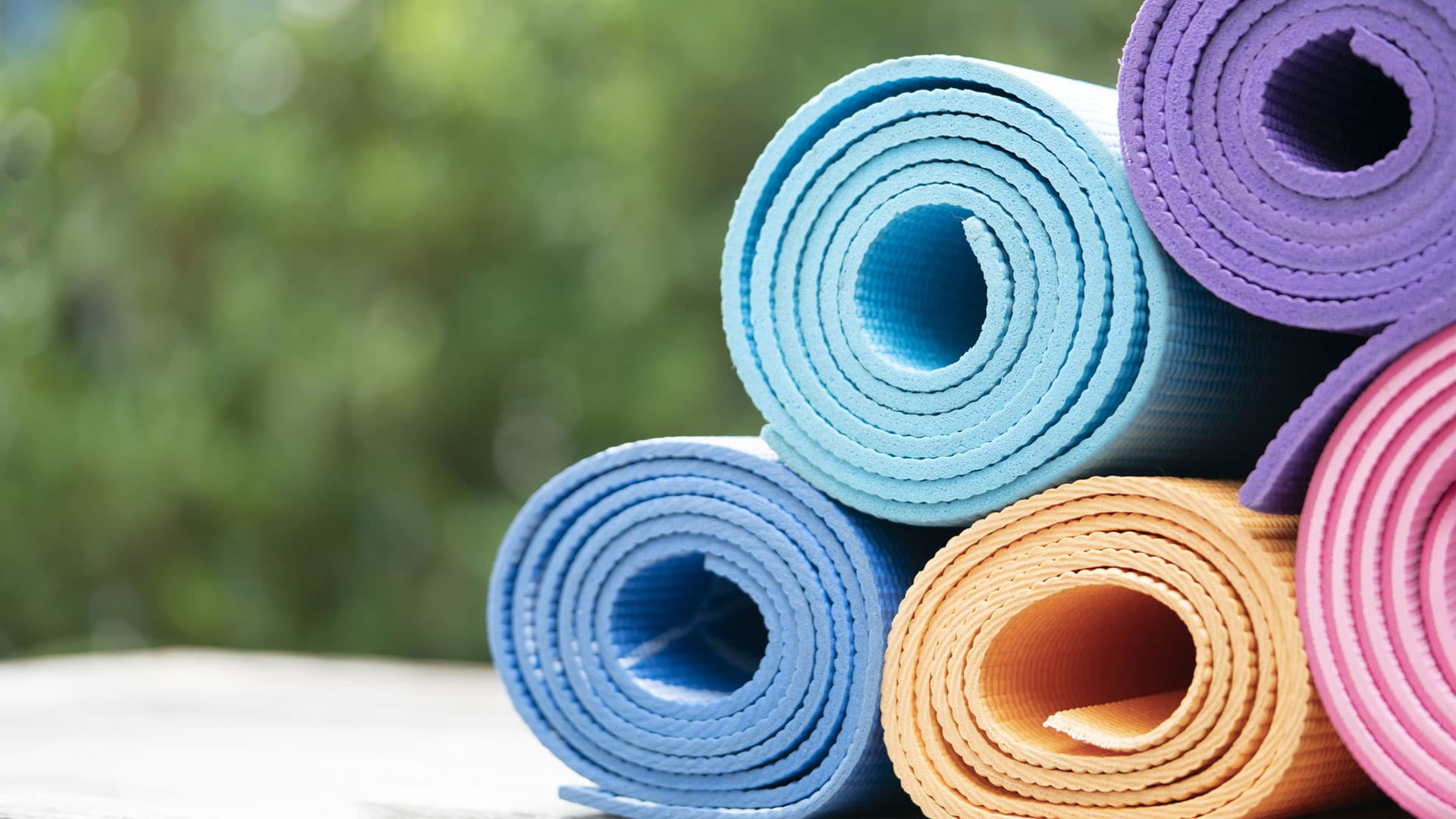
Grip is the foundational trait that keeps your hands and feet from slipping, especially in vinyasa flows and hot, sweaty practices. If you practice Bikram, heated Vinyasa, or tend to sweat, prioritize a mat with a strong, reliable surface grip, it directly affects alignment safety and confidence in balancing poses. Grip can come from the surface texture (a sticky polymer) or from materials like natural rubber that offer inherent traction; remember that some mats improve grip as they warm up and others require a towel for hot classes.
2. Thickness and cushioning: balancing comfort with stability
Thickness commonly ranges from about 3–6 mm; thinner mats (around 3 mm) give better ground feel and balance for standing poses, while thicker mats (5–6 mm) provide added joint padding for sensitive knees, wrists, and spine. Thicker cushioning helps in restorative and mat-based practices, but too much foam can make balancing poses feel unstable and reduce proprioceptive feedback. Choose thickness based on the kind of classes you take most often, if you alternate between intense standing flows and long restorative sessions, consider a mid-thickness mat or owning two mats for different days.
3. Material choices: sustainability, performance, and VOCs
Common materials include natural rubber, TPE, polyurethane, and PVC; each has trade-offs for grip, durability, environmental impact, and off-gassing (VOCs). Natural rubber (like Jade Harmony) offers strong grip and biodegradability advantages but may be heavy and unsuitable for latex allergies; TPE is a more eco-minded synthetic alternative with decent traction; polyurethane and PVC can give exceptional stick and cushioning but raise sustainability and VOC concerns, particularly for low-cost mats. If sustainability matters to you, look for mats made from responsibly sourced rubber, transparent manufacturing practices, and low-VOC certifications, and remember that longevity can offset environmental impact by reducing replacements.
4. Portability and weight: factors for commuting yogis
If you commute to studio classes, portability becomes a practical priority: lighter mats and rollability make carrying them day-to-day less of a chore. Note that higher-density, thicker, or natural-rubber mats often weigh more, so match the weight to your commute, if you bike or use public transit, a lighter mat or a dedicated travel mat might be worth a second purchase. Also consider mat width and length alongside weight: a long, light mat can still be cumbersome if it doesn’t pack well into your bag.
5. Top-tested mats and what they offer
Lululemon The Mat stands out for an excellent balance of grip and cushioning, making it a great “do-it-all” option if you want a single mat that performs well across styles. Manduka PROlite is a teacher-favorite because it prioritizes durability and long-term value; it’s built to withstand constant use and still feel supportive. Jade Harmony is the go-to for eco-friendly preference: made from natural rubber, it provides good traction and a greener production story for sustainability-minded yogis. Liforme is notable for alignment markers on the surface and a strong grip that helps students refine positioning; that visual guidance is especially helpful in alignment-focused classes.
6. Practical buying tips for real-world use
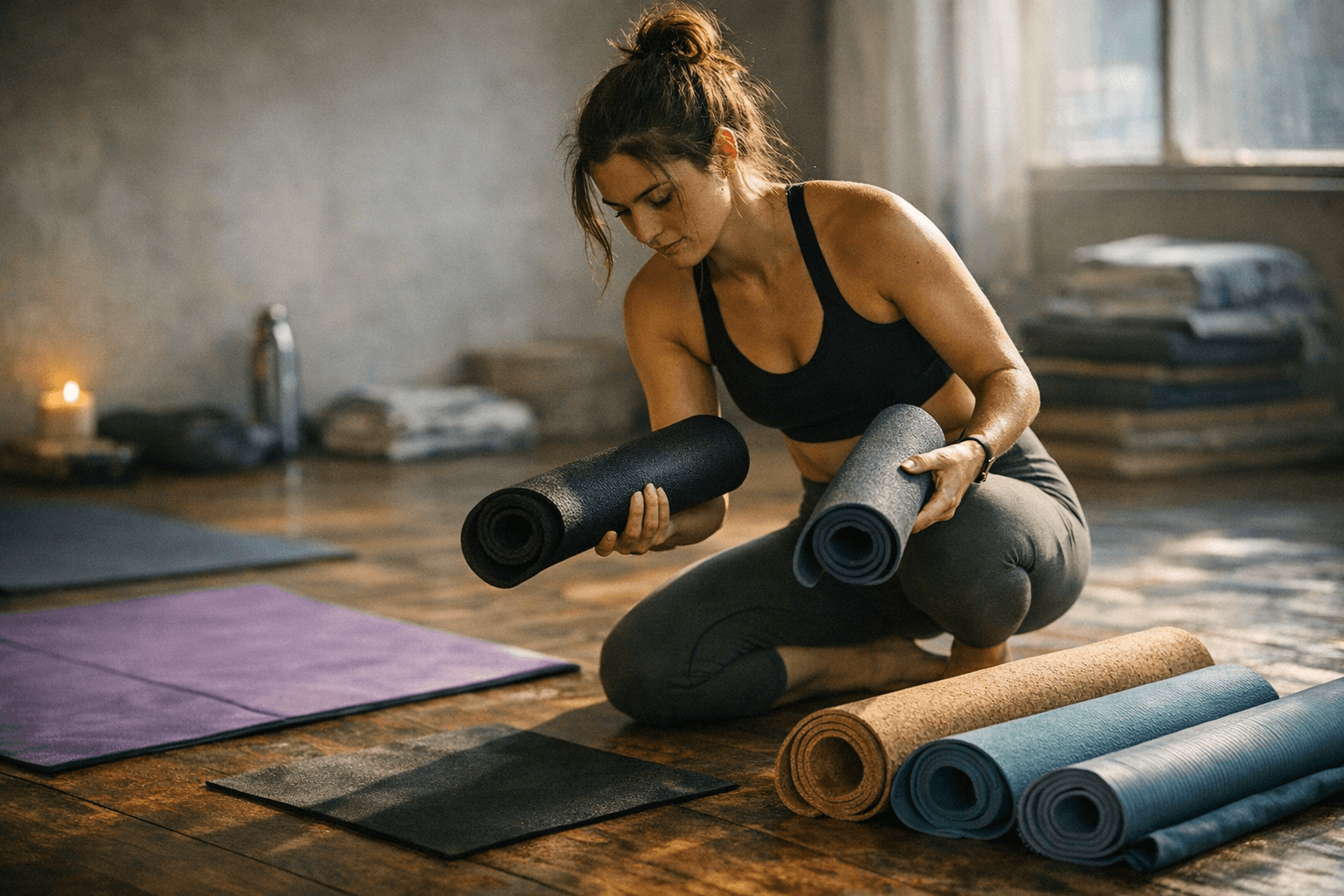
Choose a longer or wider mat if you’re tall or frequently find your limbs hanging off the edges; standard mats can feel cramped if you’re over average height. For studio use where mats are shared or used back-to-back, prefer closed-cell surfaces, those repel moisture and are much easier to wipe down and disinfect than open-cell mats. Balance cost versus longevity: cheaper mats can be tempting, but if you practice multiple times a week you often save money by investing in a durable mat that won’t need frequent replacing. Finally, test a mat in person if possible, feel the grip, roll it, and see how it packs, and consider a second mat (thicker for home, lighter for travel) if your budget allows.
- Quick care tips: wipe down closed-cell mats after class with a gentle spray; for open-cell mats, use manufacturer-recommended cleaners and air them thoroughly.
- Quick sizing rule: add ~6–12 inches to your height for comfortable length; wider mats (26–36 inches) help practitioners who need extra elbow or arm space.
The takeaway? Think of your mat as gear that supports both the practice and the life around it, prioritize the single factor that most affects your classes (grip for hot flow, cushioning for joint relief, sustainability if that’s your ethos, portability for commutes), then match material and weight to that priority. Our two cents? Invest in a mat that encourages you to roll out regularly, comfort and confidence on the mat are worth the spend.
Know something we missed? Have a correction or additional information?
Submit a Tip