How to Plan a Baby Shower That Minimizes Waste and Maximizes Joy
Skip the single-use decor and plastic favors: a well-planned eco-friendly baby shower can cost less, create less waste, and feel more intentional than a conventional one.

The moment you start pricing out baby shower decor, you notice how much of it is designed to be used once and thrown away: mylar balloons, plastic banner sets, cellophane-wrapped favor bags, foam signage. It adds up fast, in both dollars and landfill weight. The good news is that every one of those elements has a better alternative, and planning around them doesn't require sacrificing the warmth or visual impact that makes a shower feel special.
Rented Decor Over Single-Use Everything
The single highest-impact decision you can make is swapping purchases for rentals. Most party rental companies carry arches, backdrops, glassware, linen, chairs, and tables. You get the same photogenic setup without the aftermath of disassembling and binning it. For the visual centerpiece that balloons typically provide, floral garlands and fabric panels deliver comparable impact and can either be returned, composted (in the case of fresh florals sourced from a local florist), or repurposed after the event. A locally sourced floral installation also supports neighborhood vendors and tends to have a smaller carbon footprint than imported balloon clusters shipped in plastic packaging.
When you build your rental list, think specifically: a wooden arch or macramé backdrop, cloth napkins and real glassware instead of plastic drinkware, and a small selection of reusable table centerpieces. The upfront rental coordination takes slightly more planning than an Amazon order, but the cost is usually comparable, and you return everything at the end.
Digital Invitations and Friction-Free RSVPs
Printed invitations with separate inserts, direction cards, and RSVP envelopes generate a surprising amount of paper waste before the party even starts. A digital invite eliminates all of it. Platforms that minimize tracking and ad targeting are worth prioritizing for privacy-conscious hosts. The key functional upgrade here is embedding a QR code that links directly to an RSVP form, which removes the friction of guests having to text or email a response separately. You can include the full event details, registry link, and any donation guidance in the same digital package, keeping everything in one place.
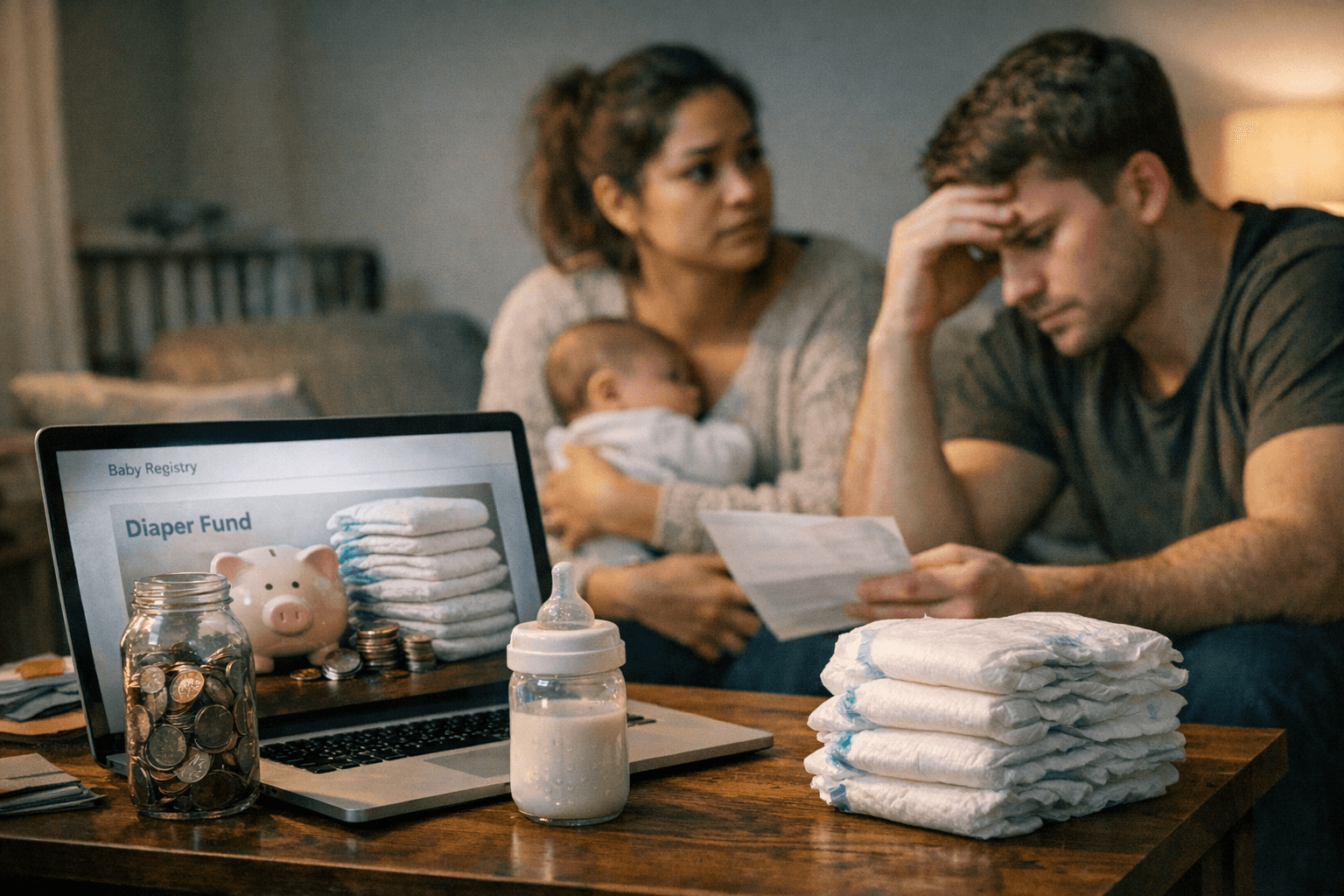
In the invite itself, this is also your best opportunity to set the tone. A line like "We're keeping the shower eco-friendly, one practical gift or a contribution to [diaper fund] is perfect" does double duty: it communicates your values and it takes the pressure off guests who might otherwise feel obligated to bring something elaborate. That kind of language normalizes lower-consumption celebrations rather than making them feel like deprivation.
Food, Serviceware, and the Post-Party Compost Plan
Food waste and single-use serviceware are where most event environmental impact actually accumulates. The fix on the serviceware side is compostable plates and cutlery from certified vendors. Repurpose offers compostable options across cutlery, bowls, plates, cups, and drinkware and is widely available if a local supplier isn't an option.
On the food side, work with a local caterer who can supply dishes in bulk rather than individually packaged portions. Bulk service reduces packaging waste dramatically and tends to produce less uneaten food than individually plated options. A plant-based menu is worth considering: a plant-based menu satisfies most dietary requirements and reduces your carbon footprint.
The piece most hosts skip is the post-event compost plan. A one-time arrangement with a municipal composting program or a community composting service means your compostable plates and food scraps actually get composted rather than landfilled. Many cities now have curbside or drop-off composting options; it takes one phone call or website visit to confirm what's accepted and where.
Favors That Don't End Up in a Drawer
The standard favor equation, small item plus individual plastic packaging plus a thank-you tag, produces a lot of waste for something guests often discard anyway. The more useful framing is: what would a guest actually use in the next six months?
Practical answers include seed packets (especially pollinator-friendly varieties), beeswax food wraps, bar soaps with minimal paper wrapping, or a contribution to a diaper fund in lieu of a physical item. Mini succulents, reusable cotton bags, organic snacks, beeswax food wraps, and handmade soy candles in recyclable tins are small gifts that leave a lasting impression without creating unnecessary waste. Seed packets of pollinator-friendly varieties are another strong option: guests can plant them at home as a reminder of the occasion, while also supporting the environment.
Whatever you choose, skip the individual plastic wrapping. A small kraft paper tag or a simple fabric tie is all the packaging a bar of soap or a seed packet needs.
Building a Registry That Reduces Excess
A thoughtful registry does two things: it prevents duplicate gifts and steers guests toward items the family will actually use. Include brands that prioritize organic materials, such as organic cotton and bamboo-based clothing, biodegradable diapers, and bamboo textiles for blankets and swaddles. Boody is a B Corp-certified brand offering baby clothing made from organic bamboo, designed to be gentle on skin and gentle on the environment, with bamboo viscose that is soft, breathable, and hypoallergenic.
Beyond specific products, gift cards to sustainable baby retailers are genuinely useful additions to any registry because they eliminate the problem of doubles entirely. Add an explicit note on the registry page about open-box donation preferences, letting guests know that if they buy something and it turns out to be a duplicate, the family plans to donate it rather than return it. That transparency helps guests feel confident their purchase won't go to waste.
Planning for Surplus: The Donation Logistics
Even the most carefully curated registry produces some surplus. The National Diaper Bank Network and Baby2Baby both accept gently used items and unopened supplies, and both have location finders on their websites to help guests or hosts identify the nearest drop-off point. Community baby showers run by nonprofits often operate entirely on donated merchandise and minimal decor, focusing all resources on essentials like diapers and safe-sleep surfaces. If you want to align your celebration with that ethos, consider asking guests to bring one item for donation alongside or instead of a personal gift.
Providing guests with specific, written guidance matters here: list what can be donated (unopened diapers, clean clothing, unused gear), where the nearest drop-off is, and whether you'll be coordinating a group drop-off after the event. The more concrete the instructions, the more likely guests are to follow through.
The Opportunity for Planners and Vendors
If you're a boutique planner or a caterer reading this, there's a real gap in the market. Most rental catalogs aren't curated specifically for baby showers, and few caterers advertise compostable event packages as a named service. A zero-waste add-on offering that handles donation logistics, coordinates post-event composting, and returns rental inventory gives eco-conscious clients something they'd genuinely pay for and can't easily piece together on their own.
The broader shift is already underway. Hosts and guests alike are increasingly sensitive to the excess that conventional celebrations generate, and a baby shower that replaces single-use decor and plastic favors with rented pieces, compostable serviceware, and meaningful donations isn't a stripped-down version of the real thing. It's a better version of it.
Sources:
Know something we missed? Have a correction or additional information?
Submit a Tip