How to Request a Trader Joe’s Location, and What Organizers Should Know
Trader Joe's has a public "Request a Trader Joe’s in My City" form that collects name, city, state, zip and a 700-character comment, but the company warns "there are no guarantees."
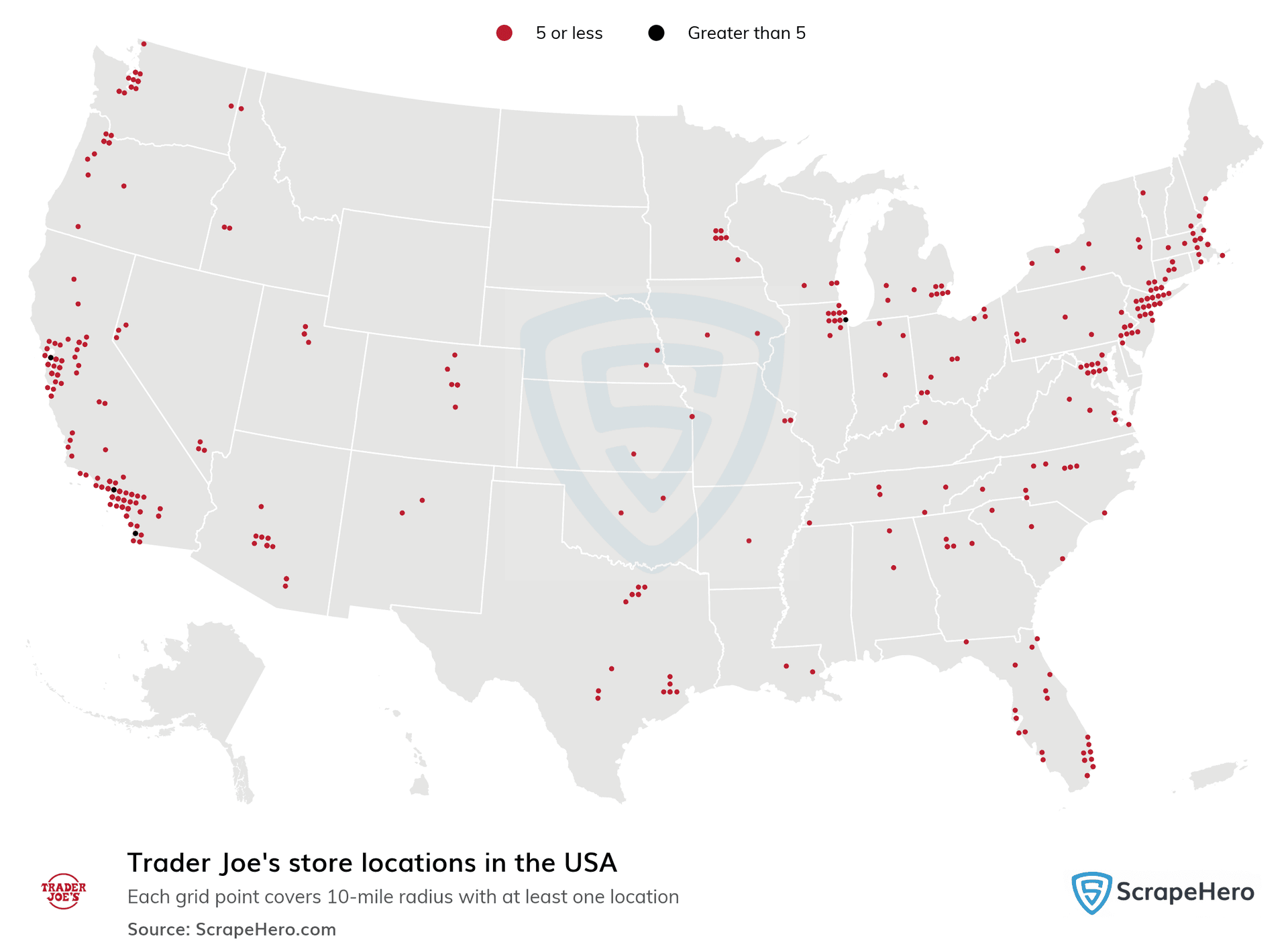
Trader Joe’s keeps a public Request a Trader Joe’s in My City form on its Contact Us page that asks for first and last name, email, city, state, zip code and a comments field with a 700-character limit. The form’s on-page instruction closes with a clear caveat: "There are no guarantees, but being wanted matters to us." That single line frames what the company will and will not promise to organizers and neighbors who push for a store.
Overview: what this form actually is and why it matters The form is a straightforward way for shoppers and local organizers to register interest on TraderJoe’s website via the navigation path Home, Contact Us, Request a Trader Joe’s. Secondary reporting notes that Trader Joe’s, according to outlets, says it reads the submissions that come through the online request form, and industry coverage describes "thousands of requests" coming in. With a national footprint of more than 500 stores, Trader Joe’s receives a heavy volume of demand signals; the form is one visible and accessible channel to register local interest, but it is not a guarantee of site selection.
How to use the request form (step-by-step) 1. Go to TraderJoe’s website, open Contact Us, and select Request a Trader Joe’s in My City. 2. Fill in CONTACT INFORMATION: First Name, Last Name, Email Address, then LOCATION INFORMATION: City, State from the dropdown, and Zip Code. 3. Use the Comments box to add neighborhood, street address, or site details, keeping your text within the display limit of 700 remaining characters. 4. Click Submit Request. Each submission generates a recorded request; the company’s form copy thanks you for the recommendation and reiterates there are no guarantees. These steps reflect the exact fields and user flow captured on the company page.
What the form asks and the small but important technical details The captured form shows explicit field names and a comments cap of 700 characters, so concise, site-specific language is essential. The State field is a dropdown selector, and the page includes a Submit Request button that completes the transaction. The request form sits amid other site features such as Fearless Flyer, The Podcast, Recipes, Products pages, Careers and a store finder, and the page includes a cookie/privacy notice noting site tracking for user experience; all of this is visible on the page capture that contains the form.
What Trader Joe’s says, and what reporters have inferred Trader Joe’s on-form language is explicit: "Recommend a location where you’d like to see a store... There are no guarantees, but being wanted matters to us. Thank you for your recommendation." Secondary reporting frames that the company reads submissions—TheFW reports that "Trader Joe's says it does read the submissions that come through the online request form"—but also that submissions are "only one of several factors" the company considers when choosing locations. In plain terms, being wanted is an input; available real estate, market research and leasing opportunities remain decisive factors that the public form does not control.
Anecdotes, mixed signals and what they demonstrate Community anecdotes suggest the form can be part of a successful push, but outcomes are mixed. On Reddit, user PralineBabes8364 wrote: "I won't take credit for it, but I think it's nice. I live in a high density suburban area. The nearest TJ was 20/30 mins in opposite directions. I thought that the town next to mine was a prime area for a store, so I put in a location request a year ago. A few days ago I just found out that they are putting a store in that town. I wonder if someone actually looked at my request!" FoodRepublic frames similar stories and cautions that "success stories seem to vary" and that "it's a little unclear on how to determine the efficacy of these location requests." One FoodRepublic passage captures the trade-off plainly: "Whether it's pure persistence or staying true to the claim Trader Joe's makes — that 'being wanted matters to us' — giving it your all might pay off."

- Coordinate multiple, independent submissions from different residents for the same city, neighborhood or specific address, since FoodRepublic notes that "if Trader Joe's receives numerous requests from different potential shoppers for one specific location, the odds of them deciding to build one may increase."
- Keep comments concise and local: use the 700-character comments field to include a proposed address or shopping center, transit access, and population or foot-traffic observations.
- Document persistence: several anecdotes indicate repeated or long-term requests are common, and one FoodRepublic-cited commenter said they had submitted for nine years with no success, so record submission dates and rally neighbors to resubmit periodically.
- Pair online demand with offline signals: contact local planning officials, commercial brokers and property owners to surface lease or sale opportunities that may match Trader Joe’s site needs.
What organizers should do to maximize the chance their request matters
Organizers should treat the online form as a required baseline rather than a campaign endpoint. Practical tactics consistent with the anecdotal reporting include:
What the form will not do, and why organizers must be realistic The company’s wording is explicit: "There are no guarantees." TheFW’s reporting that submissions are "only one of several factors" underscores that the form alone does not create a store. Neither Trader Joe’s nor the secondary reporting provides internal thresholds, conversion rates or a documented processing workflow that ties a number of requests to a store opening. That gap means organizers cannot reliably treat an online petition as a trigger; it functions instead as documented demand that may help when combined with tangible site opportunities.
How to verify and follow up on openings or claims of success Anecdotal claims should be confirmed with independent sources. Local organizers or reporters should watch for corporate store announcements, municipal planning filings, landlord lease notices and local real estate listings to corroborate openings attributed to community campaigns. The research notes recommend journalistic follow-up steps that apply to organizers as well: seek official comment from Trader Joe’s corporate communications about whether request volume is tracked by ZIP or city, and request copies of any announcements or planning approvals tied to new stores.
A final assessment for workers and local organizers Trader Joe’s public request form is a clear, accessible place to register interest: the site path, the exact fields and the 700-character comments limit mean you can make a precise, concise pitch. At the same time, the company’s own language, and secondary reporting, make plain that being wanted matters but does not equal a commitment. If your goal is to attract a Trader Joe’s, treat the online form as one tool in a broader local strategy that pairs documented consumer demand with concrete real estate leads and persistent community organization. If you build that combination, you are converting a wish into the sort of local signal that can meet Trader Joe’s real-world requirements for a new store.
Know something we missed? Have a correction or additional information?
Submit a Tip