How to start playing Dungeons & Dragons: a practical beginner’s guide
Learn the essential gear, best starter options, and step-by-step DM and player prep to run your first D&D sessions confidently.

1. What you actually need to begin
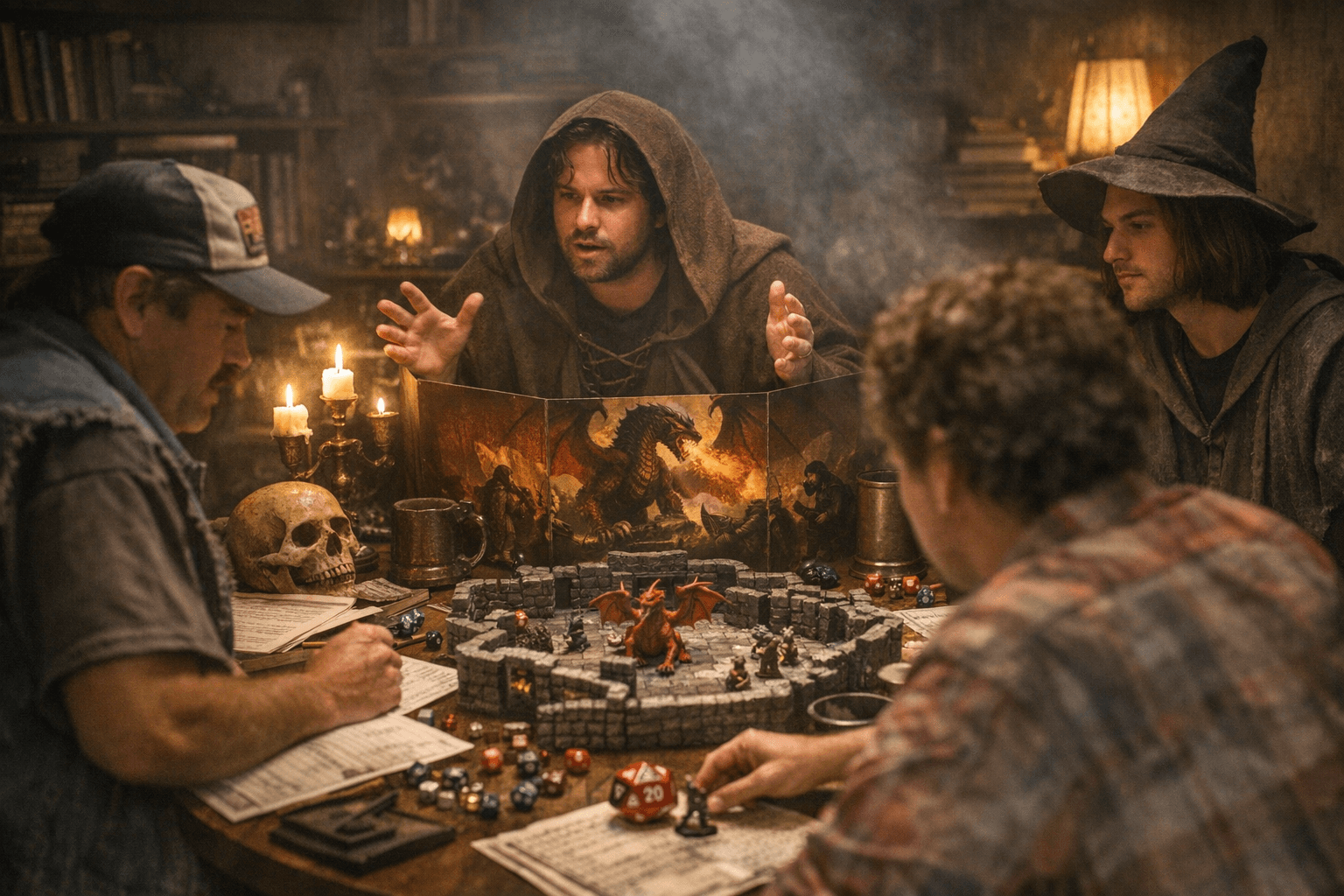
You don't need a dragon hoard to get started, just a handful of basics. For physical play, bring polyhedral dice (a d20 is the star), pencils, character sheets, a printed basic rules or Player's Handbook, and some scratch paper; minis and battle maps help but are optional. For digital play, a D&D Beyond account plus a virtual tabletop like Roll20 or Foundry covers character management and tokens; audio/video tools and a shared Google Doc are enough to coordinate. Focus on accessibility: one good screen, a willing group, and the rules you need to resolve actions are all that matter.
2. Starter sets and first-adventure choices
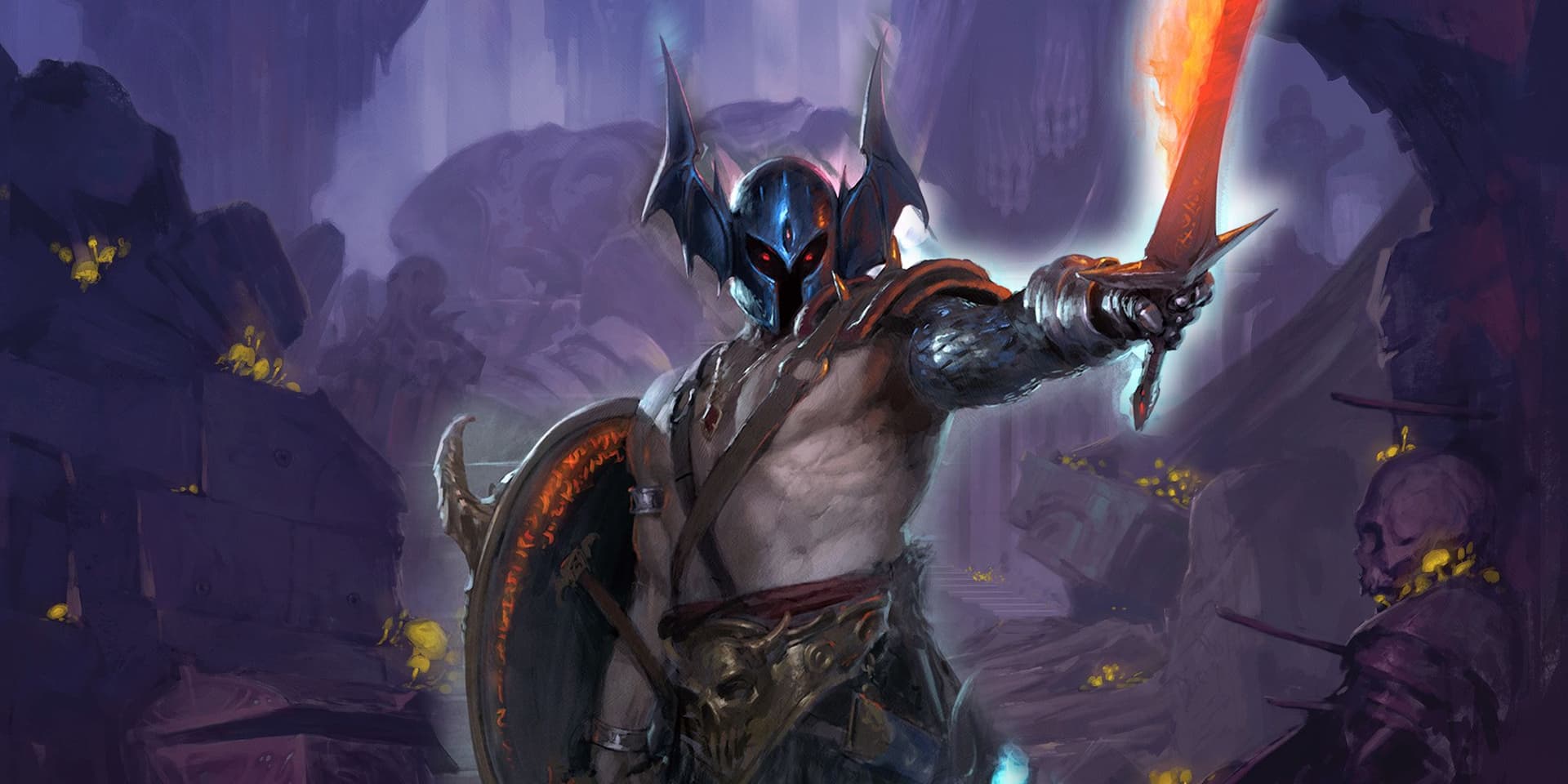
Picking the right starter product gets you into the game faster and reduces prep stress. Look for boxed starter sets or beginner boxes that include pre-made characters, a concise adventure, and simplified rules, Wizards’ Heroes of the Borderlands starter box is a current accessible option that bundles these elements for quick pickup play. Choose an adventure that teaches the three pillars (combat, social, exploration) and can scale; one-shots and short adventures are great first picks because they close neatly and teach flow without long-term commitment. If nothing fits, use a single-session “intro” dungeon or town scene and expand later, adapting is part of the hobby.
3. Why a small core + a willing group is enough
D&D thrives on stories and cooperation more than on hard-to-find components. A small stack of core materials (basic rules, dice, character sheets) and a group willing to play is sufficient to run meaningful sessions and learn by doing. New groups often make rules-light house calls, resolve unclear rules with a quick ruling and note it for later, and that keeps the game moving and the fun alive. Community play shows that comfort, creativity, and consistent scheduling matter more than the latest book or mini.
4. How to pick or adapt a starter adventure as a DM
Start by asking what experience you want to deliver: a tense dungeon crawl, a roleplay-heavy mystery, or a balanced intro to all pillars. Read the adventure once for flow, then mark key beats: hooks, three encounters, and an escalation point. Strip out complex NPC motivations or large maps if time or player experience is limited, and replace them with simpler consequences, this lowers prep time and reduces table friction. Always have a couple of “on-ramps” to pull players back into the story if they wander; improvisation beats paralysis.
5. Schedule your first session and set expectations
Keep your first session bite-sized: aim for 2–4 hours so attention doesn’t sag and you can fit in character introductions, an opening scene, and one or two meaningful encounters. Start with a session zero: discuss tone, safety tools, table expectations, and any house rules. Communicate whether the game will be one-shots, a campaign, or a series of short arcs to align commitment levels. Timeboxing scenes and being explicit about break times keeps the table happy and focused.
6. Balancing combat, social, and exploration pillars
A beginner-friendly session mixes pillars in digestible chunks so players learn different modes of play. Design one combat that showcases tactics and simple terrain, one social interaction that tests roleplay and skill checks, and one exploration beat to reward curiosity with clues or loot. Use adjustable encounter difficulty and non-lethal stakes for first fights to keep momentum without demoralizing new players. Teaching each pillar steadily helps players discover their preferred playstyle while keeping the group engaged.

7. Player basics: choosing class, race, and using character sheets
Advise new players to pick a class that matches the kind of fun they want: straightforward frontline roles (fighter, barbarian) for simpler tactics, casters for resource management, and rogues or bards for skill and roleplay versatility. Choose a race that complements your chosen class mechanically and flavor-wise; racial traits can be small but meaningful boosts at early levels. Learn the character sheet by focusing on AC, HP, main attack/spell, proficiencies, and a couple of skills, ignore deep minutiae until it matters. Consider pre-generated characters for the first session to speed play and reduce choice paralysis.
8. Running the first session: practical DM tips
Prepare one-page NPCs with motivations and 2–3 lines of description so you can roleplay quickly; have stat-blocks to hand for enemies and key NPCs. Use milestone or simple XP tracking in early levels to avoid bookkeeping; leveling after a major session keeps momentum. If players stall, pivot to a skill challenge, a clue discovery, or a low-stakes combat to keep action flowing, sometimes you just need to roll with it. Collect short feedback afterward to tune tone, pacing, and difficulty for future sessions.
9. Helpful digital and community tools
Leverage D&D Beyond for character building, compendia, and digital dice; combine it with a VTT for maps and remote play. Use community-made cheat sheets and starter encounter packs to reduce prep time; many local game stores and online groups run newbie tables that welcome first-timers. Joining a community lets you borrow ideas, snag pre-made adventures, and find players or DMs for one-shots.
Our two cents? Treat your first few sessions like a charm roll: aim for fun, expect occasional fumbles, and let the table learn together. Keep prep light, pick an approachable starter like Heroes of the Borderlands or a short one-shot, and focus on the story beats your group enjoys, if they're laughing, scheming, or tense at the right times, you’re already hitting natural 20s.
Know something we missed? Have a correction or additional information?
Submit a Tip