How Walmart associates can request disability accommodations at work
The ADA National Network and federal guidance explain how associates can request workplace accommodations and what employers must do. This matters for associates seeking medically necessary adjustments.
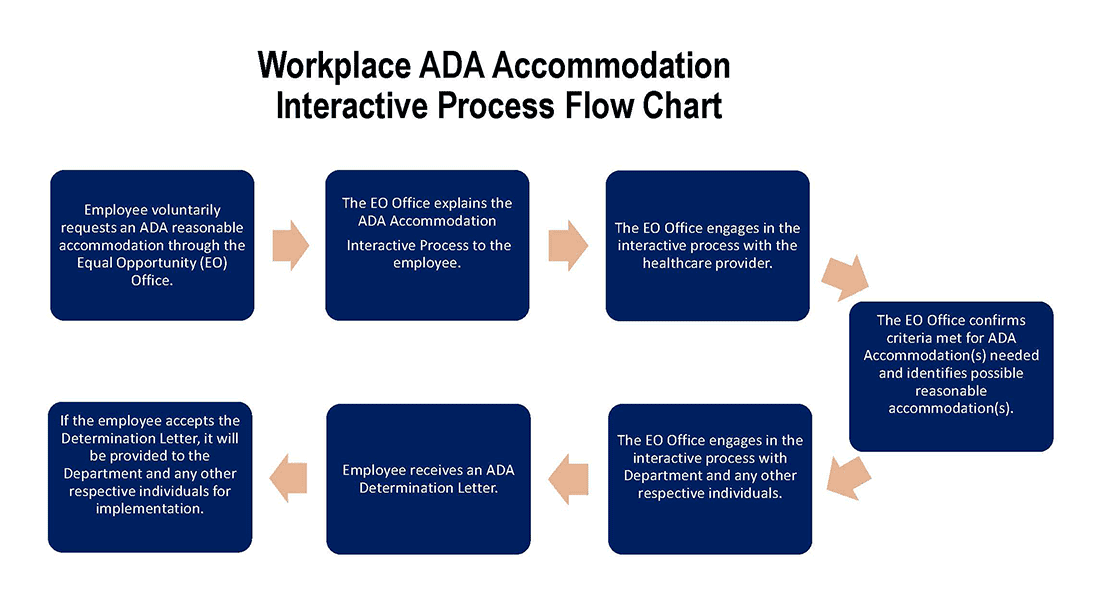
Walmart associates who need changes at work for a medical reason have a clear path to start the process and understand employer responsibilities. Federal guidance and the ADA National Network outline practical steps for requesting reasonable accommodations, how employers must respond, and what workers should expect from the interactive process.
An associate or a representative can notify a supervisor, manager, or human resources representative that a work change is needed for a medical reason. The request does not have to use legal language or even be in writing. Still, the guidance stresses that written records are often recommended so there is a clear account of what was asked for and when. Notification triggers the employer obligation to engage in an interactive dialogue to identify possible accommodations and to evaluate whether they are reasonable.
The interactive process is a mutual conversation between the associate and the employer to clarify limitations and match them with workplace adjustments. Employers may ask for medical information when the need or the connection to work is not obvious. Medical documentation should be kept confidential and maintained separately from general personnel files. Employers are also expected to keep records of accommodation requests and the steps taken to address them.
Examples of reasonable accommodations commonly discussed include schedule changes to accommodate medical appointments or treatment, temporary or permanent modifications to duties, reassignment to a vacant position when necessary, changes to workstation layout, or assistive devices. The guidance draws a line between disability-related accommodations and ordinary workplace preferences; a request tied to a medical limitation generally requires evaluation under the ADA framework, while a routine preference for a particular shift or task does not.

For associates, the practical steps are straightforward: tell your supervisor or HR that you need a change for a medical reason, consider putting the request in writing, be prepared to describe your limitations and possible accommodations, and keep your own records of communications. If someone else is acting as your representative, make sure the employer has any required authorizations.
The guidance makes clear that employers must consider reasonable alternatives and cannot simply deny requests without engaging in the interactive process or showing that a proposed accommodation would cause undue hardship. If a request is denied, associates should ask for the employer’s explanation and consider next steps, including contacting the ADA National Network or filing a charge with the Equal Employment Opportunity Commission if appropriate.
For Walmart associates, knowing these steps can help move an accommodation request from uncertainty into a structured conversation that protects confidentiality and seeks workable solutions. Expect a dialogue, document communications, and follow up with HR or your People team so you get the adjustments you need to do your job safely and effectively.
Know something we missed? Have a correction or additional information?
Submit a Tip