HPV vaccine saves hundreds of lives, study finds in England
No women aged 20-24 died of cervical cancer in England from 2020 to 2024, and researchers say the HPV jab helped drive deaths in this cohort to zero.

England recorded its first zero-death stretch for cervical cancer in women aged 20-24, with no deaths between 2020 and 2024 even though historical rates suggested about 23 would have been expected. Researchers at Queen Mary University of London said the finding is the strongest national proof yet that HPV vaccination is cutting cervical-cancer deaths, not just infections and precancerous disease.
The new Lancet analysis drew on population-based mortality data covering 2001 to 2024 and found a substantial drop in cervical-cancer deaths among women aged 20 to 29. Public-health experts say the result marks a turning point in the case for vaccination, because it shows protection reaching beyond laboratory markers and into mortality itself.
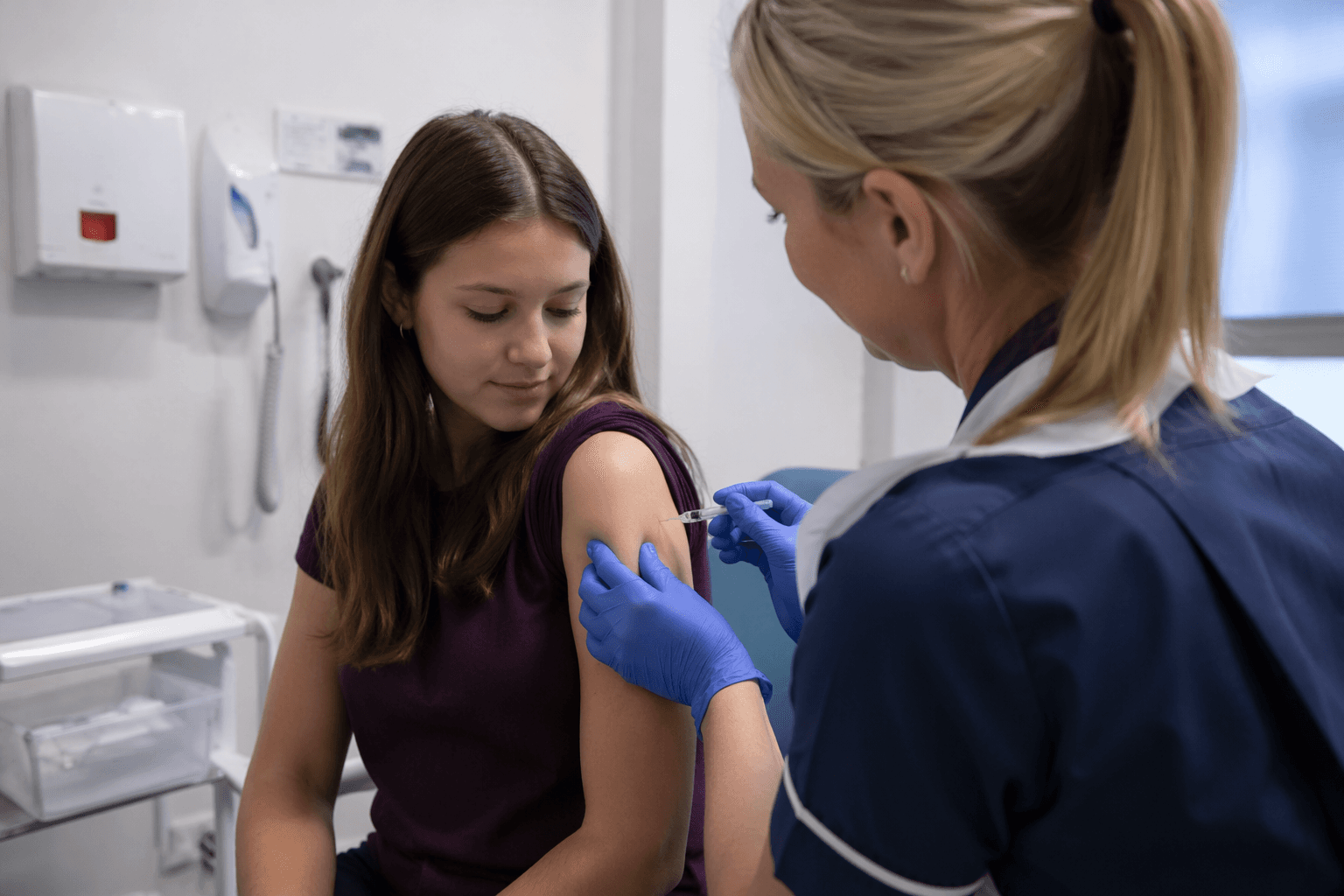
England began offering the HPV jab to girls aged 12 and 13 on 1 September 2008, with a catch-up programme for girls aged 14 to 18 running from 2008 to 2010. The programme was extended to boys in September 2019. Earlier England data had already shown the scale of the effect: by 30 June 2019, vaccinated cohorts were estimated to have experienced 448 fewer cervical cancers and 17,235 fewer cases of CIN3 than expected. A 2021 Lancet study went further, finding the programme had almost eliminated cervical cancer in women born since 1 September 1995.
The latest findings land at a moment when policymakers are trying to push the disease closer to elimination rather than merely control. NHS England says cervical cancer causes about 685 deaths a year in England and that 99.8% of cases are caused by HPV. It says the vaccine can prevent up to 90% of cervical cancer cases, but screening still matters because the jab does not protect against every HPV type.
That is why the NHS elimination plan, published on 15 November 2023, links vaccination with screening and treatment targets, aiming to eliminate cervical cancer by 2040. The plan aligns with the World Health Organization’s 90-70-90 goal for 2030: 90% HPV vaccination by age 15, 70% screening by age 35 and again by 45, and 90% treatment of precancer and invasive cancer.
The public-health challenge now is no longer just proving that the vaccine works. It is keeping uptake high enough, especially in communities where vaccination has fallen and screening inequalities persist. The NHS has already moved to a single-dose HPV offer from September 2023, and says the latest vaccine introduced in 2021 is expected to be even more effective than the previous version. For England, the mortality data now offer a rare proof-point: when coverage is high, a once-common cancer can be pushed toward disappearance.
This article was produced by Prism’s automated news system from verified source data, official records, and press releases, then run through automated quality and moderation checks before publishing. The system is built and supervised by the people who set the standards it runs under. Read our full AI policy.
Know something we missed? Have a correction or additional information?
Submit a Tip