HSBC chief warns AI will reshape jobs, retrain workforce
HSBC said AI will erase some banking roles, create others, and push its 200,000 staff into faster retraining as it races to simplify work.
HSBC’s AI message landed in the language of productivity, but the workplace reality is sharper: routine jobs in onboarding, compliance, contact centers and back-office processing are the most exposed, while the bank is steering hiring toward the people who can build, govern and use the new tools.
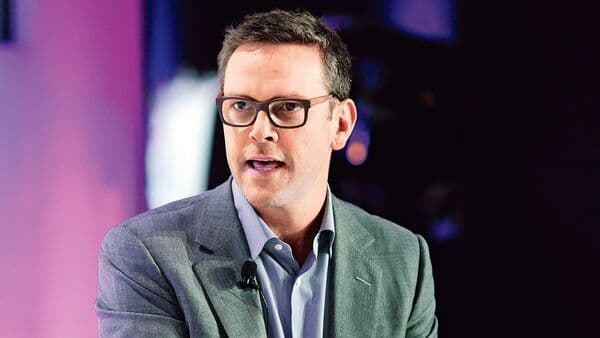
Georges Elhedery told investors that generative AI would destroy certain roles in financial services while creating new ones, and he cast the shift as a company-wide transition rather than a layoff program. HSBC wants its 200,000 colleagues to stay on the journey, with the tools, capabilities and training needed to become more productive and future-ready. For frontline staff, that means more work supported by AI in customer service and approvals. For back-office teams, it means deeper pressure to automate tasks that have long depended on manual checks and repeated data entry.

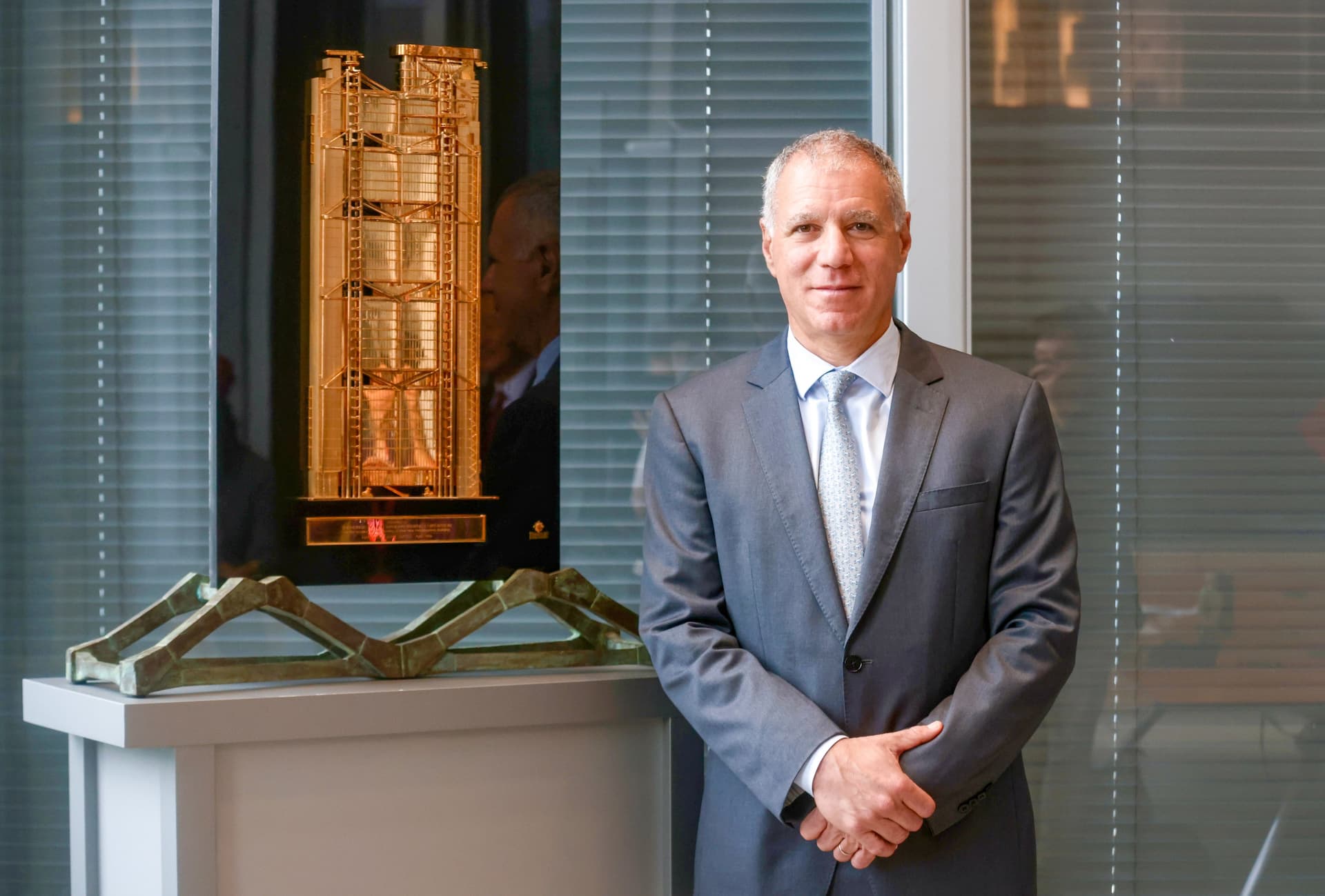
HSBC has already moved beyond the talking point. On March 23, the bank said David Rice would become its first chief AI officer, effective April 1, and that generative AI tools would be made available to all staff to simplify processes, procedures and policies. The bank also said it was expanding the remit of its chief technology officer to modernize core platforms and build a central AI platform for colleagues. That combination points to new demand for AI platform builders, data and controls specialists, and managers who can translate internal automation into customer-facing gains.

The bank’s own numbers show why the pressure is rising. HSBC said its generative AI assistant supports 3 million client interactions a year in corporate and institutional banking, and that 88% of those clients rated it easy to deal with. Elhedery has also described real-time approvals and processing as a moonshot, linking AI not just to cost savings but to faster revenue growth and customer acquisition. In practical terms, that means the biggest test is no longer whether AI can answer questions; it is whether it can compress the time between a customer request and a decision.

HSBC expects to hit its US$1.5 billion annual cost-saving target six months early, by the end of June, and Reuters reported that the figure is equal to about 8% of staff expenses. The savings are tied to simplification and reorganization, which suggests hiring plans will tilt away from lower-value tasks and toward roles that support automation, risk management and service redesign.
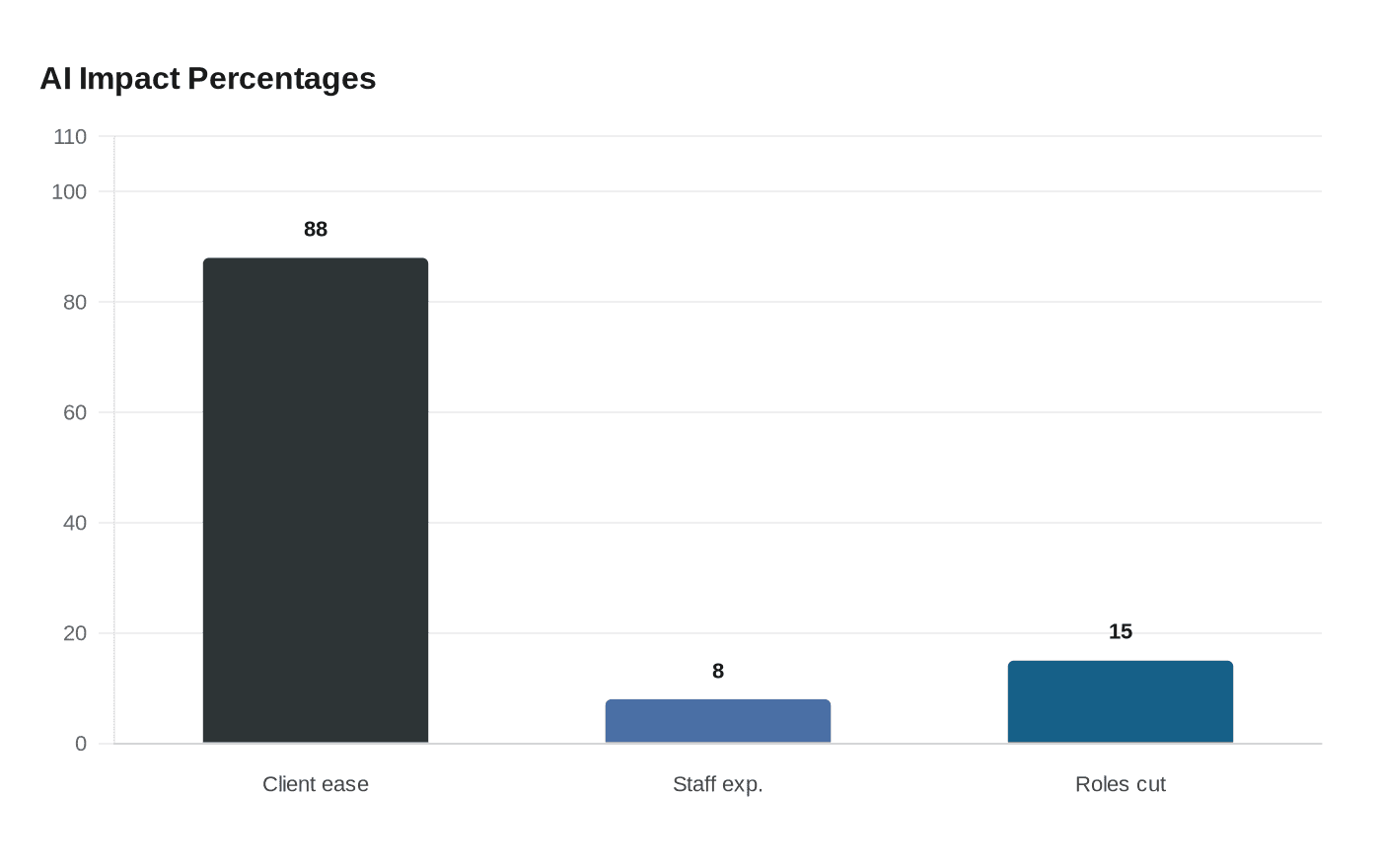
The broader industry signal came from Standard Chartered, which on May 19 said it would cut more than 7,000 jobs over four years and reduce 15% of corporate function roles by 2030, while offering retraining to affected workers. Together, the two banks show that AI is no longer a side experiment in banking. It is becoming a force that is reshaping staffing, training and workflow design across the sector.
Know something we missed? Have a correction or additional information?
Submit a Tip