Huang says Nvidia’s $200 billion CPU market includes China
Huang signaled China still sits inside Nvidia’s $200 billion CPU bet, even as H200 sales remain stalled by U.S.-China controls.

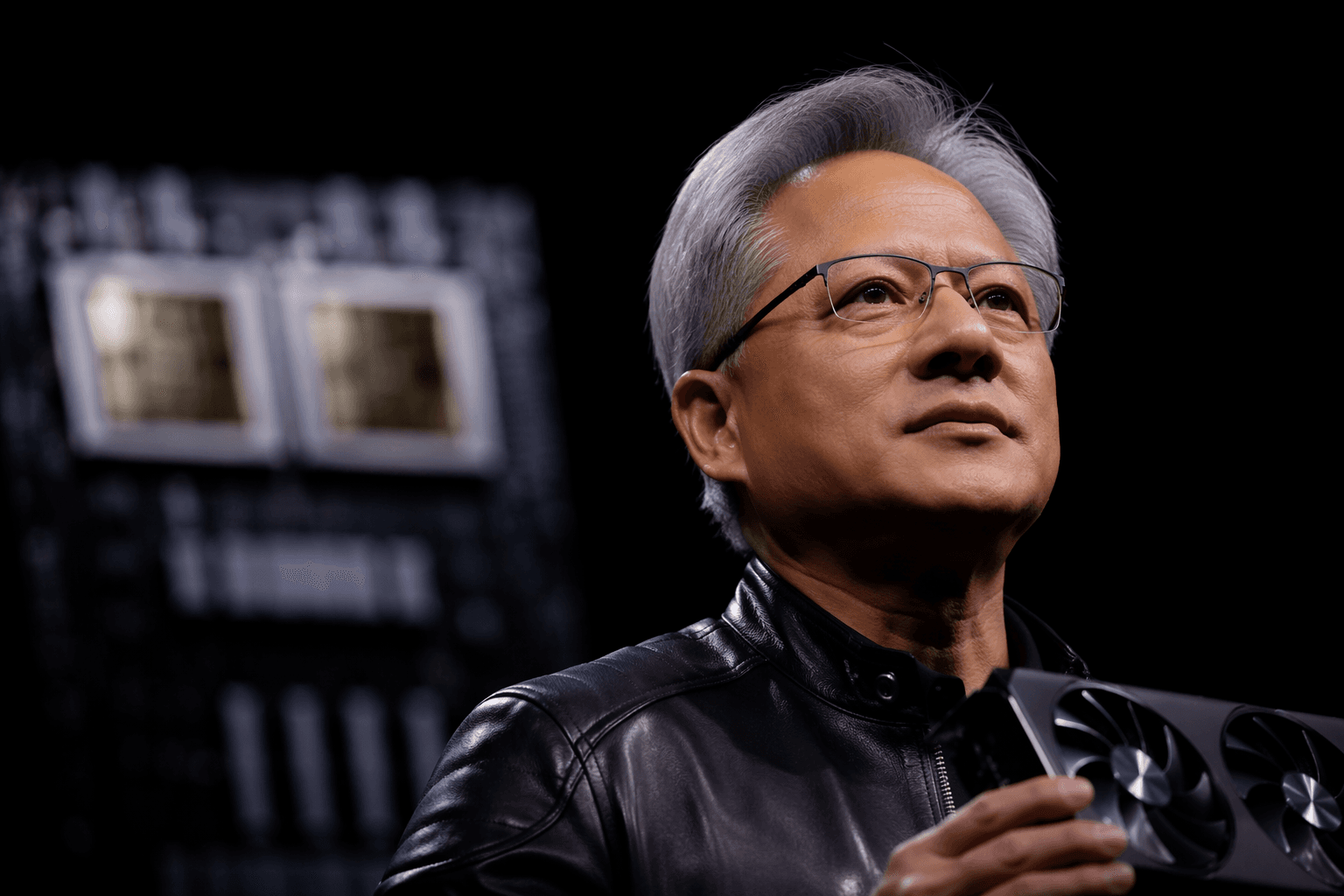
Jensen Huang is still counting China in Nvidia’s long-range chip opportunity, a notable signal that the company sees the market as too large to write off even as Washington and Beijing keep the screws on advanced semiconductors. In Taipei on Saturday, Huang said his forecast for a $200 billion market for central processors included China, a remark that sharpened the contrast between Nvidia’s investor messaging and the export limits shaping near-term sales.
Asked directly whether the $200 billion figure included China, Huang replied, “I would think so,” and said it would be “terrific” to serve that market if approvals arrive. He described China as “very important” and “very large,” while also acknowledging that his recent talks with Xi Jinping in Beijing had not produced an immediate breakthrough for H200 sales. That matters because Huang had told investors on Wednesday that Nvidia’s Vera central processors open a fresh market beyond graphics chips, as businesses and AI developers move toward agentic AI systems that can perform autonomous functions.
The shift in tone is significant. In 2025, Huang said Nvidia would exclude China from revenue and profit forecasts because of tightening U.S. export restrictions. Now he is again publicly folding China into a large future market, even though the practical route back remains blocked. Nvidia has U.S. licenses to sell its H200 chips, but Chinese approval is still pending, and no deliveries had been made. On May 14, the U.S. Commerce Department had cleared around 10 Chinese firms to buy the chips, including Alibaba, Tencent, ByteDance and JD.com, with Lenovo and Foxconn also among the approved distributors. Reuters said each approved customer could buy up to 75,000 chips under the licensing terms.
The tension underscores how much of the semiconductor growth story still runs through China, whether investors want to hear it or not. Before export curbs tightened, Nvidia commanded about 95% of China’s advanced chip market, and China once accounted for about 13% of Nvidia’s revenue, or roughly $17.1 billion, before advanced-chip sales were sharply reduced. Huang has also estimated that China’s AI market alone would be worth $50 billion this year, a reminder that the country remains both a revenue pool and a policy risk.
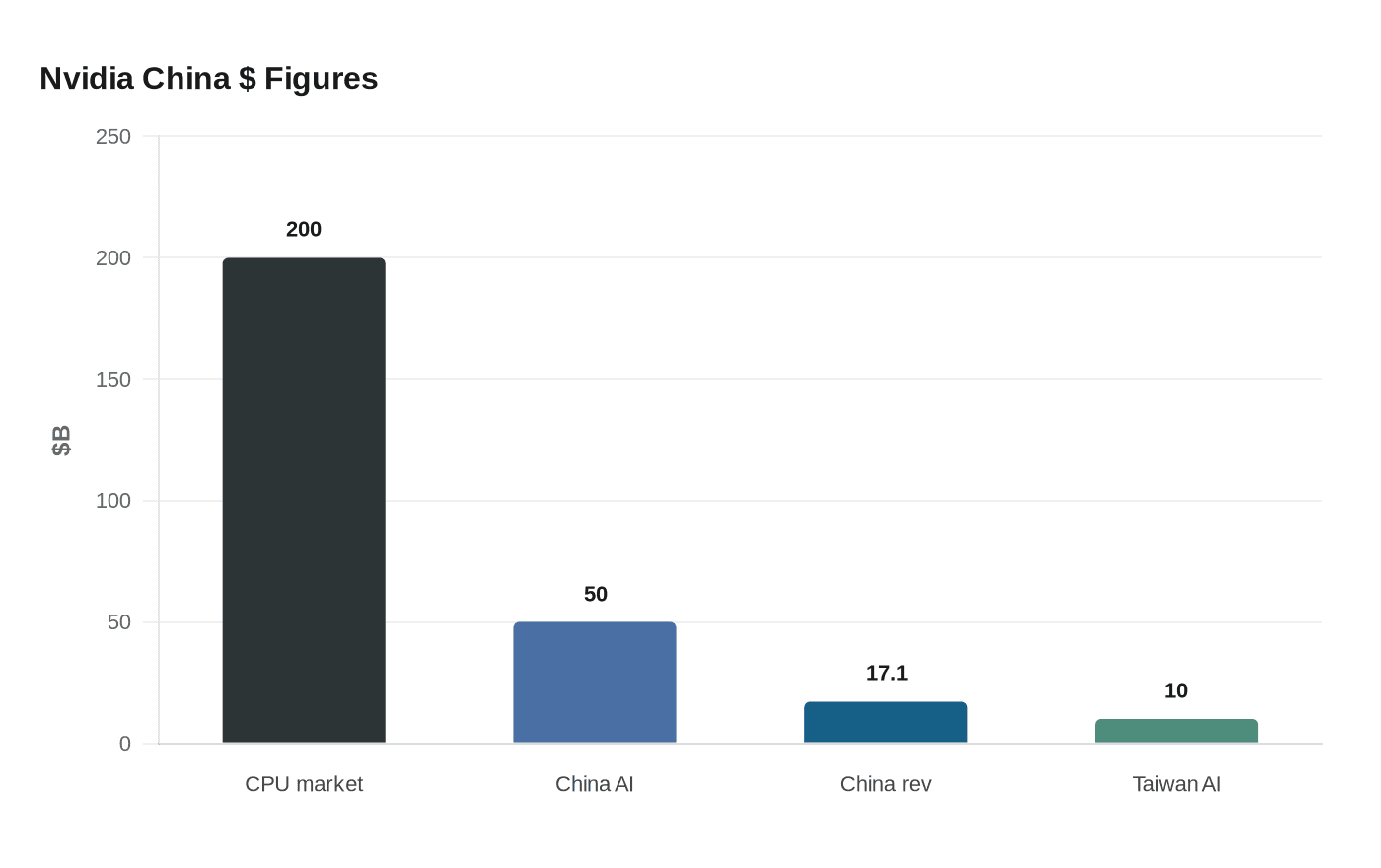
Huang was in Taipei ahead of next month’s Computex trade show and said he planned to meet with TSMC, the contract chipmaker that sits at the center of the global AI hardware supply chain. AMD added to the competitive pressure on Thursday, saying it would invest more than $10 billion in Taiwan’s AI sector. For Nvidia, the message from Taipei was clear: the company still wants China in the long-term addressable market, even if policy reality keeps that market partially sealed off for now.
This article was produced by Prism’s automated news system from verified source data, official records, and press releases, then run through automated quality and moderation checks before publishing. The system is built and supervised by the people who set the standards it runs under. Read our full AI policy.
Did this article answer your question?

%3Amax_bytes(150000)%3Astrip_icc()%2FCertificate-of-deposit-2301f2164ceb4e91b100cb92aa6f868a.jpg&w=1920&q=75)
