Huge bluefin sightings push offshore activity off Virginia Beach
Offshore activity surged after Atlantic bluefin fisheries reopened; anglers must monitor NOAA subquotas and secure VMRC permits for upcoming season changes.
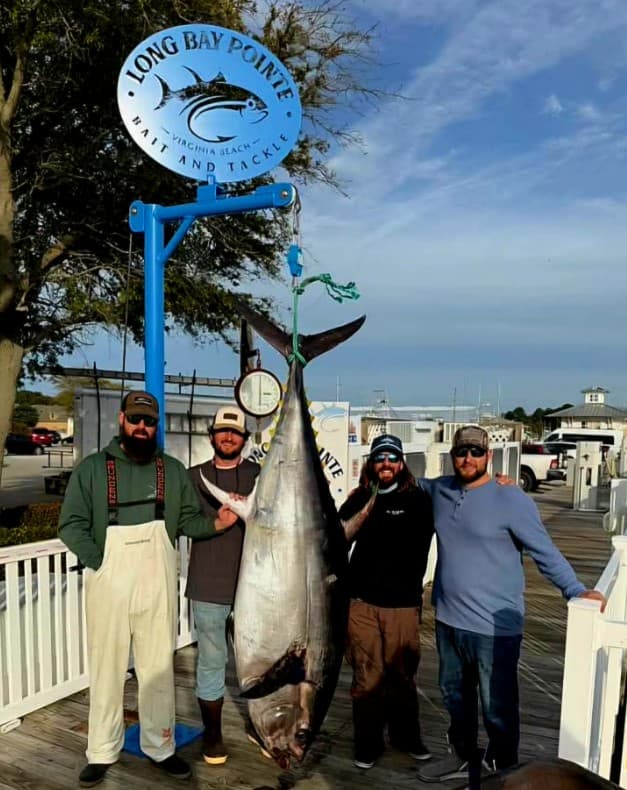
The offshore bite has become the center of attention after both the recreational trophy bluefin fishery and the commercial General category for Atlantic bluefin reopened on January 1. Reports of very large bluefin off Virginia Beach — including fish in excess of 600-lb trailing dense bait schools — have driven increased boat traffic and interest from recreational anglers and charter operators alike.
This heightened activity carries immediate management and safety implications. NOAA subquotas govern how much bluefin can be taken during the January to March period, and those subquotas can close or shift availability quickly. Anglers and charter captains need to monitor NOAA subquota notifications closely so trips, permits, and customer expectations align with what’s legally open. Commercial General category vessels and recreational trophy anglers are both operating under the reopened windows, so pay extra attention to zoning and reporting rules when you’re on the water.
Not all the action is offshore. Inshore and Chesapeake Bay fisheries remain productive as well, with catch-and-release striped bass fishing active. Live eels and heavy Mojos are the go-to baits and tactics being recommended for Bay and nearshore work; those tools help put anglers in contact with larger stripers that are still present in tidal creeks and channel edges. For charter customers, clear communication about target species and expected tactics will help trips run smoothly when switching between offshore bluefin runs and Bay stripers.
Looking ahead, sea bass season is set to reopen in February, and anglers need a Virginia Marine Resources Commission (VMRC) permit to participate. All sea bass catches must be reported as required by VMRC rules; failure to carry the proper permit or to report landings can result in citations and could jeopardize fishery access for the local fleet. That makes permit paperwork and catch reporting a practical first step before rigs hit the water this winter.
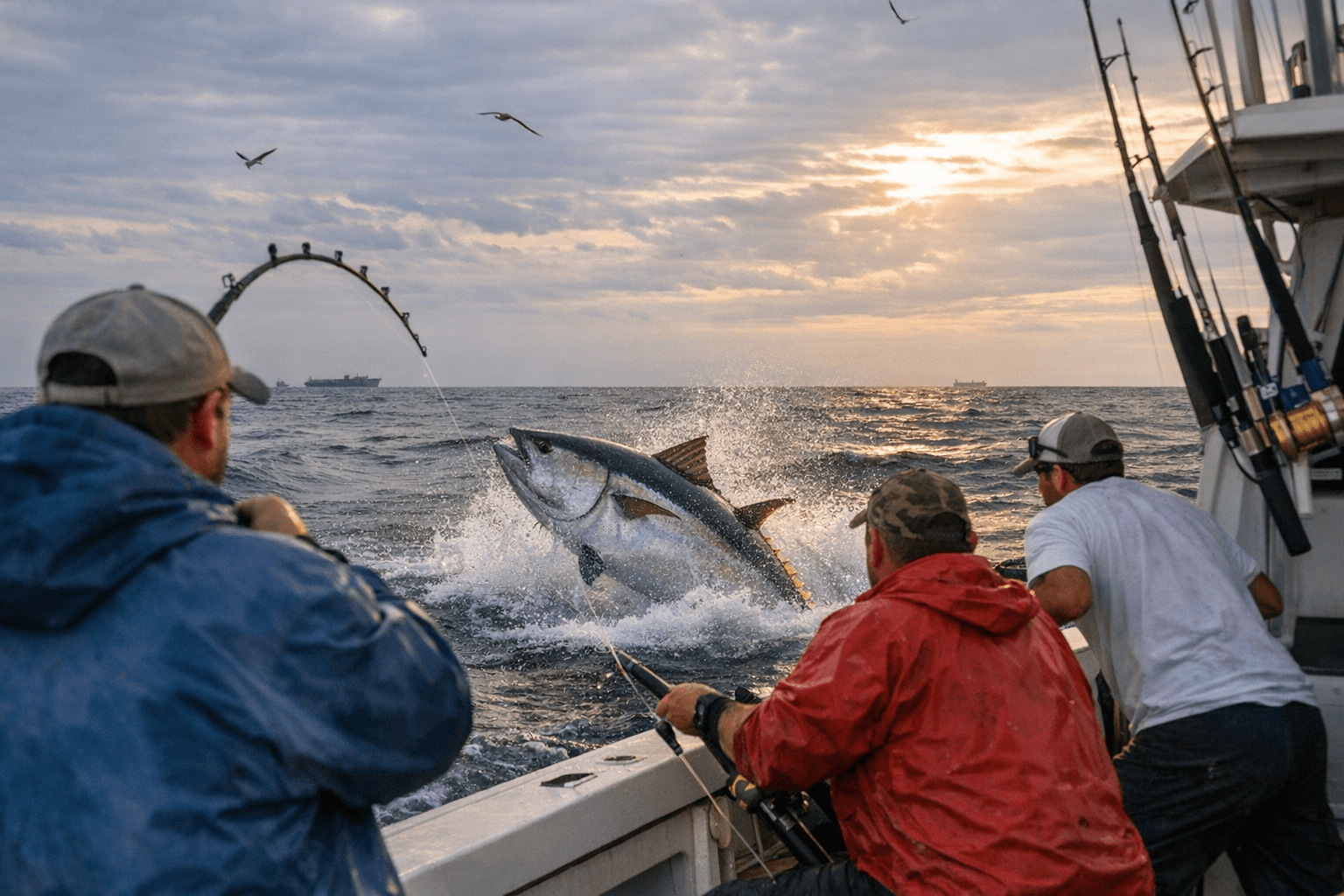
Safety and fish handling remain top priorities when large bluefin are involved. Prepare heavy tackle, crew plans for secure handling, and methods that minimize fight time and stress on fish if release is intended. For charter operators, double-check passenger briefings and on-deck procedures before stepping off the dock.
The takeaway? The bluefin bite has turned the spotlight offshore, but the Bay and inshore fisheries are still doing work. Our two cents? Check NOAA subquota notices every morning, sort VMRC permits and reporting before you leave port, and rig for heavy fish so you can safely chase big tuna without surprises.
Sources:
Know something we missed? Have a correction or additional information?
Submit a Tip