Hundreds kidnapped by Boko Haram freed from Nigeria mountain hideout
More than 360 women and children freed from Boko Haram captivity are now being treated after two infants died in the harsh mountain hideout.
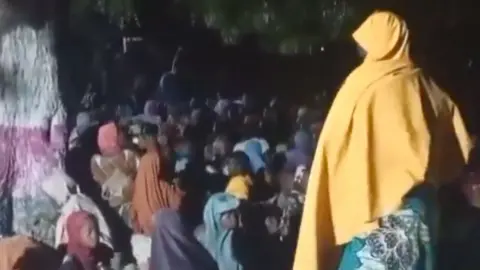
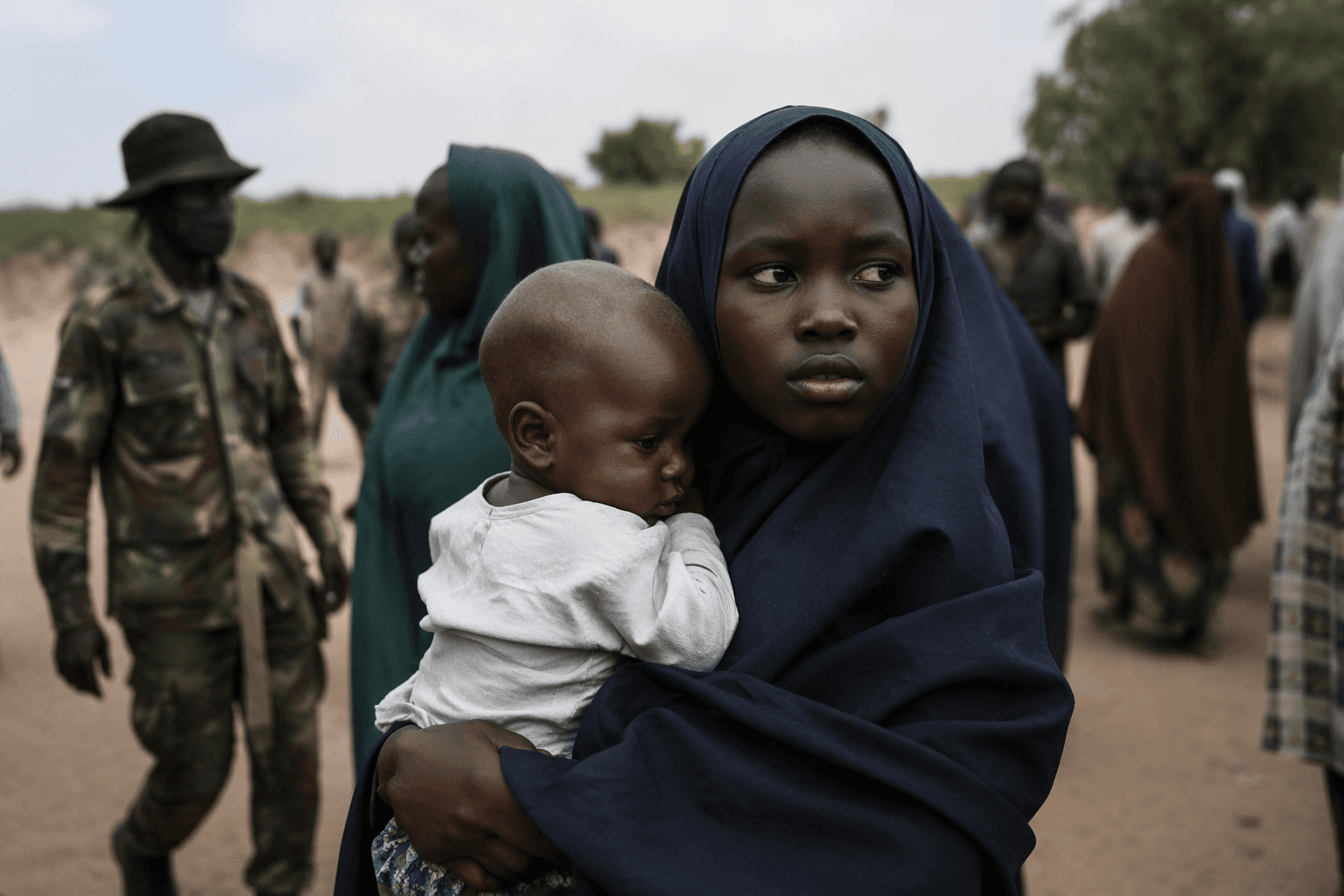
Women and children pulled out of Boko Haram captivity in Borno state are now facing the most difficult part of the ordeal: medical treatment, recovery from exhaustion and the long aftermath of months in a mountain hideout. Nigerian security forces said at least 360 people were freed from the Mandara mountains, while a local youth leader said 416 women and children were released from Ngoshe.
The captives had been taken in March from Ngoshe in Gwoza Local Government Area, less than 10 kilometers from the Cameroonian border, when the area came under attack as residents were reportedly breaking their Ramadan fast. They were held in the Mandara mountains, part of Boko Haram’s stronghold, until they were moved to safe locations for medical care and humanitarian support. Authorities said the group received medical screenings, and two infants died from exhaustion and the harsh conditions of captivity.
The circumstances of the release remain contested. The Nigerian army described the operation as intelligence-led and weeks in the planning, saying its forces pushed fighters to abandon their positions. The Borno South Youth Alliance said it had been communicating with the militants and secured the unconditional release, underscoring how often security gains in the northeast are disputed even when hostages come home alive.
For the freed families, the immediate crisis is survival after captivity, but the broader test is whether the rescue marks a turning point or only a brief success in a conflict that has stretched on for more than a decade. Boko Haram’s insurgency began in 2009 and has killed tens of thousands while displacing millions. Its kidnapping tactics have become part of a wider criminal economy in Nigeria, where armed groups, bandits and the Islamic State West Africa Province faction have driven a rise in abductions for ransom.
The scale of that crisis remains stark. A recent report cited $1.66 million in ransom payments in Nigeria between July 2024 and June 2025. The memory of the 2014 Chibok kidnapping still hangs over any new rescue operation: more than 200 schoolgirls were taken then, and around 90 remain missing. For the people freed from Ngoshe, liberation is only the beginning; for Nigeria, the question is whether this mountain operation signals durable pressure on Boko Haram or another temporary reprieve in a war that has not ended.
This article was produced by Prism’s automated news system from verified source data, official records, and press releases, then run through automated quality and moderation checks before publishing. The system is built and supervised by the people who set the standards it runs under. Read our full AI policy.
Know something we missed? Have a correction or additional information?
Submit a Tip