Russian drone strike kills three at Ukraine bus stop, hits Chernobyl site
Russian drones killed three civilians at a bus stop in Balabyne and struck a Chernobyl-linked fuel storage site, reigniting nuclear safety fears.

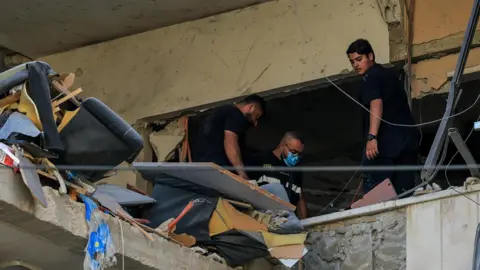
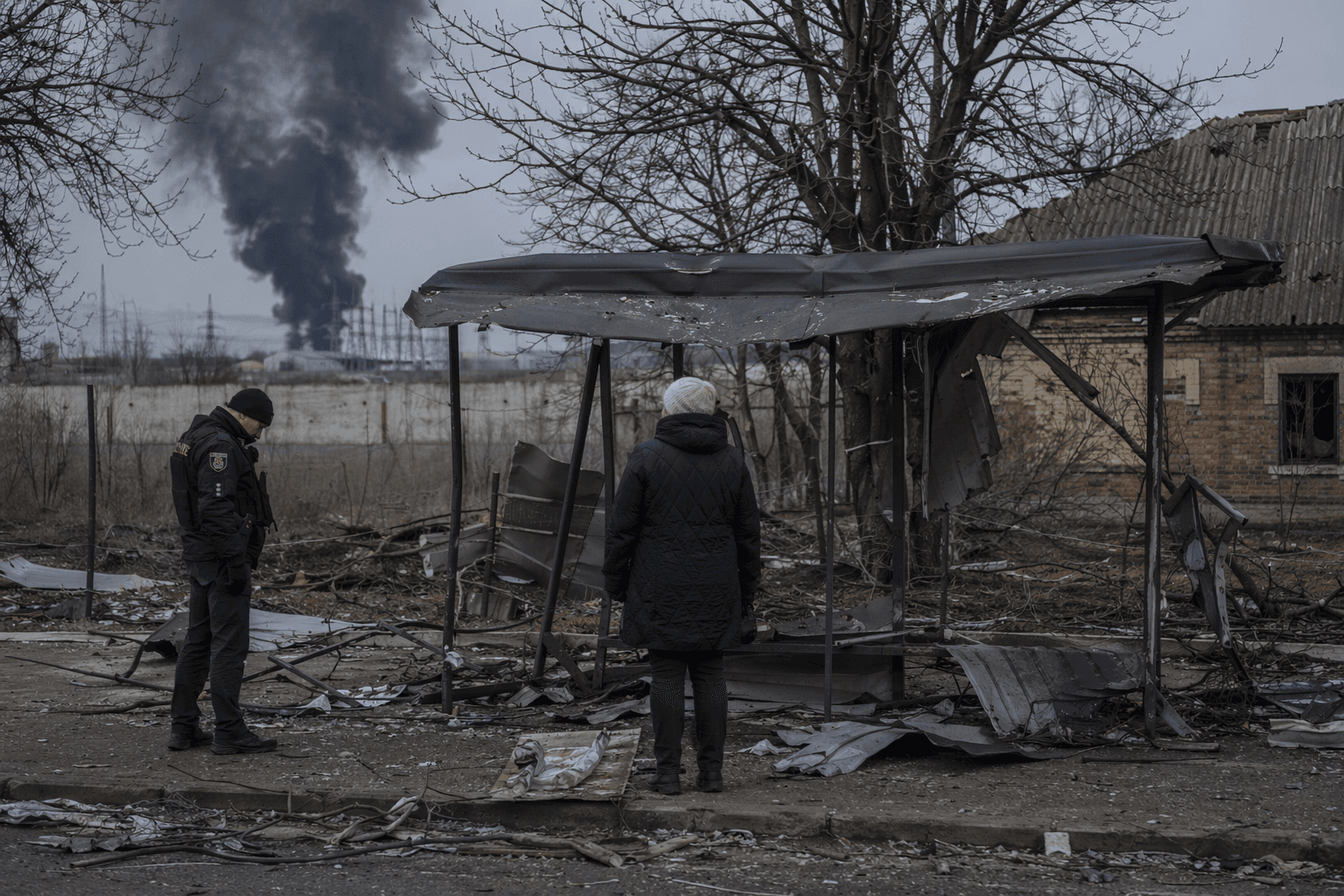
The latest Russian drone attack killed three people at a bus stop in Balabyne and hit a nuclear storage facility tied to Chernobyl, pushing civilian casualties and nuclear risk into the same strike. One more person was wounded in the southeastern Zaporizhzhia region, while Ukrainian officials said a separate drone set off a fire near spent nuclear fuel infrastructure inside the Chornobyl Exclusion Zone.
The strike at Chernobyl landed at the Centralized Spent Nuclear Fuel Storage Facility, about 15 kilometers, or 9 miles, from the Chernobyl Nuclear Power Plant. Ukrainian officials said the drone hit a fuel-reception or container-receiving building and that no spent nuclear fuel was stored there at the time. The fire was extinguished within about an hour, and radiation readings remained stable and within safe limits, easing immediate fears of a release.
Still, the attack sharpened alarm over how close the war has come to Ukraine’s most sensitive nuclear sites. Volodymyr Zelenskyy condemned the strike as an “extremely vile” act and said Russia had deliberately targeted a nuclear facility. The International Atomic Energy Agency said it had been informed of drones near the site, including two above one of the intermediate spent fuel storage facilities, and said inspectors would urgently assess the damage.
Ukrainian investigators classified the strike as a war crime. The Security Service of Ukraine said the hit on the storage complex near the Chernobyl plant crossed a clear legal and strategic line, as the war increasingly tests protections around nuclear installations that were never designed to withstand repeated drone attacks.
The danger is not only immediate damage but escalation risk. Chernobyl has already been struck before, including a February 2025 drone attack that damaged the New Safe Confinement over the destroyed reactor and took weeks of smouldering fires to fully extinguish. That history makes each new impact harder to dismiss: even when radiation levels stay stable, repeated strikes on nuclear infrastructure raise the chance of an error, a larger fire or damage to systems that are meant to keep radioactive material sealed away.
This article was produced by Prism’s automated news system from verified source data, official records, and press releases, then run through automated quality and moderation checks before publishing. The system is built and supervised by the people who set the standards it runs under. Read our full AI policy.
Know something we missed? Have a correction or additional information?
Submit a Tip