Trump-brokered Lebanon cease-fire stalls as Hezbollah rejects truce
Cease-fire talks in Washington stalled as Hezbollah rejected withdrawal terms, while Israeli strikes returned to Beirut’s Dahiyeh and the toll in Lebanon climbed past 3,400 killed.
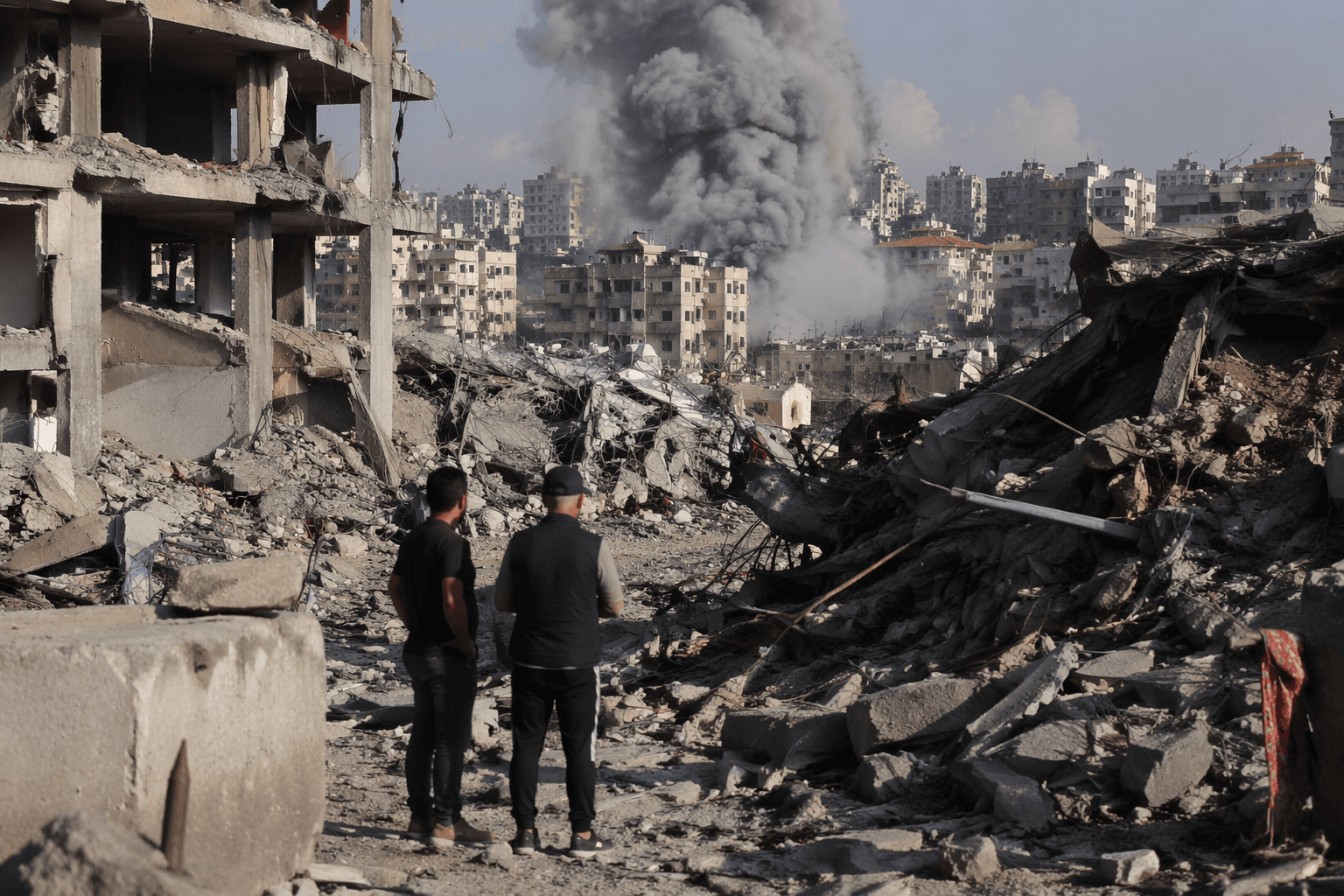
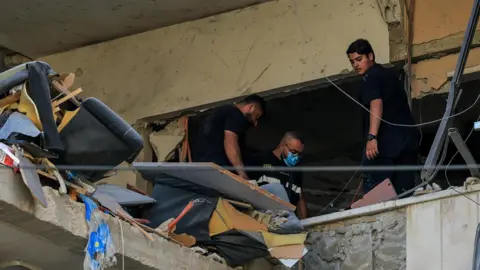
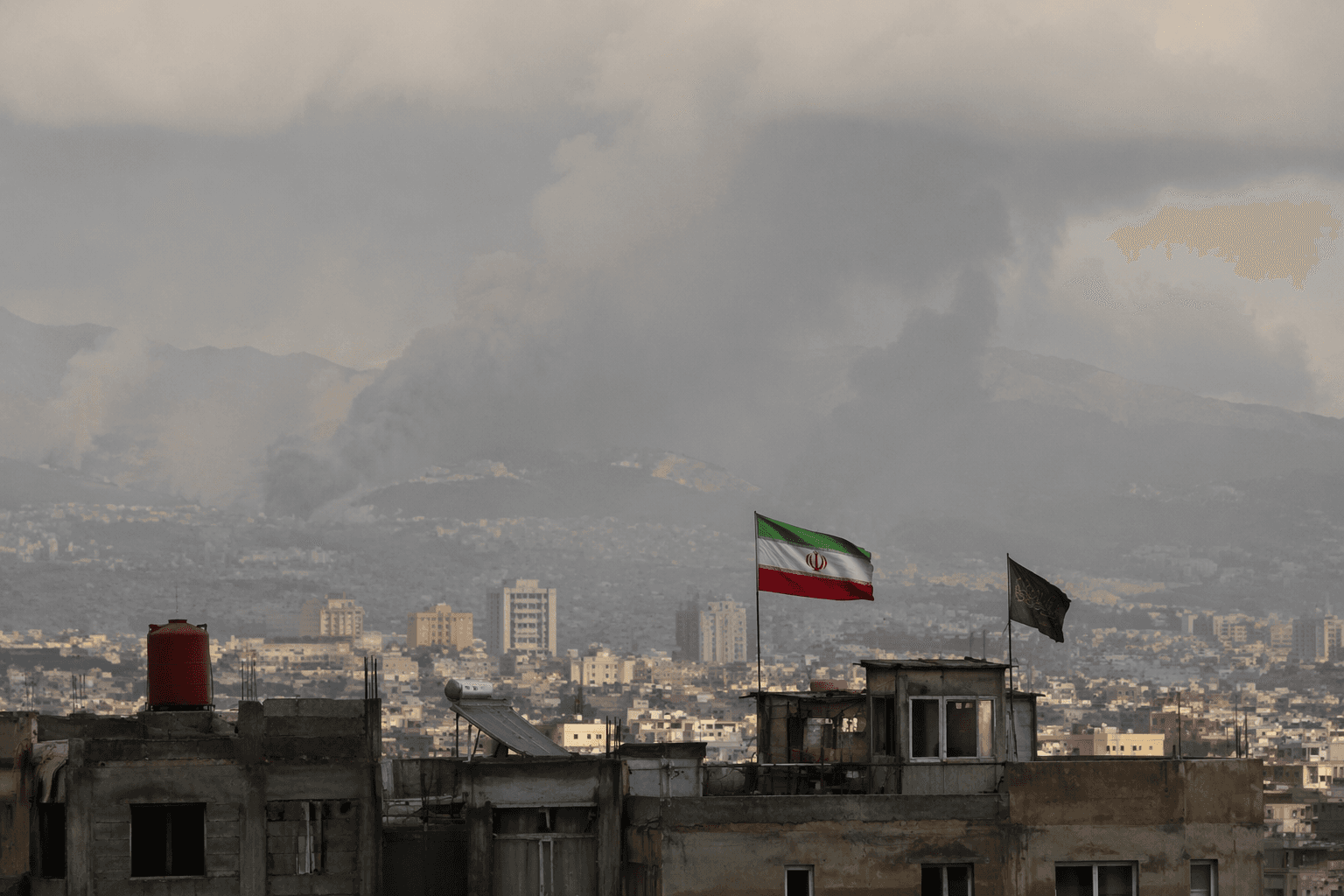
Diplomacy and battlefield reality moved in opposite directions as U.S.-backed cease-fire talks advanced in Washington and Israeli strikes resumed around Beirut. Thousands fled the capital’s southern suburbs, known as Dahiyeh, after renewed attack threats, while the fighting also pushed displacement into Tyre and Saida and left civilians, hospitals and other infrastructure exposed to more damage.
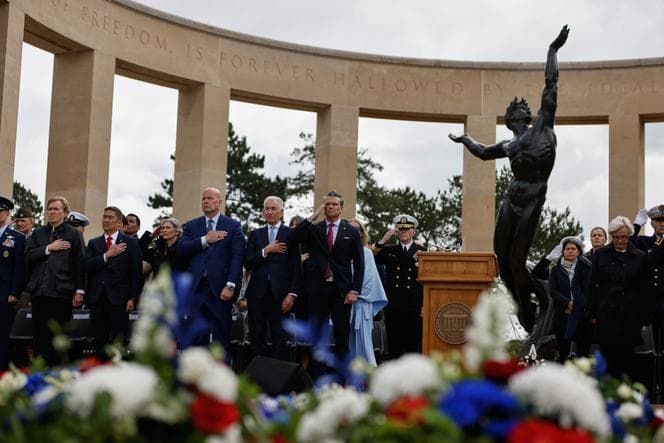
The latest framework, announced in Washington on June 4, required Hezbollah to stop firing first and pull its fighters out of areas south of the Litani River. It also envisioned “pilot zones” where the Lebanese Armed Forces would take exclusive control. Lebanese President Joseph Aoun has cast the effort as a last chance for a durable truce, but Hezbollah leader Naim Qassem rejected the deal and demanded a complete Israeli withdrawal from Lebanon.
Israel has refused that demand and said it would not leave southern Lebanon. Israeli forces have continued strikes there while also renewing attacks on Beirut’s southern suburbs after curtailing such bombardment for weeks at the request of the Trump administration. Israeli officials have argued that Hezbollah’s rocket and drone fire from Lebanon has erased any sense that Beirut’s Hezbollah stronghold is off-limits, hardening the logic of escalation even as negotiations continue.
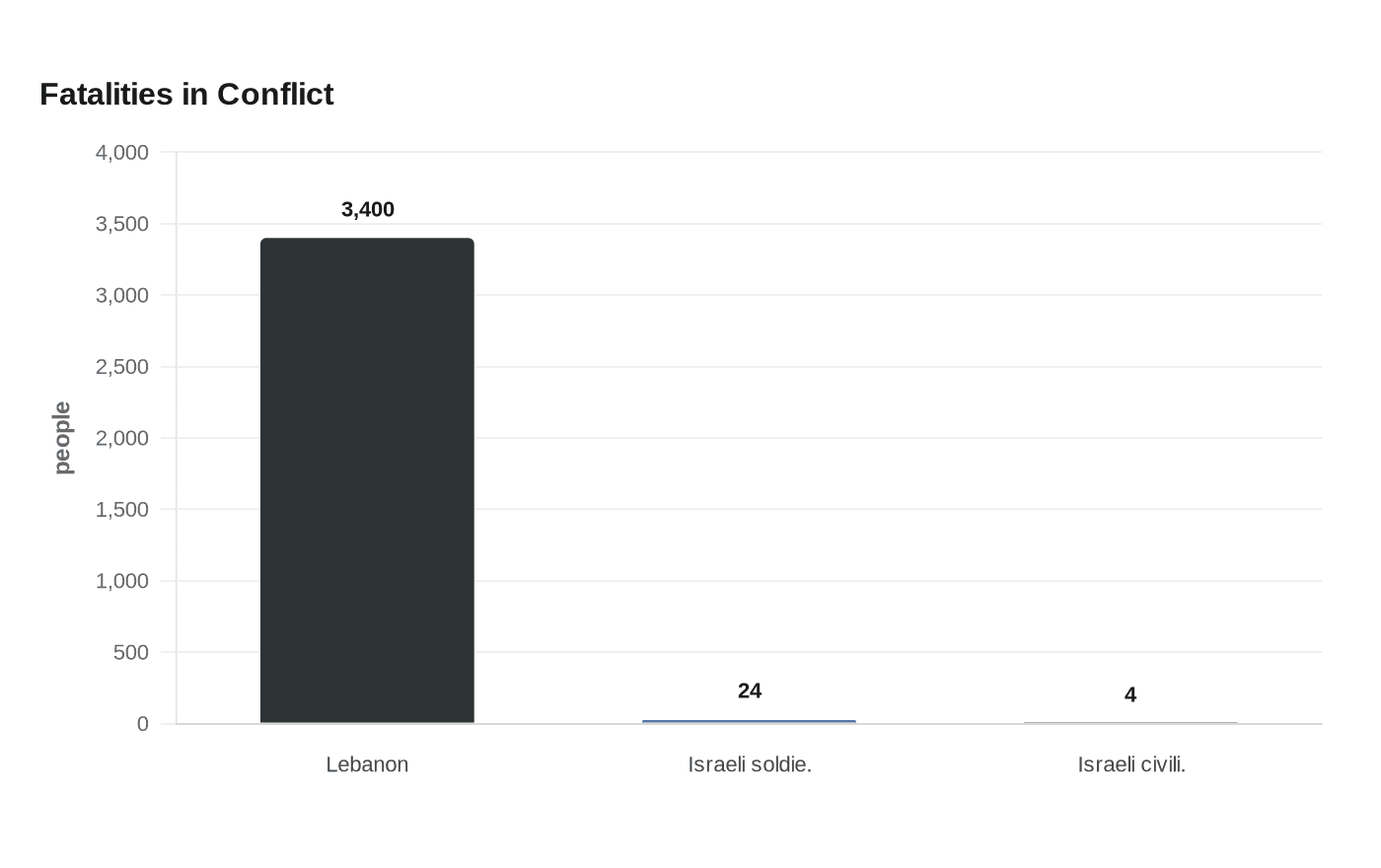
The stakes are rising against the backdrop of a cease-fire arrangement that took effect on April 16 but was never fully observed by either side. Since the current round of fighting began on March 2, Lebanese authorities say more than 3,400 people have been killed in Lebanon, and the United Nations says more than 10,000 have been injured. Israel says 24 of its soldiers and four civilians have been killed over the same period.
The United Nations has warned that the fighting has put civilians and essential services at risk, and the UN Security Council has been preparing emergency discussions as the toll climbs. The widening gap between the talks in Washington and the strikes around Beirut now carries a larger warning: without a deal both sides can accept, the confrontation could keep pulling Lebanon deeper into a regional war that already stretches beyond its borders and complicates U.S.-Iran diplomacy.
This article was produced by Prism’s automated news system from verified source data, official records, and press releases, then run through automated quality and moderation checks before publishing. The system is built and supervised by the people who set the standards it runs under. Read our full AI policy.
Know something we missed? Have a correction or additional information?
Submit a Tip