US, Iran remain far from peace deal at 100-day mark
A fragile ceasefire has held since April 8, but U.S.-Iran talks are still deadlocked over frozen assets and Lebanon. New Gulf incidents showed how quickly the war can spill across the region.
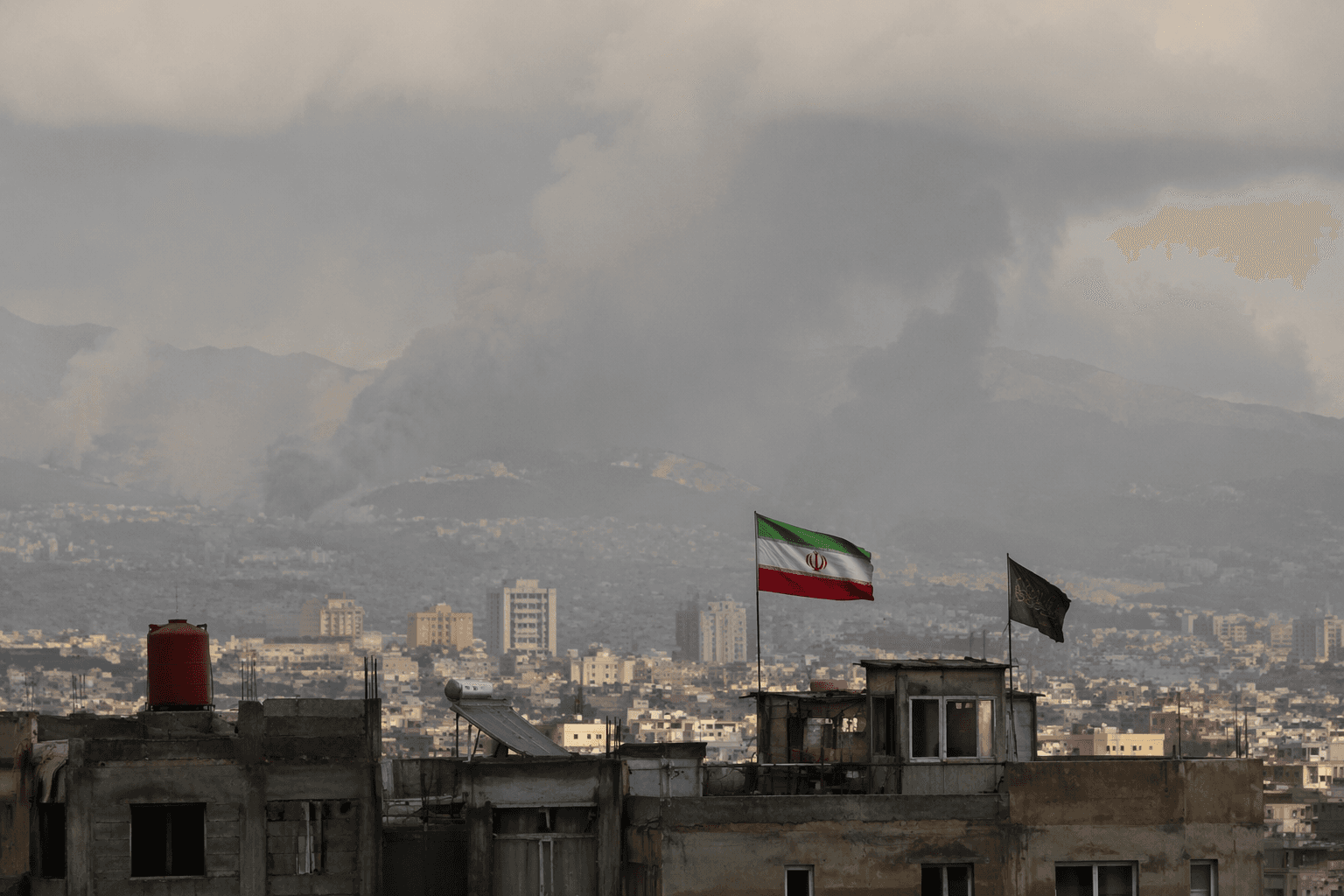
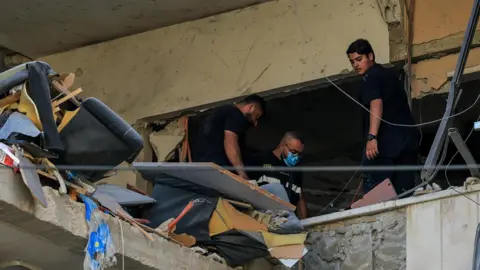
The 100-day mark has exposed how little room remains for diplomacy between Washington and Tehran. A fragile ceasefire has held since around April 8, but the war that began on February 28 with U.S. and Israeli strikes on Iran has still not produced a durable path to peace, with negotiations bogged down over billions of dollars of frozen Iranian assets and the parallel conflict with Hezbollah in Lebanon.
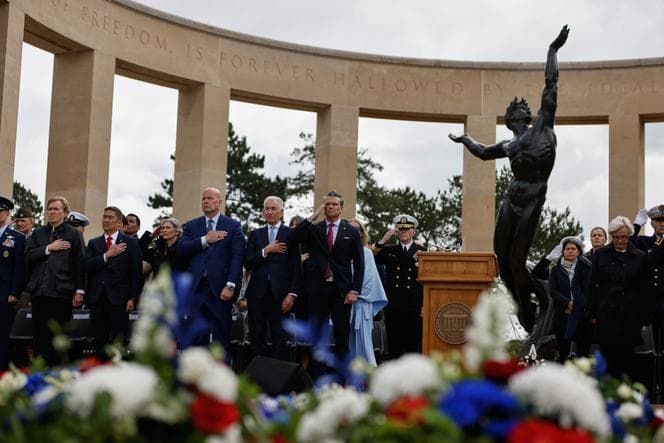
Reuters reported on June 2 that Iran was reviewing a proposed agreement to halt the war, yet Donald Trump said negotiations had been going on continuously and later dismissed the standoff by saying he “couldn’t care less” if the talks had stalled. CNN reported that an Iranian spokesperson accused the United States of taking contradictory negotiating positions, underscoring how far apart both sides remained even as the ceasefire technically held.
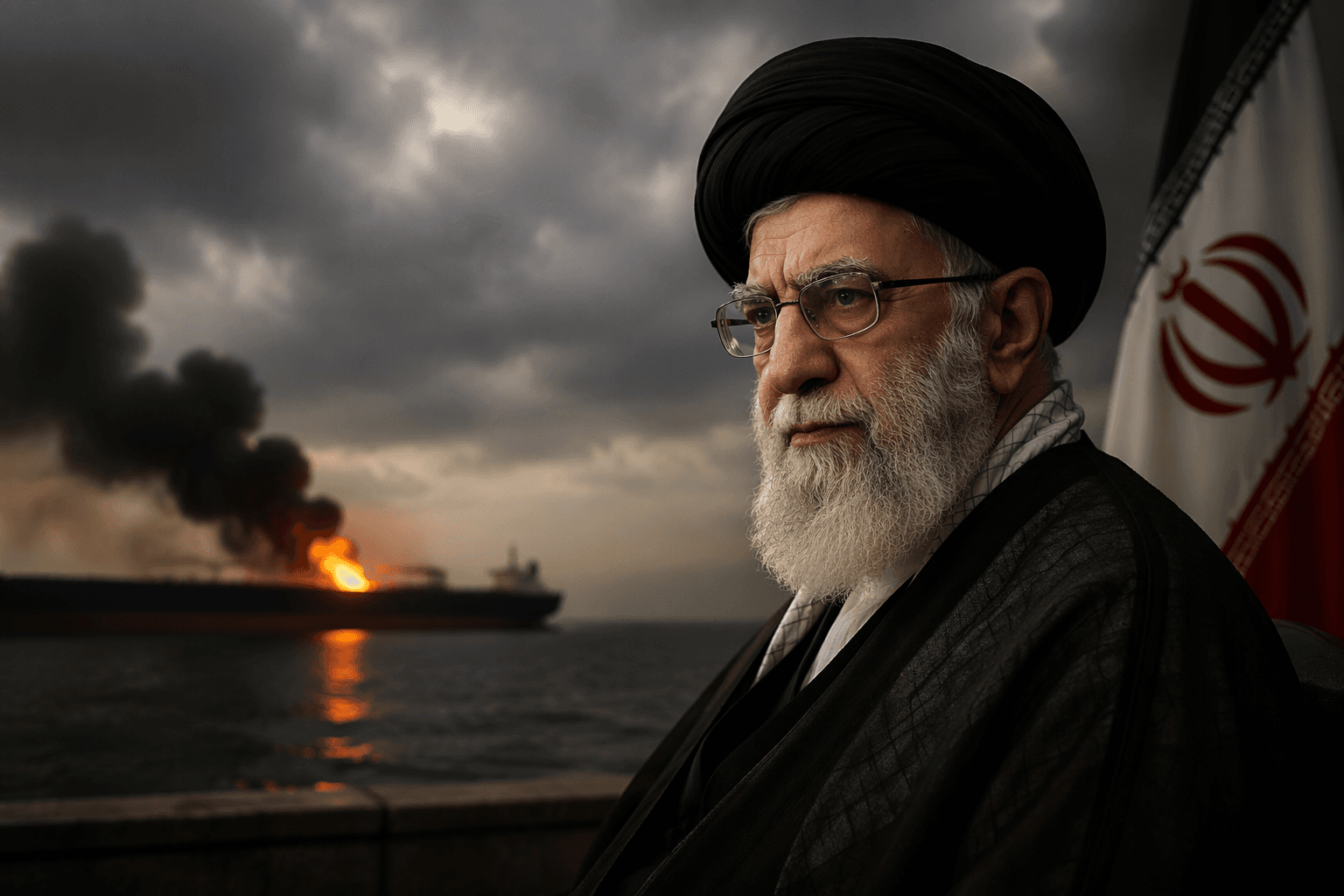
The assumptions behind a quick diplomatic off-ramp have also collapsed under fresh violence. Hostilities flared again in the Gulf on June 3 and June 4, with missile and drone-related incidents affecting Kuwait and Bahrain. CENTCOM said the U.S. shot down drones aimed at civilian mariners, a reminder that the conflict is still capable of spilling into commercial shipping lanes with little warning.
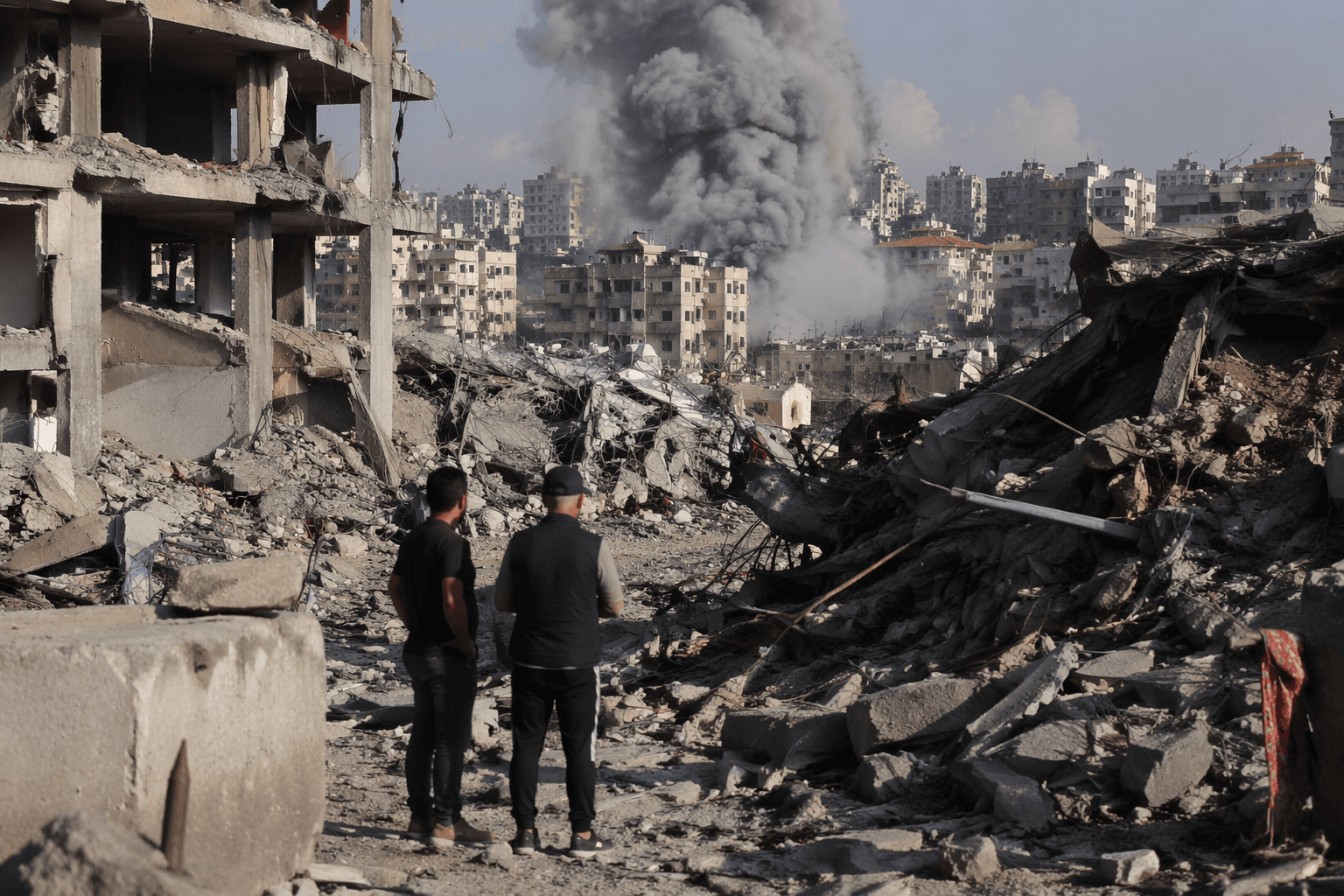
That risk is already showing up in the Strait of Hormuz, where commercial traffic has been severely limited. With the world’s energy markets watching every escalation, the war has roiled global markets and kept pressure on oil prices and shipping routes that matter well beyond the Middle East. The fighting has also intensified the Israel-Hezbollah conflict in Lebanon, widening the battlefield even as diplomats talk about de-escalation.
Coverage of the war says thousands have been killed since the fighting began, mainly in Iran and Lebanon, a toll that has deepened the humanitarian stakes of a conflict now stuck in political limbo. The larger pattern is hard to miss: war broke out during negotiations in June 2025 and again on February 28, 2026, suggesting that diplomacy has repeatedly failed to keep pace with escalation.
At 100 days, the stalemate is doing more than freezing talks. It is testing U.S. strategic credibility, keeping military risk high, and leaving Gulf security and global shipping exposed to the next miscalculation.
This article was produced by Prism’s automated news system from verified source data, official records, and press releases, then run through automated quality and moderation checks before publishing. The system is built and supervised by the people who set the standards it runs under. Read our full AI policy.
Know something we missed? Have a correction or additional information?
Submit a Tip