Hundreds of Allina Health Workers Stage One-Day Strike Over Labor Dispute
CBS News reported that hundreds of employees at Minnesota-based Allina Health walked off the job for a one-day strike, highlighting continuing tensions between health systems and frontline staff. The action underscores how staffing, pay and working conditions remain flashpoints with direct implications for patient care and health-system stability.
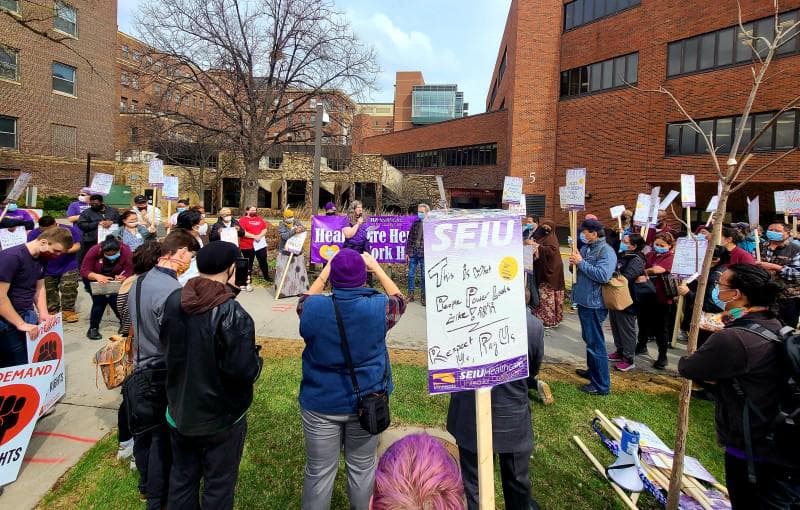
Hundreds of health care workers at Allina Health staged a one-day strike, CBS News reported, marking a notable escalation in labor activism within one of Minnesota’s largest health systems. The brief walkout, involving clinical and support staff, is the latest in a string of short-duration strikes across the United States as health care employees press employers for better wages, safer staffing levels and improved workplace conditions.
Allina Health, headquartered in the Twin Cities and operating hospitals, clinics and specialty services across Minnesota and western Wisconsin, has been a major regional employer throughout the pandemic-era workforce reshuffle. While one-day strikes generally leave facilities functioning, they are designed to concentrate visibility and leverage without triggering protracted service disruptions. Health systems typically institute contingency plans during such actions, reallocating staff, canceling nonurgent procedures and relying on managers or temporary hires to maintain emergency care, but the walkouts nonetheless place added strain on teams expected to absorb altered schedules and patient loads.
The concerns driving such labor actions reflect broader structural issues in American health care. Staffing shortages and burnout have persisted since the pandemic, and rising inflation has amplified pressure on wages. Research has repeatedly linked adequate nurse staffing and supportive workplace conditions to better patient outcomes, including lower mortality, fewer complications and reduced readmissions, making workforce disputes not only a matter of labor economics but also of public health. For hospital leaders and policymakers, the challenge is to reconcile fiscal pressures and staffing realities with the evidence that investment in staff capacity can reduce adverse outcomes and long-term costs.
The one-day strike at Allina also has political and societal dimensions. Local communities depend on consistent access to hospital services, and highly visible labor actions can shape public opinion and electoral priorities. They can also accelerate negotiations by focusing public attention on the stakes for patients and employees alike. For unions and worker-organizers, short, concentrated strikes are a tactical tool to demonstrate solidarity and community support while limiting long-term disruption for patients. For health systems, labor unrest can prompt accelerated bargaining, public-relations outreach and contingency staffing plans.
Absent detailed statements from the parties involved, the immediate practical effects of the strike beyond its symbolic force are difficult to quantify. However, the event underscores the persistent friction between frontline clinicians and administrators over resource allocation and workplace safety. As hospitals nationwide face financial constraints, demographic shifts that increase demand for care, and a labor market in which experienced clinicians are increasingly mobile, labor disputes are likely to remain a recurring element of the health-care landscape.
What happens next will depend on negotiations between worker representatives and Allina Health leadership, and on whether the one-day action leads to further targeted actions or a move toward settlement. For patients and communities, the episode is a reminder that the sustainability of local health services depends as much on workforce stability as on facilities and technology.
This article was produced by Prism’s automated news system from verified source data, official records, and press releases, then run through automated quality and moderation checks before publishing. The system is built and supervised by the people who set the standards it runs under. Read our full AI policy.
Did this article answer your question?