Hundreds of Gaza patients die waiting for medical evacuation abroad
Amina Abu al-Kas got hospital approval two weeks after she died. Hundreds more Gaza patients are still waiting for evacuation as the list keeps growing.
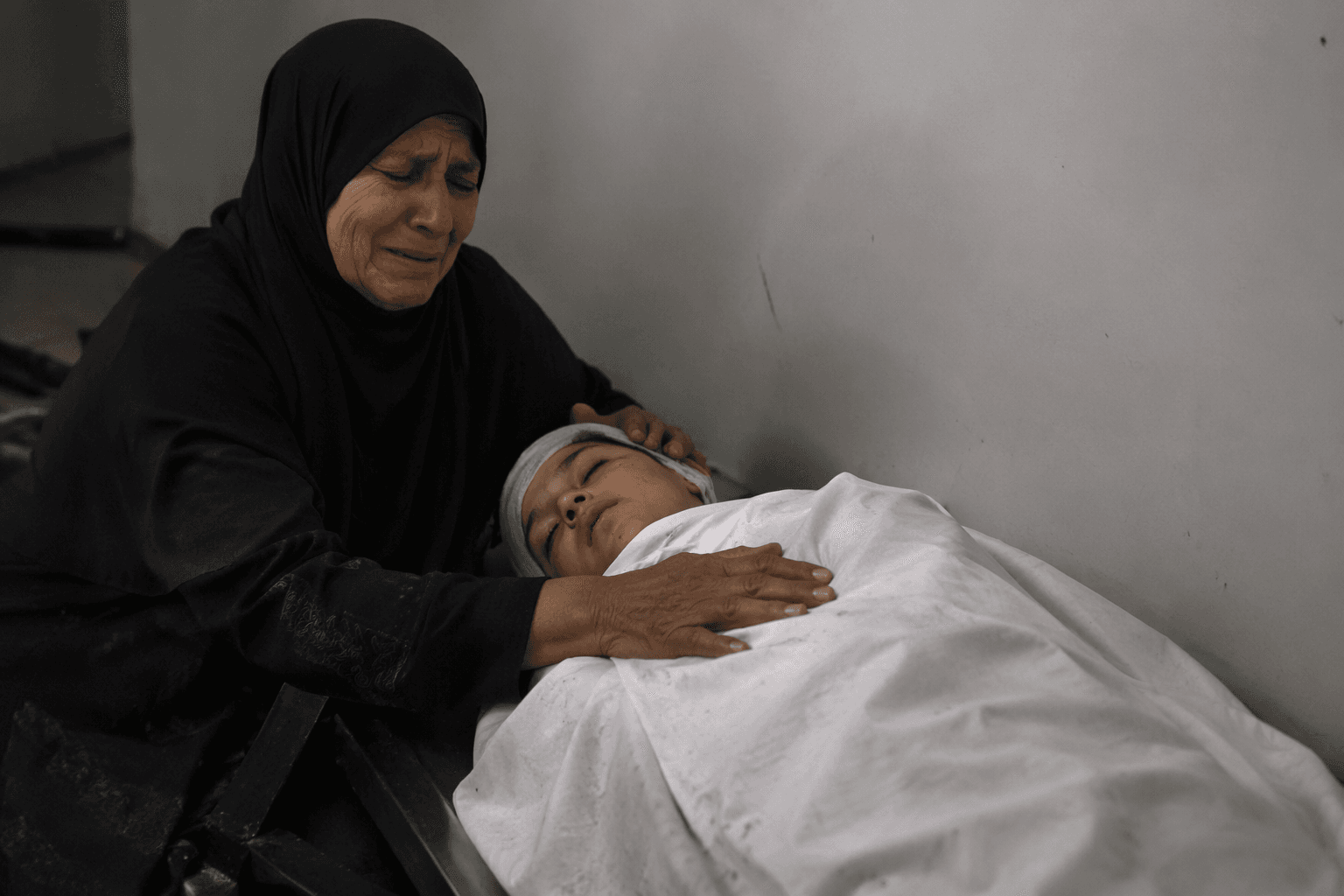
Amina Abu al-Kas died on 29 May, and the hospital approval her family had been waiting for arrived two weeks later. Her son, Saber Abu al-Kas, said doctors in Gaza could not provide the treatment she needed, leaving a referral for care abroad trapped behind a border system that moved too slowly to matter.
Gaza's Hamas-run health ministry puts the number at about 300 Palestinians referred for treatment abroad who have died since the ceasefire began. The World Health Organization put the number of patients who died while awaiting medical evacuation at 1,092 between July 2024 and 28 November 2025, warning that the total is likely under-reported as patient lists change and paperwork stalls.
In late 2025, United Nations humanitarian updates and the WHO put the number of patients needing medical evacuation above 16,500, including about 4,000 children, because the advanced care they required was unavailable in the Gaza Strip. By June 2026, the number had climbed above 18,500, with at least 4,000 children among those still waiting for a route out.
Medical evacuation is the transfer of severely ill or injured patients who need lifesaving specialised care that does not exist in Gaza. The system slowed sharply after the Rafah crossing was shut in May 2024, when Israel seized control of the crossing and transfers dropped from a wartime flow to a trickle. More than 7,000 patients were evacuated during the war, with Egypt taking more than half of them.
In October 2025, a WHO-led evacuation moved 41 critical patients and 145 companions out of Gaza. Doctors Without Borders counts Egypt, Qatar, the United Arab Emirates, Türkiye and Jordan among the countries that have taken evacuees, while other countries have accepted very few or none, leaving treatment access dependent on a narrow set of willing destinations and an approval chain that can break at any point.
Aid groups and UN officials have called for evacuation routes to reopen, especially to the West Bank including East Jerusalem, where some specialised care exists. The backlog changes constantly as patients' conditions worsen and authorisations lag.
This article was produced by Prism’s automated news system from verified source data, official records, and press releases, then run through automated quality and moderation checks before publishing. The system is built and supervised by the people who set the standards it runs under. Read our full AI policy.
Did this article answer your question?