Hungarian police probe media mogul Gyula Balasy over funds and money laundering
Hungarian police froze accounts and seized funds in a probe of Gyula Balasy, the billboard chief whose firms helped shape Orban’s political messaging.
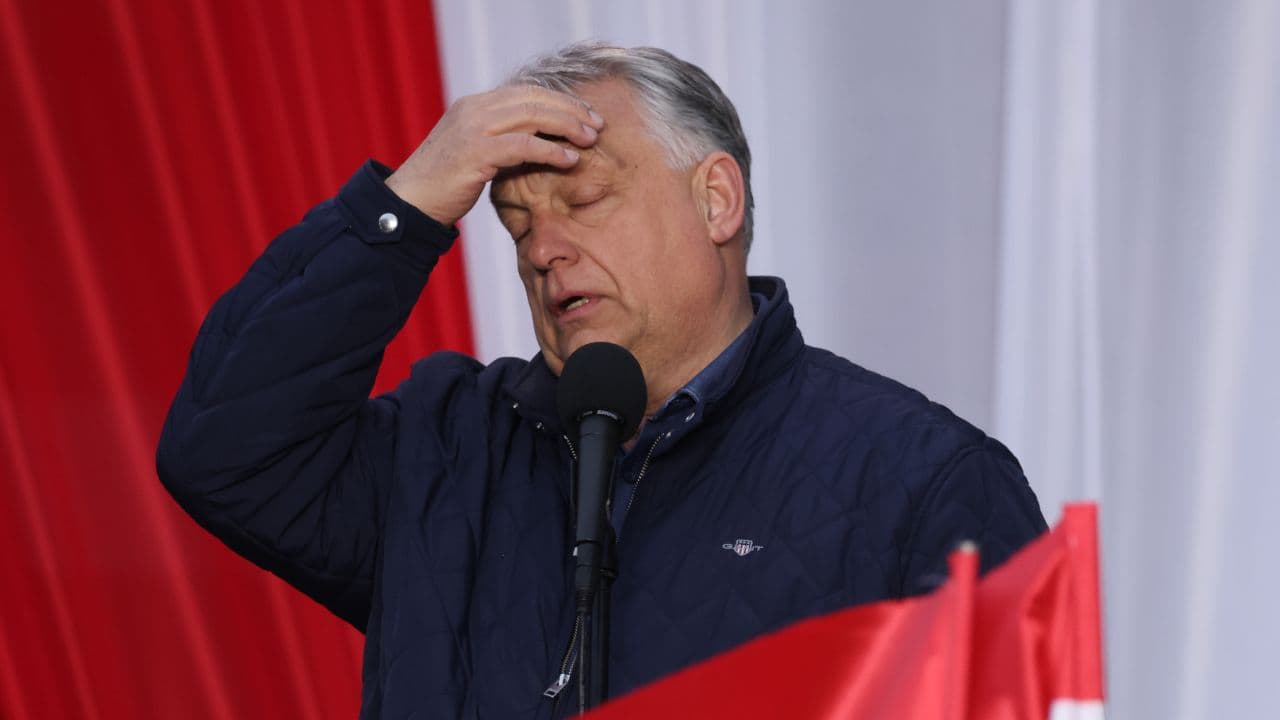
Hungarian police have opened a money-laundering and misappropriation probe into companies tied to Gyula Balasy, one of the central operators in Viktor Orban’s media and campaign machine. The investigation lands at the intersection of anti-corruption politics and intra-system pressure, because Balasy’s firms helped build the state-backed communications network that carried Fidesz’s anti-immigration and anti-Ukraine messaging for years.
Police said on May 6, 2026 that funds had been seized and accounts frozen as part of the case. Balasy said several of his companies’ accounts were frozen last Monday, although he did not identify which authority acted. He also said he had offered to hand over the group of companies he had built over 22 years, along with some investments, to the Hungarian state. Balasy denied wrongdoing and said he had nothing to hide.
The political stakes are immediate. Peter Magyar’s Tisza party won a landslide election in April and is due to take office on May 9, 2026, after 16 years of Orban in power. Tisza’s February manifesto promised to clamp down on corruption, seek the release of suspended European Union funds, and redirect recovered money toward health care, transport, education and business support. If the Balasy case is pursued aggressively, it could become an early test of whether Hungary’s new leadership intends to dismantle the patronage system that tied public spending to political loyalty.
Balasy’s role in that system was not marginal. His firms won lucrative government contracts and helped design the campaigns that shaped public debate under Orban, including anti-immigration messaging and the anti-Ukraine election campaign. Mark Radnai of Tisza described Balasy as the man known as Fidesz’s billboard maker who dominated the state communication market. That language reflects the scale of his influence, and the vulnerability of a media ecosystem built on state advertising and government contracts rather than open competition.
That ecosystem was centralized after the National Communications Office was created in late 2014 and began channeling state communication and event-management work from 2015 onward. A February 2024 compilation cited by bne IntelliNews said Hungary spent HUF 1.3 trillion, about €3.5 billion, on communications between 2015 and 2023, and roughly 75 percent went to two companies owned by Balasy. The same compilation said NKOH communication contracts peaked at HUF 335 billion in 2021.
The case also reaches into the broader corruption architecture around Orban’s government. The U.S. Treasury sanctioned Antal Rogan on January 7, 2025, saying he controlled the National Communications Office and other government entities and used his position to enrich himself and loyalists. Treasury said public-sector corruption in Hungary had worsened for more than a decade and linked the problem to EU funding suspensions over rule-of-law and procurement concerns.
Police are also pursuing a separate investigation into potentially overpriced contracts involving the same group of companies. Whether the Balasy probe proves to be a genuine clean-up effort or a factional break inside the pro-government media system, it already exposes how tightly power, public money and press influence were bound together in Orban’s Hungary.
This article was produced by Prism’s automated news system from verified source data, official records, and press releases, then run through automated quality and moderation checks before publishing. The system is built and supervised by the people who set the standards it runs under. Read our full AI policy.
Did this article answer your question?

