White House Shares AI Cinco de Mayo Image, Sparking Backlash
A White House Cinco de Mayo image of Jeffries and Schumer in sombreros triggered new backlash, reviving outrage over a similar AI deepfake from September.
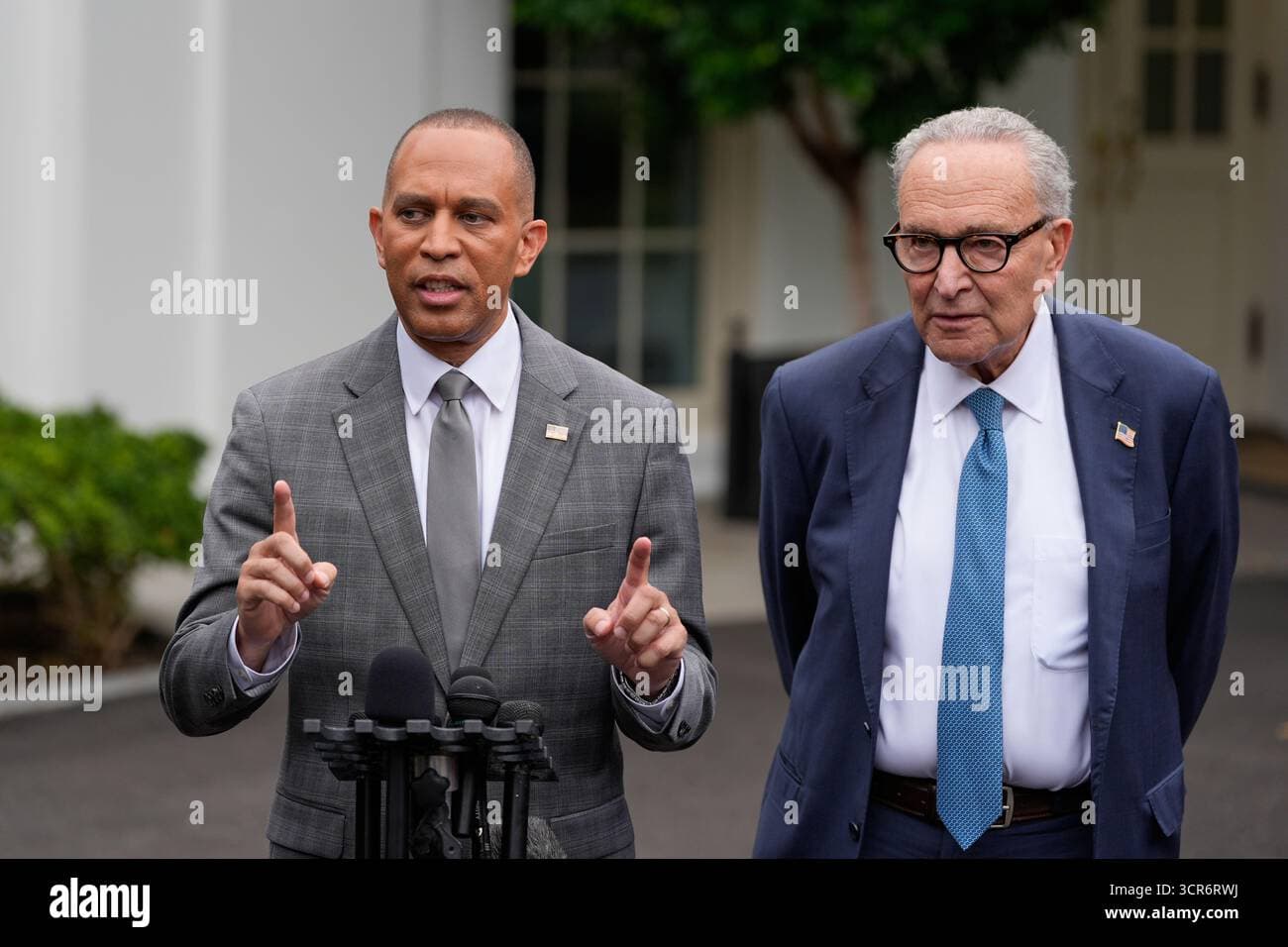
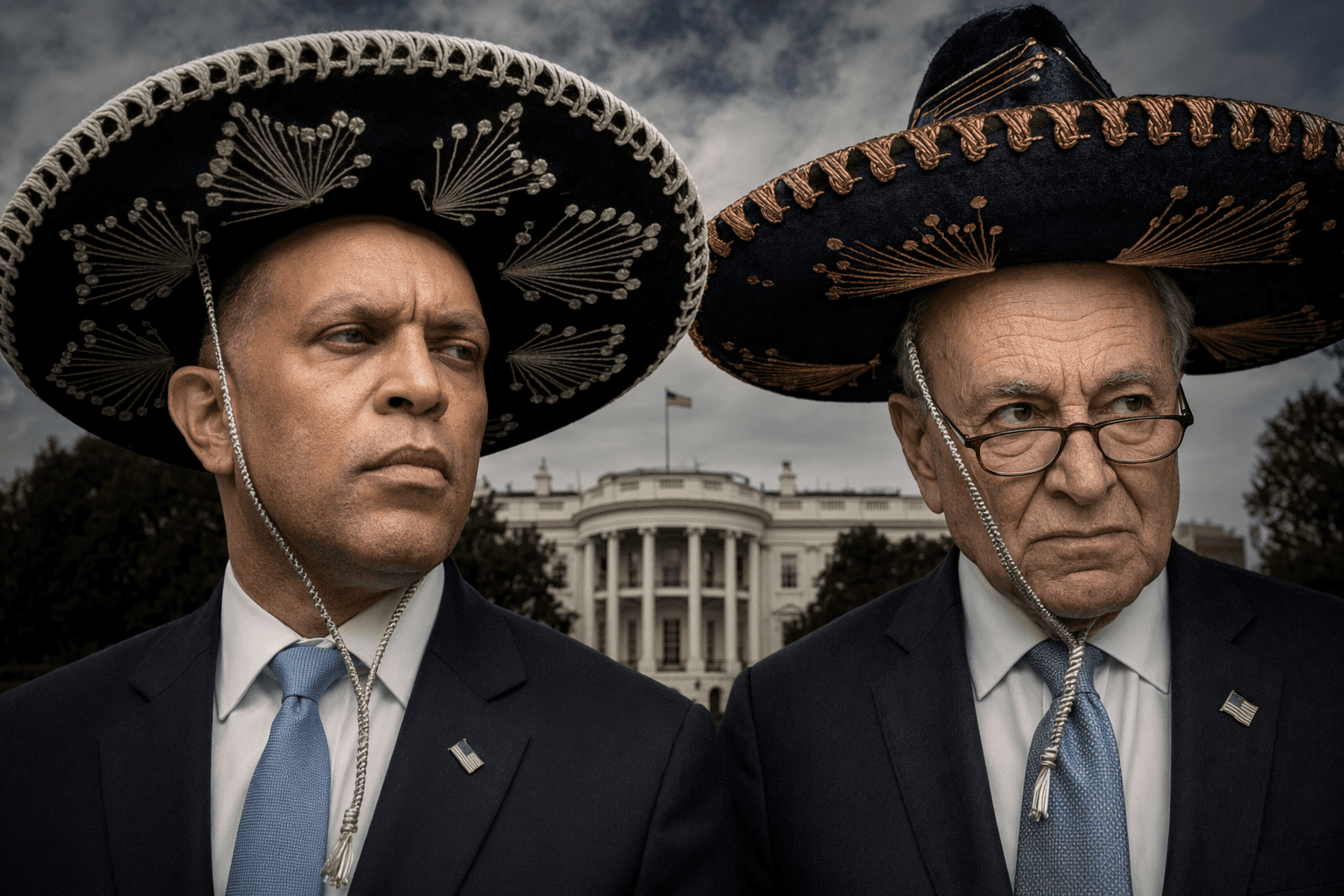
The White House set off a fresh political fight on May 5 by sharing an AI-generated Cinco de Mayo image of House Minority Leader Hakeem Jeffries and Senate Democratic Leader Chuck Schumer in sombreros, with a caption that mocked Democrats on immigration. The post, which also depicted the two New Yorkers with margaritas and a sign reading, “I love illegal immigrants,” drew immediate backlash and quickly prompted a counterstrike from Schumer that used a meme of Donald Trump and Jeffrey Epstein.
The image revived memories of a nearly identical episode in late September 2025, when Trump posted an AI-generated deepfake video on Truth Social showing Jeffries in a sombrero and handlebar mustache beside Schumer. That clip, released amid a looming federal shutdown fight, tied Democrats to immigration and health care claims that were not real. Jeffries called it “racist and fake” and later challenged Trump to “say it to my face.” Schumer also denounced the parody as unserious and inflammatory.
The timing sharpened the impact of both posts. In September, Democrats and Republicans were deadlocked over a funding deal and health care policy disputes as a shutdown approached. By Cinco de Mayo 2026, the old imagery of sombreros and fabricated political messaging had become a recurring weapon in a broader fight over immigration, race and the tone of national politics on Capitol Hill.
Latino and immigrant-advocacy critics again objected to the use of Mexican imagery to attack Democrats, saying the joke relied on stereotypes rather than policy debate. Vice President JD Vance defended the earlier version as humor and dismissed the criticism as overblown, a response that helped turn the original episode into a larger test of how far the White House and its allies were willing to push AI-generated mockery.
For Jeffries and Schumer, the new White House post landed as another example of how artificial images are being used to inflame partisan conflict. Instead of cooling tensions after the first uproar, the return to the same visual gag suggested the tactic had become part of the political playbook, with immigration, race and digital deception folded into a single message aimed squarely at Democrats.
This article was produced by Prism’s automated news system from verified source data, official records, and press releases, then run through automated quality and moderation checks before publishing. The system is built and supervised by the people who set the standards it runs under. Read our full AI policy.
Did this article answer your question?

