Hungary to Ramp Oil Deliveries to Serbia after U.S. Sanctions
Hungary said it would increase crude and fuel shipments to Serbia to plug supply gaps created by U.S. sanctions on regional oil flows, a move intended to avert a refinery shutdown and stabilize local fuel markets. The development highlights how sanctions aimed at Russian energy assets are reshaping regional supply chains and prompting government intervention in energy logistics.
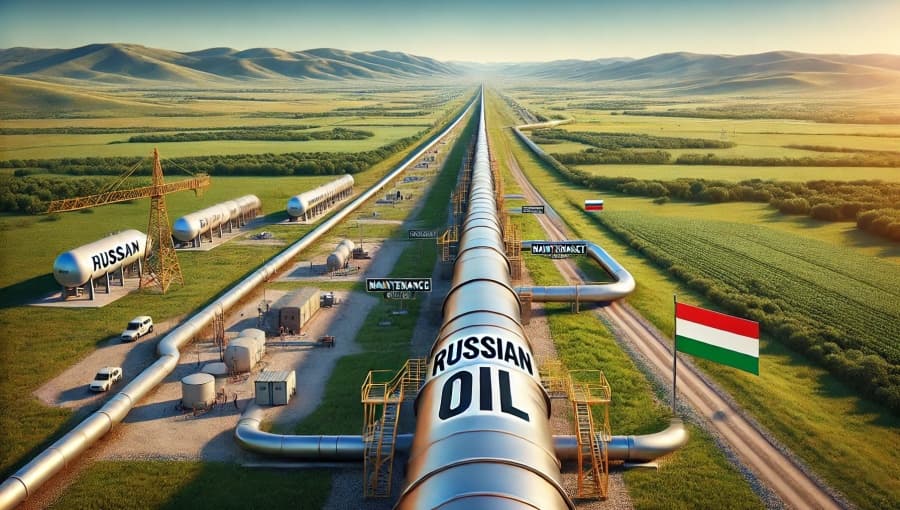
Hungary’s government said on November 26 that MOL would increase crude and fuel deliveries to Serbia after U.S. sanctions reduced supplies to Serbia’s NIS refinery, which is owned by Russia. Officials said Hungary had already doubled shipments in November and planned further increases in December to prevent a shutdown at the refinery in Pančevo, a facility central to Serbia’s domestic fuel production.
The intervention comes after U.S. Treasury measures that targeted pipelines and other regional infrastructure used to move Russian oil. Those measures cut volumes reaching the Balkans and exposed the vulnerability of countries that had relied on Russian owned refining assets and pipeline networks. Serbia’s NIS, long integrated into regional flows, faced dwindling feedstock inflows and the risk of curtailing production of gasoline and diesel, prompting immediate government to government engagement.
From a market perspective the Hungarian response is aimed at a narrow but critical policy objective. Preventing a refinery shutdown reduces the likelihood of immediate retail fuel shortages and price spikes in Serbia. Local retail fuel shortages would have ripple effects across the Western Balkans where cross border trade in refined products is common. By stepping in, Hungary is effectively using its refining and logistics capacity to absorb a supply shock, preserving downstream distribution and protecting inventories that underpin transportation and industry.

The move also reflects the growing role of national champions in managing energy stress. MOL, Hungary’s integrated oil and gas company, operates refining and storage infrastructure that can be redeployed to serve neighboring markets. That capacity is becoming a strategic asset as sanctions alter traditional trade corridors. Shipping more crude and refined product to Serbia will require logistical adjustments, including additional rail and tanker truck movements and potential use of alternative pipeline segments, all of which raise costs and transit times compared with prior flows.
Policy implications extend beyond immediate logistics. Sanctions on Russian linked pipelines are fulfilling a geopolitical objective by constraining revenues and access, yet they are also forcing closer cooperation among EU and regional states to keep markets functioning. Hungary’s action highlights a divergence in how European governments respond to energy disruptions, with some choosing to support vulnerable neighbors through state coordinated commercial responses.
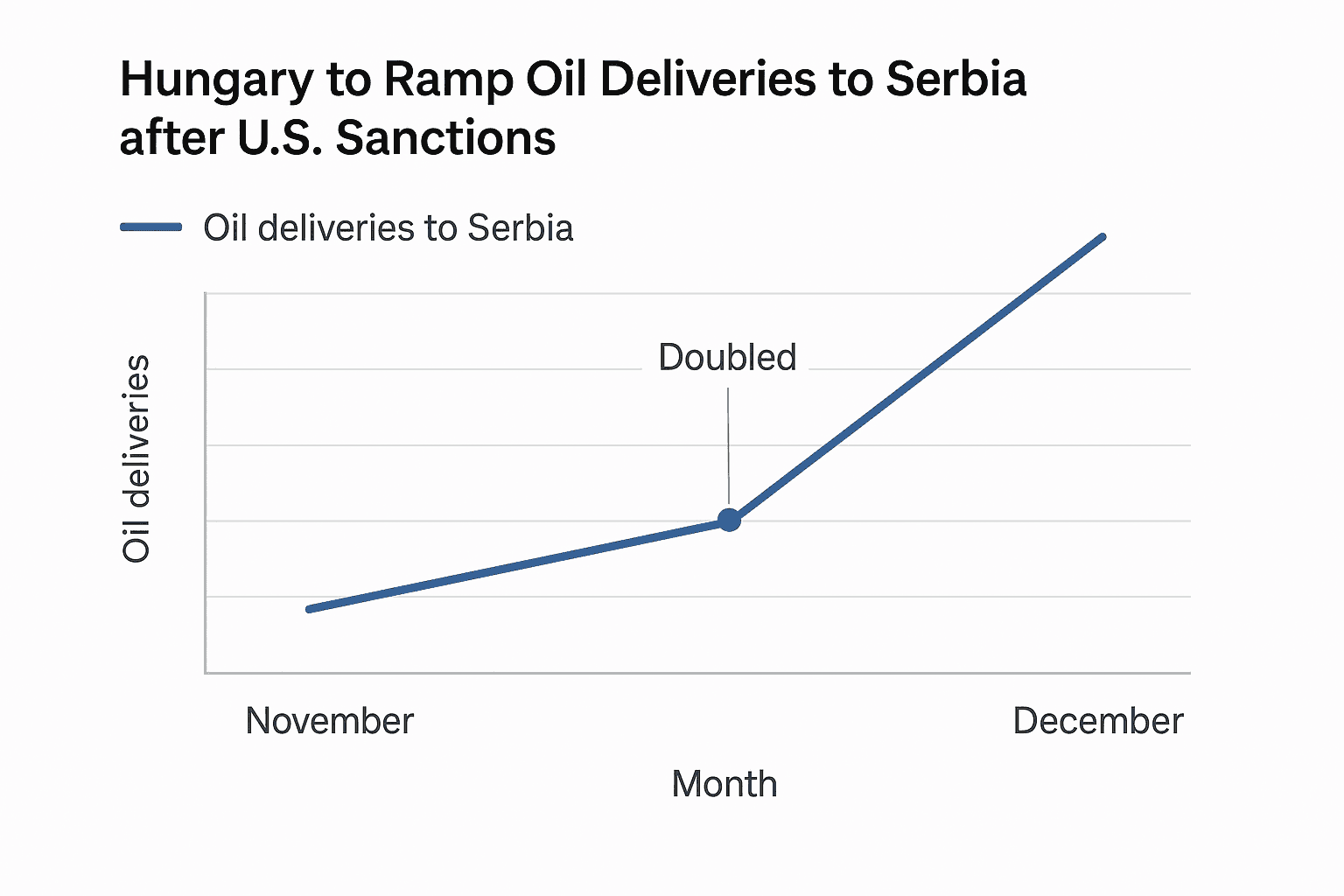
Longer term the episode underscores structural change in European energy supply chains. As sanctions persist, trading patterns will be rerouted, refining and storage assets will be reprioritized, and countries reliant on a single supplier will press for diversification and additional strategic stocks. For Serbia the short term outcome is stabilization of refining output. For the region the broader test will be whether temporary rerouting evolves into more resilient cross border arrangements or entrenched, costlier substitutes that reshape energy economics for years to come.
This article was produced by Prism’s automated news system from verified source data, official records, and press releases, then run through automated quality and moderation checks before publishing. The system is built and supervised by the people who set the standards it runs under. Read our full AI policy.
Did this article answer your question?