Hungary’s election tests Orbán, and Trump’s influence in Europe
By 1 p.m., turnout hit 54 percent, yet Orbán’s camp and the opposition were already trading fraud claims in Hungary’s most competitive vote in years.

Hungary’s election turned into a referendum on whether Viktor Orbán still could dominate a system built on his advantage, or whether Péter Magyar and his Tisza Party had finally forced a real contest. By midday, 54 percent of registered voters had cast ballots, far above the 40 percent seen at the same hour in 2022 and the highest early turnout in Hungary’s post-communist history. Even with that surge, both camps were already accusing each other of fraud, sharpening fears that the dispute over legitimacy would outlast the vote itself.
The stakes reached far beyond Budapest. Orbán, Hungary’s longest-serving head of government after 16 years in power, has repeatedly used his veto power to slow or reshape European Union decisions on Ukraine, and nearly 20 billion euros in EU funds remain frozen in disputes with his government. Analysts said the outcome could affect EU cohesion and the broader balance between Russia and the West in Central Europe. The campaign also carried a transatlantic edge: U.S. Vice President JD Vance traveled to Budapest in open support of Orbán, underscoring how closely the contest was tied to President Donald Trump’s circle of allies in Europe.
The biggest allegation of the campaign came from the documentary The Price of a Vote, which aired March 26 and described vote-buying and pressure on rural voters in favor of Fidesz. Mihály Gér, a local official, said some people in his area were offered up to 30,000 forint, about 80 euros, to vote for Fidesz. Businessman György Wáberer then offered a 300,000-forint reward for information uncovering electoral fraud. The documentary’s backers said they had organized a 2,400-person observer network in more than 100 locations across Hungary and planned to livestream fraud allegations on YouTube.
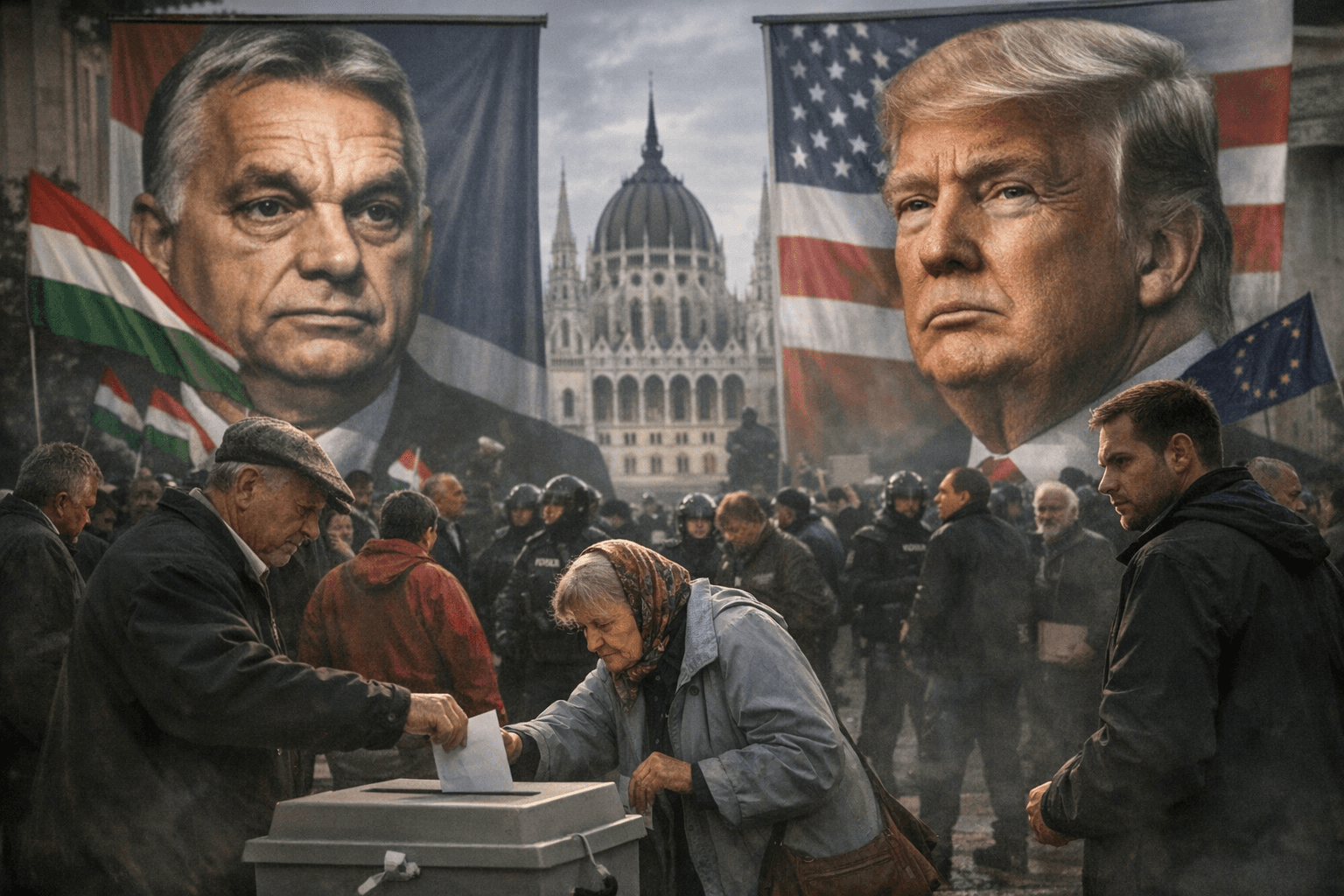
The scramble over monitoring showed how little trust remained in the process. Hundreds of international observers were in Budapest, but Orbán’s allies also brought their own parallel presence, including around 100 observers tied to Orbán-aligned groups and a dozen lawmakers from the Patriots for Europe group. The government has dismissed the OSCE as politicized, while civil society groups warned that rival observer missions could become part of a propaganda war after polls close.
Tisza set up its own system for reporting fraud, and Fidesz opened a hotline and a dedicated email address for complaints, a sign that both sides expected a fight over the result as much as over the votes. With independent polls showing Magyar close enough to threaten Orbán’s grip, the central question was whether Hungary was choosing between competing visions of government or merely staging the appearance of competition on terrain tilted long before the first ballot was cast.
This article was produced by Prism’s automated news system from verified source data, official records, and press releases, then run through automated quality and moderation checks before publishing. The system is built and supervised by the people who set the standards it runs under. Read our full AI policy.
Did this article answer your question?


