Iraq elects Kurdish president after months of political deadlock
Iraq’s parliament chose Nizar Amidi in a runoff, ending a months-long stalemate as war with Iran and Kurdish rifts sharpen pressure on Baghdad.
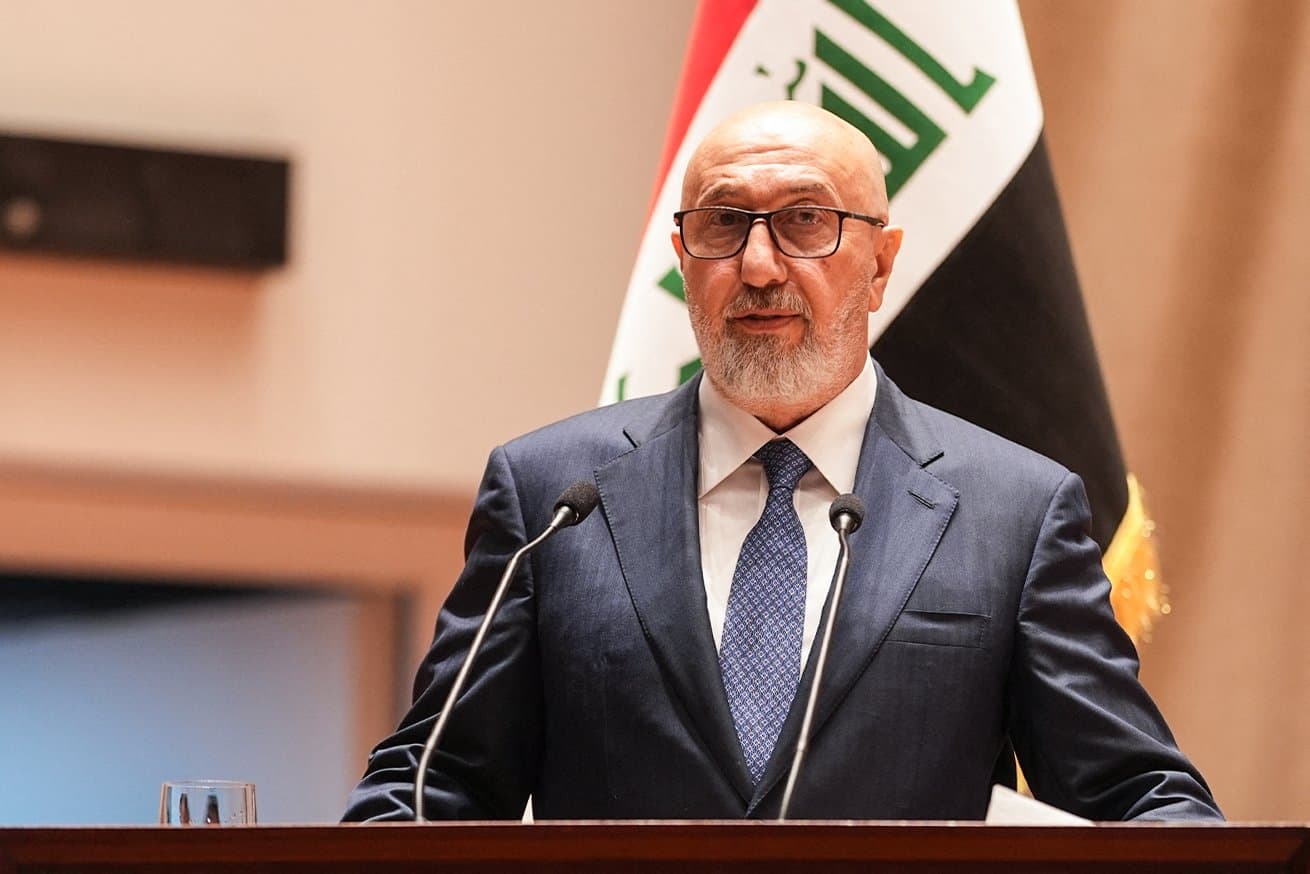
Iraq’s parliament broke a five-month political deadlock by electing Kurdish politician Nizar Amidi as president, a move that may restart government formation even as the country remains exposed to regional violence, fractured Kurdish politics and a fragile oil economy.
Amidi prevailed in a second-round vote after no candidate reached the required two-thirds majority in the first round. He led the opening ballot with 208 votes and then defeated Muthanna Amin Nader in the runoff, with some accounts saying Amidi secured 227 votes. The contest also included Foreign Minister Fuad Hussein, underscoring how much the presidency had become a test of competing Kurdish and national power centers rather than a routine formal choice.
The vote came more than two months after the constitutional deadline for selecting a president and five months after parliamentary elections failed to produce a bloc with a decisive majority. That delay mattered because Iraq’s president has 15 days to ask the nominee of the largest parliamentary bloc to form a government and take the office of prime minister. In practice, the presidency is largely ceremonial, but it still controls the first move in the bargaining that decides who governs Iraq.
Amidi’s election also fit Iraq’s long-standing power-sharing formula: the president is Kurdish, the prime minister is Shiite and the parliamentary speaker is Sunni. Yet the session exposed how brittle that arrangement remains. The Kurdistan Democratic Party boycotted the vote, highlighting deep splits within Kurdish politics even as a Kurdish candidate finally won the post. Amidi, also identified in some reports as Nizar Mohammed Saeed Amidi, is described as a member of the Patriotic Union of Kurdistan, a former environment minister and the head of the party’s political office in Baghdad since 2024.
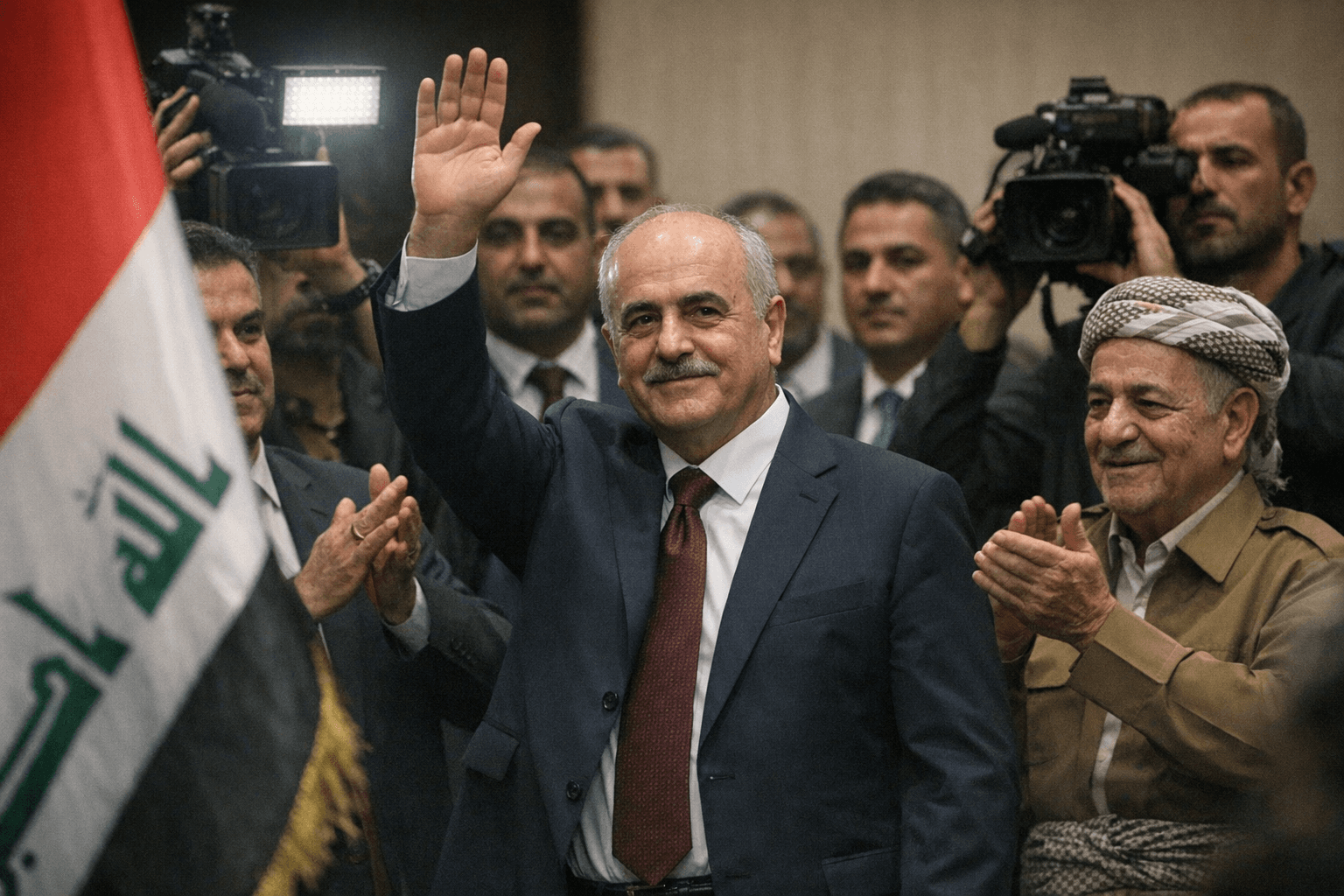
The presidency vote carried extra weight because Iraq is still being pulled into the wider confrontation between Iran and the U.S.-Israeli side. Iran-backed militias have struck U.S. bases, diplomatic facilities and energy infrastructure, while U.S. and Israeli airstrikes have hit militia targets in response. The fighting and Iran’s closure of the Strait of Hormuz have disrupted Iraqi oil exports, a central pillar of the country’s finances. Iraq depends on oil revenues for roughly 90% of its budget, and reporting has shown southern production falling sharply during the conflict, with imports into Iraqi ports also cut.
That is why the election matters beyond Baghdad. It may have ended the immediate paralysis, but it does not resolve the larger struggle over who will shape the next government, how Iraq will balance Kurdish and Arab interests, or whether a country tied so tightly to one export route can stay insulated from a widening regional war.
This article was produced by Prism’s automated news system from verified source data, official records, and press releases, then run through automated quality and moderation checks before publishing. The system is built and supervised by the people who set the standards it runs under. Read our full AI policy.
Did this article answer your question?


