Iran Resists Reopening Hormuz Until Final Peace Deal Settled
Iran tied reopening Hormuz to a final peace deal, while talks bogged down over 900 pounds of highly enriched uranium and $27 billion in frozen funds.
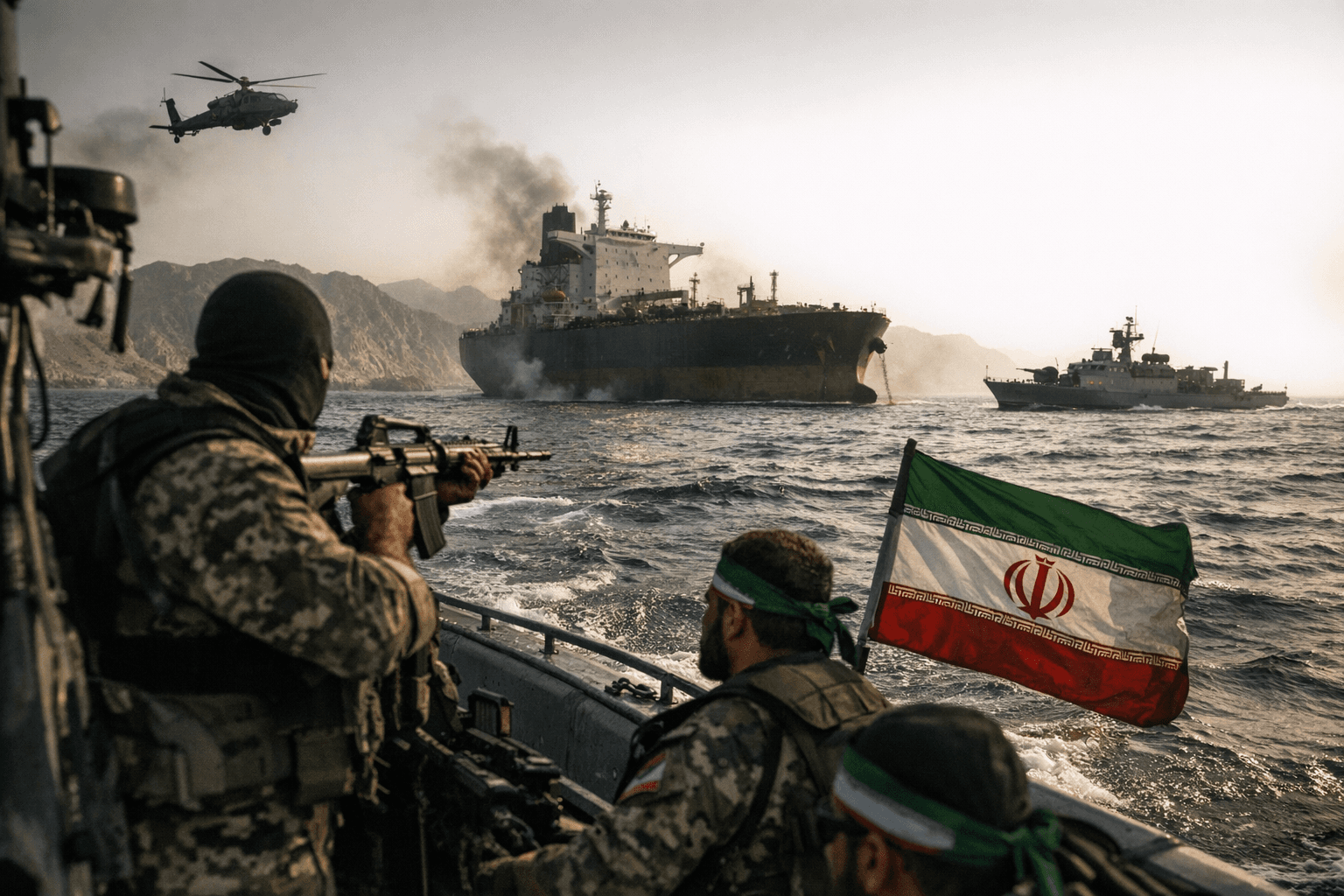
The Strait of Hormuz sat at the center of a high-stakes bargain that linked tankers, oil prices and nuclear leverage. Iran refused to reopen the passage to all maritime traffic until a final peace deal was settled, even as the United States demanded immediate access through the world’s most important energy chokepoint.
The fight mattered far beyond diplomacy. The U.S. Energy Information Administration said flows through Hormuz averaged about 20 million barrels a day in 2024, roughly one-fifth of global petroleum liquids consumption. About one-fifth of global LNG trade also moved through the strait, making the waterway a pressure point for energy markets, shipping costs and supply security.
By early Sunday, three issues still blocked a deal: the strait, the fate of nearly 900 pounds of highly enriched uranium and Iran’s demand for about $27 billion in frozen revenues. The talks lasted 21 hours and ended without a permanent ceasefire or agreement. Vice President JD Vance said the U.S. had made its “final best offer.”
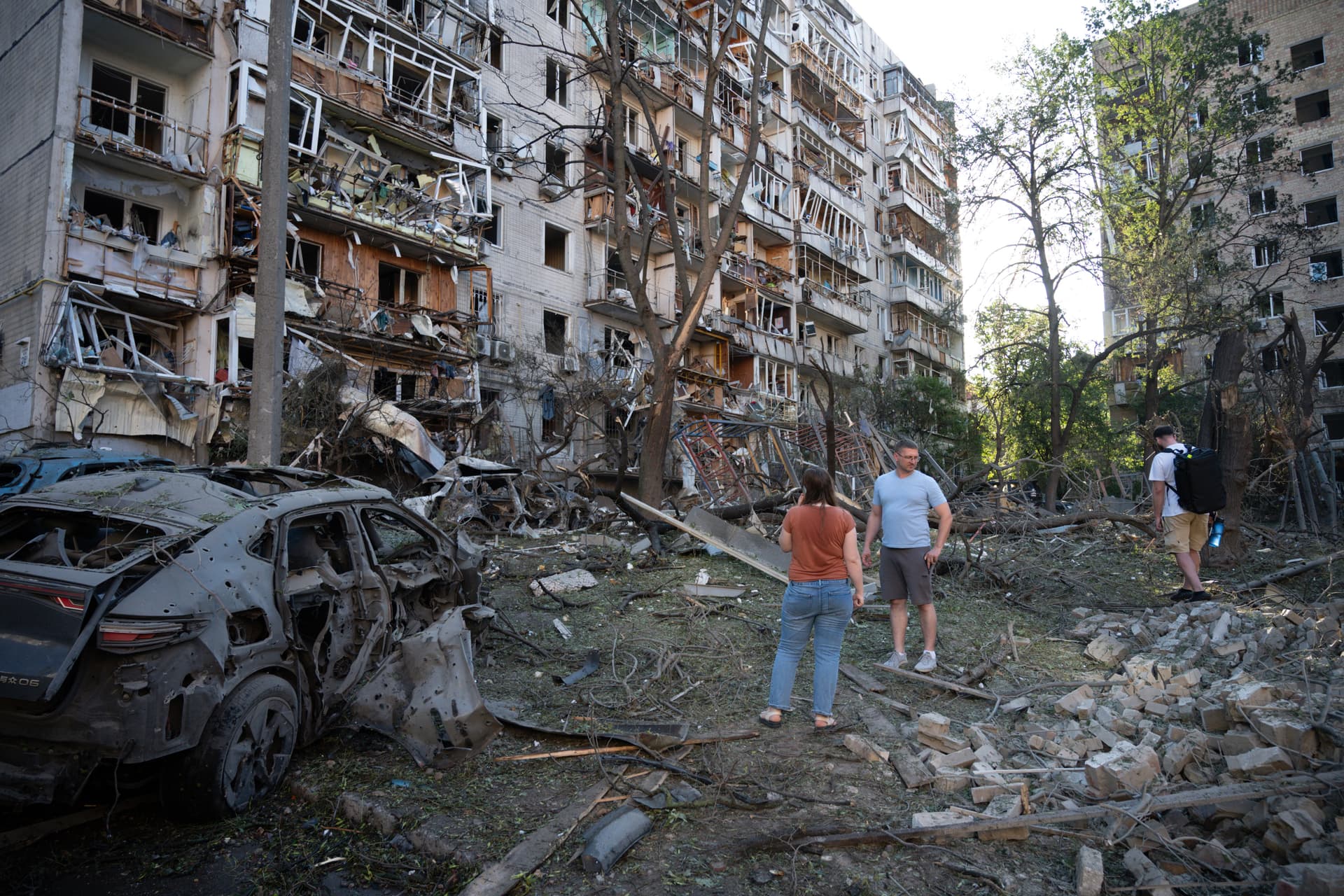
Iran also pressed for reparations for six weeks of airstrikes and for frozen oil revenues held in Iraq, Luxembourg, Bahrain, Japan, Qatar, Turkey and Germany to be released for reconstruction. The United States rejected those requests, and a U.S. official denied that Washington had agreed to unfreeze funds.
The asset dispute became intertwined with access through Hormuz. A senior Iranian source said the U.S. had agreed to release Iranian frozen assets held in Qatar and other foreign banks, while a second Iranian source put the amount at $6 billion. That money had originally been frozen in 2018, was supposed to be released in 2023 during a prisoner swap and was frozen again after the October 7, 2023 Hamas attacks.
Traffic through the waterway was already badly disrupted. Bloomberg reported that only seven vessels, all linked to Iran or carrying Iranian cargo, were seen leaving the Persian Gulf during the relevant period, far below a normal pace of about 135 vessels a day. The numbers underscored how much leverage Iran still held over the route that connects Gulf producers to Asia and Europe.
The nuclear question was just as unresolved. The International Atomic Energy Agency said inspectors last verified Iran’s stockpile of more than 400 kilograms of highly enriched uranium days before the military conflict began. In its February 27, 2026 safeguards report, the agency said Iran’s total enriched uranium stockpile stood at 9,874.9 kilograms as of June 13, 2025, and that verification stopped when military attacks began that day. All inspectors were withdrawn by the end of June, leaving the agency unable to verify the stockpile after the strikes.
For negotiators, the talks showed both momentum and distance: the fact that Washington and Tehran were still talking mattered, but the standoff over Hormuz, uranium and frozen cash made clear how much was still separating immediate economic security from longer-term nonproliferation goals.
This article was produced by Prism’s automated news system from verified source data, official records, and press releases, then run through automated quality and moderation checks before publishing. The system is built and supervised by the people who set the standards it runs under. Read our full AI policy.
Did this article answer your question?